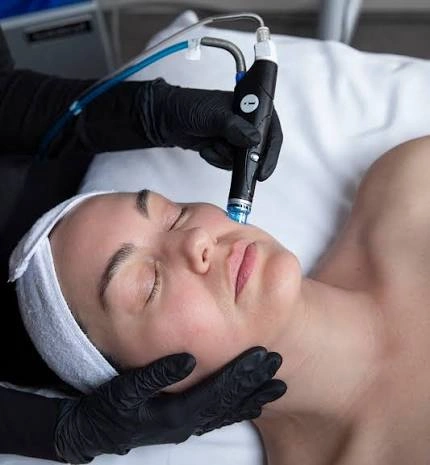
Oily skin can be difficult to manage because excess sebum often leaves the face looking shiny, congested, and uneven. When oil combines with dead skin cells and surface impurities, pores may appear more noticeable and the complexion can lose its fresh appearance. This is why many people with oily skin consider professional facial treatments as part of their skincare routine. For those exploring Facial Treatment In Abu Dhabi, understanding how these treatments can work with oily skin is important before choosing an approach.
Facial treatments are designed to cleanse, refresh, exfoliate, and improve the overall appearance of the skin. Depending on the selected treatment, they may help remove accumulated impurities, refine the appearance of pores, support smoother texture, and create a more balanced-looking complexion. However, not every facial is designed for the same skin type, so treatment selection should be based on individual skin characteristics and concerns.
Why Does Oily Skin Need Specialized Care?
Oily skin produces more sebum than other skin types. Sebum is a natural substance that helps maintain the skin barrier, but excessive production can contribute to a greasy appearance and make the skin feel heavier or congested.
Regular cleansing alone may not always address accumulated surface buildup. Dead skin cells, environmental impurities, and excess oil can remain within or around pores, affecting the way the skin looks and feels. Professional facial treatments can provide a more targeted approach by combining cleansing and exfoliation techniques suited to the individual’s skin condition.
The goal is not necessarily to remove all oil from the skin. Instead, effective facial care focuses on creating a cleaner, smoother, and more balanced appearance while maintaining the skin’s natural moisture barrier.
How Can Facial Treatments Help Oily Skin?
A professionally selected facial treatment can address several concerns commonly associated with oily skin. Deep cleansing may help remove surface impurities and excess sebum, while exfoliation can help clear away accumulated dead skin cells.
This combination can make the complexion appear fresher and smoother. When surface buildup is reduced, pores may also look less prominent, and skincare products can spread more evenly across the skin.
For individuals considering Facial Treatment In Abu Dhabi, treatment selection can be tailored according to factors such as oil production, pore appearance, skin texture, pigmentation concerns, and the overall condition of the complexion.
Can Facial Treatments Improve the Appearance of Large Pores?
Pores are a common concern among people with oily skin. Increased oil production can make pores appear more visible, particularly around the nose, cheeks, and forehead.
Certain facial treatments focus on deep cleansing and gentle exfoliation, which can help remove buildup surrounding pores. As the skin becomes cleaner and smoother, pores may appear more refined.
It is important to understand that facial treatments do not permanently eliminate pores. Instead, they can improve the way pores appear by supporting cleaner, smoother-looking skin.
Are Facials Suitable for Oily and Acne-Prone Skin?
Oily skin and blemish-prone skin often occur together because excess sebum and accumulated skin cells can contribute to congested pores. Facial treatments may be selected to focus on cleansing and exfoliation when these concerns are present.
A suitable treatment can help refresh the surface of the skin and remove impurities that contribute to a congested appearance. However, facial treatments should be chosen according to the individual’s current skin condition rather than simply selecting the strongest available option.
Skin assessment is therefore an important part of determining whether a particular facial is appropriate.
Can Facial Treatments Help With Uneven Skin Texture?
Uneven texture can make oily skin appear rough or less refined. Accumulated dead skin cells may contribute to this appearance, especially when combined with excess sebum.
Exfoliating facial treatments can help remove surface buildup and encourage a smoother-looking complexion. After treatment, the skin may feel softer and appear more polished.
For people interested in Facial Treatment In Abu Dhabi, the type of exfoliation used should correspond with the skin’s needs. Gentle and controlled approaches may be preferred when the goal is to improve texture while maintaining overall skin balance.
How Do Facials Support a Fresher-Looking Complexion?
Oily skin can sometimes appear tired despite producing excess oil. This happens because shine, clogged-looking pores, uneven texture, and accumulated surface debris can affect the overall appearance of the complexion.
A facial treatment can combine cleansing, exfoliation, and hydration-focused techniques to create a fresher appearance. Removing surface buildup can help the skin look clearer, while appropriate hydration can contribute to a smoother and healthier-looking finish.
The result is not simply about reducing shine. The broader goal is to create a complexion that looks clean, balanced, smooth, and refreshed.
What Types of Facial Approaches May Suit Oily Skin?
The ideal facial approach depends on the individual’s skin characteristics. Deep-cleansing facials may be considered when excess oil and surface impurities are the primary concerns. Exfoliating treatments may be useful when dead skin buildup and uneven texture are more noticeable.
Some facial approaches combine cleansing with specialized exfoliation or hydration techniques. These combinations can be selected according to the desired skin goals.
Rather than assuming that every oily skin type requires the same treatment, professional evaluation helps determine which approach is most appropriate.
Why Is Skin Assessment Important Before a Facial?
Oily skin does not always have the same characteristics from person to person. Some individuals may have primarily oily skin, while others may experience combination skin, visible congestion, uneven texture, or sensitivity alongside excess oil.
A skin assessment allows treatment selection to be based on the current condition of the complexion. It can also help determine which areas require more attention and which treatment techniques are most suitable.
This personalized approach can make facial care more targeted and relevant to the individual’s skincare goals.
How Often Should Oily Skin Receive Facial Treatments?
The ideal treatment frequency depends on the type of facial, the person’s skin condition, and their overall skincare routine. Oily skin does not automatically mean that more frequent treatments are better.
A balanced schedule can allow the skin to benefit from professional cleansing and exfoliation while maintaining a consistent skincare routine between appointments. The appropriate frequency should be determined according to the individual’s skin response and treatment objectives.
Consistency is generally more important than choosing treatments too frequently.
Can Facial Treatments Make Oily Skin Look More Balanced?
Facial treatments can support a more balanced-looking complexion by addressing excess surface oil, dead skin cells, and impurities. The objective is not to remove the skin’s natural oils completely because sebum has an important role in maintaining the skin barrier.
Instead, treatment should focus on improving the appearance and feel of the skin while preserving its natural balance. With an appropriate facial approach, oily skin can appear cleaner, smoother, and more refreshed.
Is Facial Treatment In Abu Dhabi Ideal for Every Oily Skin Type?
Facial Treatment In Abu Dhabi can be suitable for many people with oily skin, but the ideal treatment depends on individual needs. Someone primarily concerned with excess shine may require a different approach from someone dealing with visible pores, uneven texture, or congestion.
The most appropriate treatment is therefore determined by skin characteristics rather than simply by skin type. A personalized facial plan can focus on the concerns that are most visible and relevant to the individual.
What Should You Expect From a Professional Facial?
A professional facial generally begins with an assessment of the skin and its current condition. Cleansing is then used to remove surface impurities before the selected treatment techniques are applied.
Depending on the facial, exfoliation and other specialized steps may be included. The treatment is typically designed around specific goals such as improving texture, refreshing the complexion, refining the appearance of pores, or supporting hydration.
After the session, the skin may have a cleaner and more polished appearance. Maintaining a consistent skincare routine can help support the results of professional facial care.
Final Thoughts
Oily skin can benefit from targeted professional skincare when the treatment is selected according to individual needs. Facial treatments may help address concerns such as excess surface oil, visible pores, uneven texture, and a dull-looking complexion.
For those considering Facial Treatment In Abu Dhabi, the key is choosing an approach that matches the skin’s condition rather than assuming that every facial provides the same benefits. With personalized treatment selection and consistent skincare, oily skin can look cleaner, smoother, fresher, and more balanced.
FAQs
Is Facial Treatment In Abu Dhabi good for oily skin?
Yes, an appropriately selected facial treatment can be suitable for oily skin. Treatments may focus on cleansing, exfoliation, pore refinement, and improving the overall appearance of the complexion.
Can a facial reduce excess oil?
Facial treatments can help remove excess surface oil and impurities, creating a cleaner and more balanced-looking appearance. The goal is not to eliminate natural sebum completely.
Can facials help with visible pores?
Certain facial treatments can improve the appearance of pores by removing surface buildup and supporting smoother skin. Pores themselves cannot be permanently removed.
Is facial treatment suitable for combination skin?
Facial treatments can be adapted for combination skin by focusing on different areas according to their individual characteristics. The treatment approach depends on the balance between oily and drier areas.
How does exfoliation benefit oily skin?
Exfoliation removes accumulated dead skin cells from the surface. This can help create a smoother-looking complexion and reduce the appearance of surface buildup associated with oily skin.
Can facial treatments improve skin texture?
Yes, appropriate cleansing and exfoliation techniques can help improve the appearance of uneven texture by removing surface buildup and leaving the skin looking smoother.
How should a facial be selected for oily skin?
The facial should be selected according to the individual’s oil production, pore appearance, texture, hydration level, and other visible skin concerns. A personalized assessment can help identify the most suitable approach.
Can oily skin still need hydration?
Yes. Oily skin can still require appropriate hydration. Maintaining moisture balance is different from adding excessive oil, and suitable facial care can address both hydration and excess surface sebum.
How often can oily skin receive facial treatments?
Treatment frequency varies according to the facial type and individual skin condition. A suitable schedule should be based on professional assessment and the person’s skincare goals.
What is the main benefit of facial treatment for oily skin?
The main benefit can be a cleaner, smoother, and more refreshed-looking complexion. Depending on the selected treatment, it may also help improve the appearance of pores, texture, and excess surface oil.