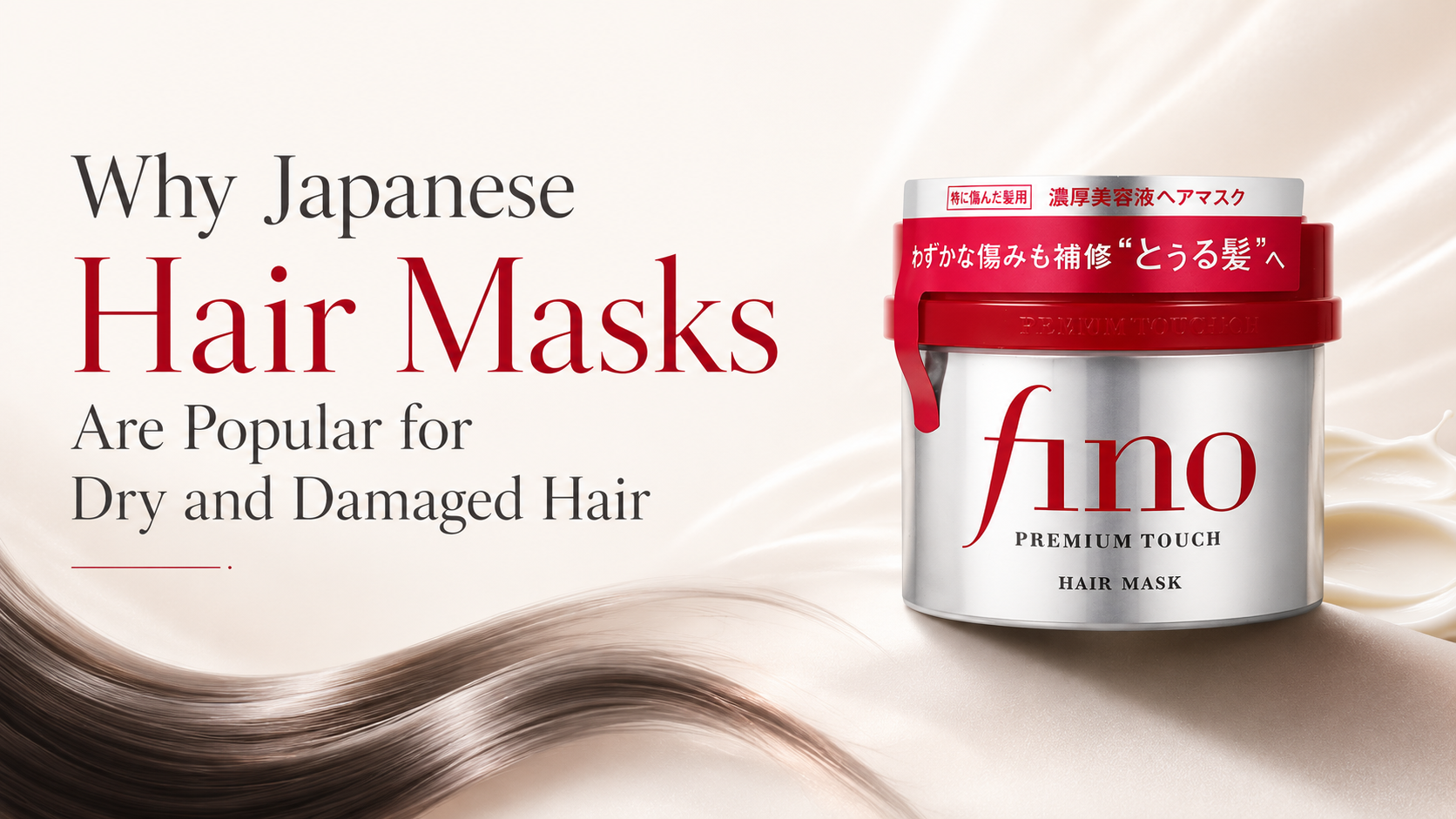
One product brought a noticeable change to my cousin’s dry and damaged hair. If you’re also tired of dealing with roughness, frizz and ends that never seem to cooperate, this post is for you.
My cousin in Lahore once told me she had spent more on hair products in one year than she had on her actual haircut. And she had every reason to be frustrated. Her wedding was only three weeks away, yet her hair was still dry, frizzy and breaking around the ends.
She had tried almost everything: branded shampoos, recommended hair oils, mousses, serums and different treatment products. She kept switching products every few weeks, hoping the next one would finally make a difference. But by the end of the day, her hair still felt rough and dry, especially during Lahore’s hot summer months. Then a friend suggested adding the Shiseido Fino Premium Touch Hair Mask to her hair-care routine.
The results weren’t overnight, but after using a hair mask consistently alongside a gentler routine, she noticed a difference in how her hair felt. It became softer, looked smoother and was much easier to manage.
Her experience isn’t unusual. Heat, dust, hard water, frequent washing and regular heat styling can all leave hair feeling dry, frizzy and damaged. This is one reason Japanese hair masks for dry hair have become increasingly popular among people looking for more intensive conditioning than their everyday conditioner provides.
But are Japanese hair masks for dry and frizzy hair actually worth the hype? And what makes them different from the treatments you may already have in your routine?
Let’s find out.
What Makes Japanese Hair Masks Different?
Regular conditioners are designed to smooth the hair, reduce tangling and make strands easier to manage after washing. Hair masks, on the other hand, are generally designed to provide more intensive conditioning and are usually left on the hair for longer.
Japanese hair repair treatments are particularly popular for formulas focused on softness, smoothness, shine and manageability. Depending on the specific product, Japanese hair-care formulas may include ingredients such as:
- Rice-derived ingredients: Used in some Japanese hair-care formulas for their conditioning properties and ability to support smoother-feeling hair.
- Camellia oil (tsubaki oil): A lightweight botanical oil traditionally associated with Japanese hair care and commonly used to improve softness and shine.
- Seaweed and botanical extracts: Included in some formulas to support conditioning and moisture retention.
- Keratin, proteins and amino acids: Often found in treatments designed for dry or damaged-looking hair to improve its feel and manageability.
Not every Japanese hair mask contains all of these ingredients. Formulas differ considerably between products, so it’s always worth checking the ingredient list and choosing a mask according to your hair type and concerns.
Ultimately, what makes a hair mask useful isn’t simply where it comes from. It’s the combination of its formula, ingredients, how you use it and whether it suits your particular hair needs.
The Real Benefits of Japanese Hair Masks
If you’ve never used a hair mask consistently, it can be easy to underestimate how much difference intensive conditioning can make. Here are some of the most practical benefits of Japanese hair masks for dry and damaged-looking hair.
Deeper Conditioning
Unlike a quick conditioner that may stay on the hair for only a short time, a mask is usually given more time to coat and condition the strands. For hair that regularly feels rough or dehydrated, this extra conditioning can leave it feeling softer and easier to manage.
Less Friction and Breakage
Dry, rough hair creates more friction when it rubs against other strands, clothing, towels or brushes. A conditioning mask can help smooth the surface of the hair, which may make detangling easier and reduce unnecessary pulling and snapping during brushing.
Smoother, Shinier Hair
Damaged and dehydrated hair often has a rougher surface, which can make it look dull. By conditioning and smoothing the strands, a good hair mask can help hair reflect light more evenly, giving it a healthier-looking shine.
Better Manageability for Frizzy Hair
Humidity, heat styling and environmental exposure can make already-dry hair even harder to control. This is one reason people frequently look for the best Japanese hair mask for frizzy hair. The goal isn’t simply temporary shine; it’s making dry strands feel smoother, softer and easier to style.
Support Against Everyday Stress
Sun exposure, pollution, regular heat styling and repeated washing can all affect the way hair feels over time. A consistent conditioning routine can help maintain softness and manageability between washes.
That’s one reason Japanese hair masks for dry hair have developed such a loyal following. They’re designed to provide a more intensive conditioning step for concerns that a basic shampoo-and-conditioner routine may not fully address.
How Hair Masks Help Damaged Hair
To understand why a hair mask can make such a noticeable difference, it helps to understand what happens when hair becomes damaged. The outer surface of the hair is protected by overlapping layers called the cuticle. Repeated heat styling, colouring, environmental exposure and physical friction can make this surface feel rougher.
As a result, damaged hair may become more prone to dryness, tangling, frizz and breakage. Hair masks work primarily by providing concentrated conditioning ingredients that help coat, soften and smooth the hair’s surface. Depending on the formulation, oils, proteins, amino acids and other conditioning ingredients can also help damaged hair feel softer and more manageable.
It’s important to remember that a cosmetic hair mask cannot permanently reverse every form of structural hair damage. What it can do is significantly improve the appearance, feel, softness and manageability of damaged-looking hair while helping you maintain a gentler hair-care routine.
How to Use Japanese Hair Masks
If you’re wondering about how to use Japanese hair masks or how often a mask should become part of your routine, the process is usually simple.
Japanese Hair Mask: How to Use
Follow these basic steps:
- Wash your hair first. Cleanse your scalp and hair with your regular shampoo.
- Remove excess water. Gently squeeze or blot out excess water so the mask doesn’t immediately slide off diluted hair.
- Apply from mid-lengths to ends. Concentrate the product on areas that tend to be driest or most damaged.
- Avoid the roots if necessary. If you have an oily scalp or very fine hair, keeping a rich mask away from the roots can help prevent heaviness.
- Leave it on according to the product instructions. Different formulations have different recommended application times.
- Rinse thoroughly. Make sure the product is properly rinsed out before drying or styling your hair.
Always follow the instructions provided on the specific product you’re using, as leave-on time and application recommendations can vary between formulas.
How Often to Use Japanese Hair Masks
There isn’t one perfect frequency that works for everyone. For noticeably dry or damaged hair, a mask may be incorporated once or several times per week depending on the formulation, your hair type and the manufacturer’s instructions. If your hair is only mildly dry, once a week may be enough.
Very fine or naturally oily hair may need less frequent use because rich masks can sometimes leave the strands feeling heavy when overused. The best approach is to start gradually, observe how your hair responds and adjust the frequency accordingly. Consistency matters more than simply using as much product as possible.
Mistakes to Avoid When Using a Japanese Hair Mask
Even the best Japanese hair masks won’t perform as expected if they’re used incorrectly.
Applying Too Much Product
More isn’t always better. Saturating your hair with a heavy layer of mask can make rinsing difficult and may leave fine hair feeling weighed down.
Applying a Rich Mask Directly to an Oily Scalp
Unless the product specifically recommends scalp application, concentrate richer treatments primarily on the mid-lengths and ends. These areas generally experience more dryness and visible damage.
Leaving the Mask On Longer Than Recommended
If the instructions recommend a certain application time, follow them. Leaving a product on much longer doesn’t automatically mean better results.
Expecting Permanent Repair After One Use
A hair mask can make the hair feel noticeably softer after washing, but maintaining damaged-looking hair usually requires consistency. Your shampoo, styling habits, heat exposure and overall routine still matter.
Continuing Excessive Heat Styling
Using an intensive conditioning mask while repeatedly exposing hair to very high heat can work against your routine. If you’re dealing with dryness or damage, reducing unnecessary heat and using suitable heat protection can help preserve the results of your conditioning routine.
Who Should Consider a Japanese Hair Mask?
Japanese hair masks can be particularly useful if your hair regularly feels:
- Dry or rough
- Frizzy
- Difficult to detangle
- Dull
- Damaged from colouring or bleaching
- Exposed to frequent heat styling
- Brittle around the ends
- Difficult to manage in humid weather
However, you don’t need severely damaged hair to use one.
If your regular conditioner isn’t providing enough softness or manageability, occasionally adding a more intensive treatment may also be useful.
Where to Buy Authentic Japanese Hair Masks in Pakistan
Finding the right mask is only part of the equation. You also want confidence in where the product you’re applying to your hair comes from. As Japanese and Korean beauty products have grown increasingly popular in Pakistan, shoppers have also become more cautious about authenticity, product storage and unknown online sellers.
Buying from an established beauty retailer can make the process easier, particularly when you’re investing in imported hair-care products. TheSkinFit offers international skincare, haircare, makeup and beauty products for customers in Pakistan, making it easier to explore Japanese and Korean beauty options from one place.
If your hair has been affected by heat styling, colouring, environmental exposure or ongoing dryness, a well-formulated hair mask can be a useful addition to your existing routine. Rather than constantly switching between products, focus on choosing a treatment that suits your hair type and using it consistently.
FAQs
Can Japanese Hair Masks Repair Hair That Is Already Damaged?
Hair masks can significantly improve how damaged hair looks and feels by conditioning and smoothing the strands. They can help with softness, manageability, frizz and the appearance of dry ends. However, severely damaged hair cannot always be permanently restored to its original condition with a cosmetic treatment alone. Prevention, gentle handling and regular conditioning are equally important.
How Long Does It Take to See Visible Results?
Some people notice softer or smoother-feeling hair after the first few applications, while concerns such as ongoing dryness and manageability may require a more consistent routine. Results depend on your hair type, level of damage, product formulation and styling habits.
Can I Use a Hair Mask Every Day?
Usually, that isn’t necessary. Rich treatments used too frequently may weigh down certain hair types, particularly fine or oily hair. Follow the manufacturer’s instructions and adjust the frequency according to how your hair responds.
Are Japanese Hair Masks Suitable for Colour-Treated Hair?
Many conditioning masks can be useful for hair that feels dry after colouring, but the suitability depends on the individual formula. If you have colour-treated hair, check the product instructions and ingredient information before adding it to your routine.
Do Japanese Hair Masks Help With Hair Growth?
Hair masks are primarily conditioning treatments rather than hair-growth treatments. However, keeping the lengths conditioned and reducing unnecessary friction and breakage can help you maintain the hair you already have more effectively.
How Do I Make Sure I’m Buying an Authentic Japanese Hair Mask in Pakistan?
Purchase from an established retailer instead of relying only on unusually low prices or unknown social-media sellers. Check the retailer’s reputation, product information, packaging details and authenticity policies before ordering imported beauty products.
Final Thoughts
The growing popularity of Japanese hair masks for dry hair isn’t simply about following another beauty trend. For people dealing with dryness, frizz, heat styling, colouring or environmental stress, adding a more intensive conditioning step can make hair feel noticeably softer, smoother and easier to manage.
The key is choosing a formula suited to your hair type, following the recommended application instructions and staying consistent instead of expecting one treatment to permanently fix years of damage.
Pair your mask with gentle cleansing, careful detangling, reduced heat exposure and good styling habits, and it can become one of the most useful steps in a dry or damaged hair-care routine.