Scalp micropigmentation can create the appearance of fuller hair, a defined hairline, or closely shaved follicles by placing carefully selected pigment into the scalp. Although the treatment is designed to provide long-lasting visual results, maintaining its appearance requires sensible scalp care and attention to environmental factors. Understanding how to protect the treated area can help preserve its tone, definition, and natural-looking finish over time.
For anyone considering or already undergoing Scalp Micropigmentation Dubai, maintenance is particularly important because Dubai’s intense sunlight, high temperatures, and humid conditions can affect the scalp and potentially contribute to gradual pigment fading. Daily habits such as sun protection, appropriate cleansing, and avoiding unnecessary irritation can make a meaningful difference.
Maintenance does not mean constantly altering the treatment. Instead, it involves protecting the scalp barrier, following professional aftercare recommendations, and monitoring changes in pigment appearance. Individual results can vary depending on skin type, lifestyle, pigment selection, treatment technique, and exposure to environmental conditions.
A well-maintained scalp micropigmentation result should continue to complement the individual’s facial features and existing hair pattern without appearing overly dark or artificial. Regular professional assessments can also help determine whether a future touch-up may be appropriate.
Protect the Scalp From Excessive Sun Exposure
Ultraviolet exposure is one of the most important environmental factors to consider after scalp micropigmentation. Repeated and prolonged sun exposure can contribute to pigment fading and changes in the visual contrast between the treated scalp and surrounding skin.
Once the scalp has completely healed and a practitioner confirms that topical products can safely be used, appropriate broad-spectrum sunscreen can help protect exposed areas. Wearing a hat or other comfortable scalp covering can also provide additional protection when spending extended periods outdoors.
Because Dubai receives strong sunlight for much of the year, sun protection should become part of the long-term maintenance routine rather than something used only immediately after treatment.
Follow Appropriate Scalp Hygiene
Keeping the scalp clean is important for maintaining healthy skin and an attractive appearance. However, cleansing should be gentle, particularly during the initial healing period.
Patients should follow the specific washing instructions provided by their practitioner. After healing, a mild cleanser and non-aggressive washing technique can help remove sweat, excess oil, and environmental impurities without unnecessarily irritating the scalp.
Avoid vigorous scrubbing or abrasive exfoliation unless specifically recommended by a qualified professional. Excessive friction may irritate the skin and can be counterproductive to maintaining a consistent appearance.
Manage Sweat and Heat Carefully
Dubai’s climate can make sweating a routine part of daily life. Exercise, outdoor activities, and high temperatures can increase scalp moisture and may cause discomfort, particularly during the early recovery period.
Patients should follow their practitioner’s guidance regarding when strenuous exercise, swimming, sauna use, and other activities can safely resume. Once fully healed, normal physical activity is generally compatible with scalp micropigmentation, but maintaining good scalp hygiene remains important.
After substantial sweating, gently cleansing the scalp when appropriate can help keep the skin comfortable and fresh.
Avoid Unnecessary Irritation
Long-term scalp care should focus on maintaining the health of the skin rather than aggressively treating the treated area. Harsh chemical products, excessive exfoliation, scratching, and frequent friction can cause irritation.
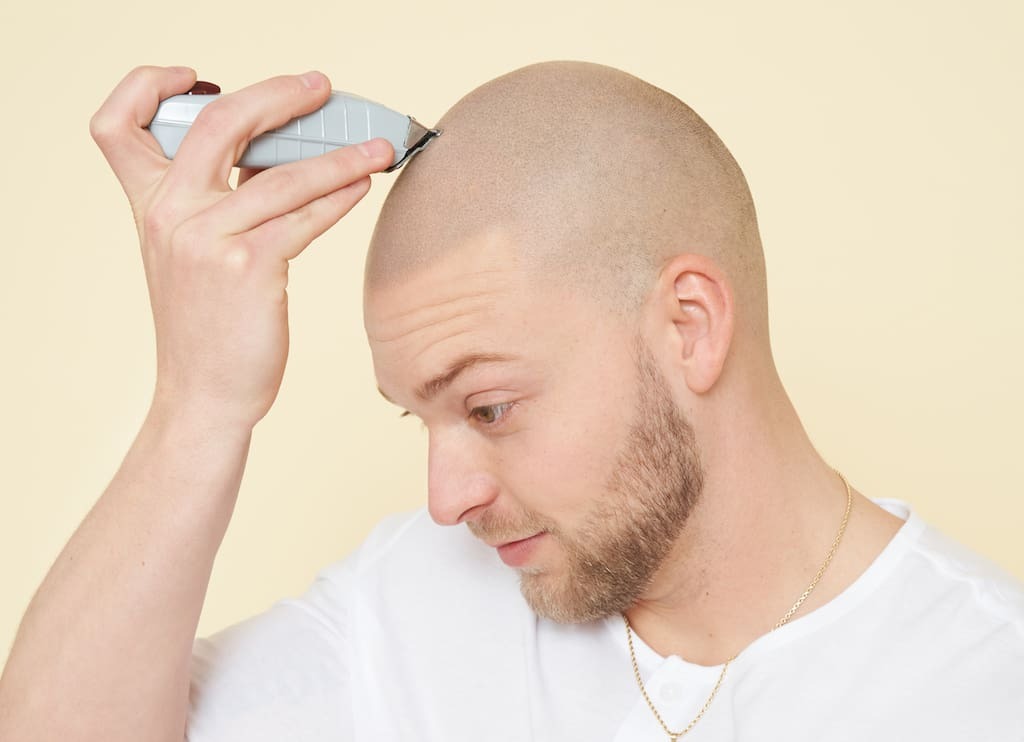
People who regularly shave their scalp should also use an appropriate technique. A clean, well-maintained razor or suitable electric shaver can help reduce unnecessary irritation. The goal is to maintain the desired shaved or closely cropped appearance without repeatedly damaging the scalp surface.
If redness, persistent itching, unusual swelling, or other concerning symptoms develop, professional medical advice should be sought rather than attempting to manage the problem independently.
Be Careful With Skincare Products
Not every scalp product is suitable for every person following micropigmentation. Strong active ingredients, chemical treatments, or abrasive formulations may cause irritation depending on individual skin sensitivity.
Before introducing a new skincare product, particularly one containing exfoliating acids or other potent ingredients, it is sensible to discuss it with the practitioner who performed the procedure. This is especially relevant if the scalp is sensitive or prone to irritation.
A simple maintenance routine is often preferable to using numerous products without a clear purpose.
Maintain a Consistent Hair and Scalp Appearance
Scalp micropigmentation is often designed around a particular hairstyle or shaved appearance. As natural hair grows, differences between the treated areas and surrounding hair may become more noticeable.
Keeping existing hair at a consistent length can help maintain visual harmony. If the treatment was intended to simulate closely shaved follicles, regular grooming may be necessary to preserve the intended overall appearance.
Changes in natural hair density over time can also alter how the pigmentation looks. Professional consultation can help determine whether the original treatment still complements the individual’s current hair pattern.
Understand When a Touch-Up May Be Needed
Scalp micropigmentation is long-lasting, but it is not necessarily permanent in its original appearance. Pigment can gradually become lighter or less defined due to natural skin changes, ultraviolet exposure, lifestyle, and other individual factors.
A touch-up should not automatically be viewed as a sign that the original treatment failed. In some cases, it is simply part of maintaining the desired appearance over the longer term.
The timing of any maintenance session should be determined individually. A qualified practitioner can assess pigment retention, colour changes, scalp condition, and overall symmetry before recommending additional treatment.
How to Choose the Right Clinic for Scalp Micropigmentation Dubai
Choosing a qualified provider is important because the quality of the original procedure influences how the result looks and how easily it can be maintained.
Experience and Qualifications
Look for practitioners with appropriate training and substantial experience in scalp micropigmentation. Experience with different scalp conditions, hair patterns, skin tones, and hairline designs can support more individualized treatment planning.
Technology and Techniques
Ask about the equipment, pigment formulation, needle configuration, and implantation technique used during treatment. A consultation should explain why a particular approach is appropriate rather than simply presenting technology as a marketing feature.
Safety Standards
A reputable provider should maintain appropriate hygiene, sterilization, infection-control, and clinical safety practices. Disposable equipment should be handled correctly, while reusable instruments should undergo appropriate sterilization.
Consultation Process
A thorough consultation should consider the patient’s existing hair, scalp condition, expectations, preferred appearance, and long-term maintenance requirements. Be cautious of providers who promise identical results for every individual.
Patient Experience
Clear aftercare instructions and realistic communication are important parts of the overall experience. Patients should know what to expect during healing and understand which activities or products should temporarily be avoided.
Expected Results
Results should be discussed realistically. Factors such as skin characteristics, pigment selection, treatment design, lifestyle, and future changes in natural hair can influence the final appearance. A professional should explain these variables rather than guarantee a particular outcome.
Frequently Asked Questions
How long can scalp micropigmentation maintain its appearance?
Scalp micropigmentation is generally considered a long-lasting cosmetic treatment, but its appearance can gradually change. Sun exposure, skin characteristics, lifestyle, and natural pigment fading can influence longevity.
Does sunlight affect scalp micropigmentation?
Yes. Repeated ultraviolet exposure can contribute to fading over time. Once the scalp has healed, suitable sun protection can help minimize unnecessary UV exposure.
Can I exercise after scalp micropigmentation?
Exercise restrictions are particularly important during the initial healing period. The appropriate time to resume strenuous activity depends on the treatment and individual recovery, so patients should follow their practitioner’s specific instructions.
Will scalp micropigmentation need maintenance sessions?
Some people may eventually choose a touch-up to refresh pigment definition or address gradual fading. Whether maintenance is necessary depends on how the treatment changes over time.
Can I shave my head after scalp micropigmentation?
Scalp shaving is commonly compatible with micropigmentation once the treated skin has fully healed. However, the appropriate timing and shaving method should be confirmed with the treating practitioner to reduce irritation.
Conclusion
Maintaining the appearance of scalp micropigmentation involves a combination of sensible scalp hygiene, sun protection, careful grooming, and appropriate professional follow-up. In Dubai’s demanding climate, protecting the scalp from excessive UV exposure and managing heat and sweat can be particularly relevant to long-term appearance. Individuals considering Scalp Micropigmentation should also understand that results vary and that occasional professional maintenance may be appropriate as pigment naturally changes over time. A qualified provider can offer individualized aftercare guidance and assess whether any future adjustment is necessary to keep the result balanced, natural-looking, and suited to the person’s evolving hair and scalp appearance.