Construction projects, landscaping jobs, excavations, and property developments can generate large quantities of unwanted materials. Soil, rubble, concrete, bricks, and general site waste can quickly take up valuable space and make a working area difficult to manage.
Efficient removal is therefore an important part of keeping projects safe, organised, and on schedule. Grab hire & muck away services provide a practical solution by combining convenient material collection with efficient transportation and disposal.
What Is Grab Hire and Muck Away?
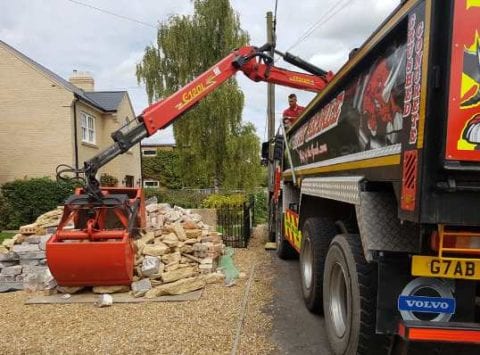
Grab hire involves using a grab lorry equipped with a hydraulic arm to collect and load materials directly from a site. The extended grab arm can reach over walls, fences, and other obstacles, making it useful where traditional loading methods may be difficult.
Muck away refers to the removal and transportation of excavated materials, including unwanted soil, clay, rubble, and construction waste. Instead of leaving waste piled around the site, specialist vehicles can collect it and transport it to an appropriate recycling, recovery, or disposal facility.
When these services are combined, grab hire & muck away can make site clearance considerably more efficient. The same operation can often involve loading, collecting, transporting, and removing unwanted materials, reducing the need for multiple pieces of equipment.
Efficient Soil Removal
Excavation work can produce significant amounts of excess soil. Whether a project involves foundations, drainage, landscaping, driveways, or garden renovations, excavated earth needs to be removed efficiently.
A grab lorry can collect loose soil from designated areas and load it directly into its container. This reduces the amount of manual labour required to move heavy material around the site. Once loaded, the material can be transported away, leaving the working area clearer.
For larger projects, organised soil removal can also help prevent excavated material from obstructing machinery, access routes, and workers.
Clearing Rubble and Construction Waste
Rubble is another common by-product of construction and demolition work. Broken bricks, concrete, paving slabs, blocks, and other heavy materials can be difficult to move using ordinary vehicles or manual labour.
With grab hire & muck away, rubble can be collected using specialised hydraulic equipment and transported away in a single operation. The grab arm allows operators to collect materials from relatively awkward positions, helping minimise unnecessary movement around the site.
This can be particularly useful when removing waste from demolition projects, building extensions, refurbishment work, and landscaping jobs.
Why Grab Lorries Are Useful on Busy Sites
One of the biggest advantages of grab lorries is their loading capability. Traditional waste removal may require workers to load materials manually or use additional machinery such as a mechanical loader.
A grab lorry combines transportation with an integrated loading mechanism. The hydraulic arm can reach into areas that may otherwise require additional equipment or considerable manual effort.
This can help reduce handling time while allowing workers to concentrate on other important tasks. For contractors managing several stages of a project, efficient waste collection can contribute to better overall site productivity.
Improving Site Access
Construction sites do not always have ideal access. Narrow entrances, walls, fences, parked vehicles, and restricted working areas can make waste removal challenging.
Grab lorries are designed to provide flexible loading capabilities. Their hydraulic arms can reach materials from a distance, meaning the vehicle may not need to be positioned directly beside every waste pile.
This flexibility can make grab hire & muck away particularly valuable for residential developments, rear gardens, renovation sites, and commercial locations where space is limited.
Before arranging collection, however, site managers should check vehicle access, overhead restrictions, ground conditions, and available working space. Proper planning helps ensure the vehicle can operate safely and efficiently.
Saving Time and Labour
Manual waste handling can be physically demanding and time-consuming. Workers may need to shovel, carry, and load materials repeatedly, particularly when large quantities of soil or rubble are involved.
Using a grab lorry can significantly reduce this manual workload. The hydraulic grab performs much of the heavy loading work, allowing waste to be collected more quickly.
For contractors, saving time can have a direct impact on project scheduling. A cleared site provides more room for machinery, deliveries, construction activities, and subsequent stages of work.
Supporting Responsible Waste Management
Site waste should not simply be removed without consideration of where it ends up. Different materials may require different treatment depending on their type and condition.
Soil, concrete, bricks, and other inert materials may be suitable for recycling or recovery. Some materials can potentially be processed and reused in construction applications, reducing the demand for new raw materials.
Professional waste removal services can help ensure collected materials are transported to suitable facilities. Contractors should always work with reputable providers and confirm that waste is handled in accordance with relevant environmental and legal requirements.
Suitable for Construction and Landscaping Projects
The versatility of grab hire & muck away makes these services suitable for many types of work. Construction companies may use them for foundation excavation, demolition clearance, extensions, and commercial developments.
Landscapers can also benefit when removing soil, old paving, broken concrete, and garden construction waste. Driveway installations, patio replacements, drainage projects, and garden redesigns can all create materials that need efficient removal.
The service can therefore be useful for both large commercial developments and smaller domestic projects, depending on the quantity and type of material involved.
Planning Waste Removal Before Work Begins
Good waste management starts before excavation or demolition begins. Estimating the amount and type of material that will be produced allows contractors to choose an appropriate collection service.
Consider the expected volume of soil and rubble, the type of waste, access restrictions, loading location, and project schedule. It is also important to identify whether materials need to be separated for recycling or special handling.
Planning collections in advance can prevent waste from accumulating unnecessarily. It can also reduce disruption to workers and help maintain a more organised site.
Choosing a Reliable Clearance Service
When selecting a waste removal provider, look beyond price alone. Experience, vehicle suitability, waste-handling practices, availability, and reliability are all important factors.
A reputable provider should be able to explain what materials they can collect, how the loading process works, and where the waste will be taken. They should also understand the practical requirements of operating safely around construction sites.
It is worth discussing access conditions and material quantities before booking. Providing accurate information can help the provider send a suitable vehicle and avoid delays on collection day.
Conclusion
Effective waste clearance is essential for keeping construction, excavation, and landscaping projects productive and organised. Excess soil, rubble, broken concrete, bricks, and other site waste can quickly create obstacles if they are not removed efficiently.
Grab hire & muck away offers a convenient approach by combining hydraulic loading with transportation and responsible waste removal. The ability to collect materials from challenging locations can reduce manual handling, improve site access, and save valuable project time.
Whether clearing excavated soil from a foundation project or removing rubble from a renovation, choosing an experienced waste removal provider can make the process smoother. With proper planning and responsible disposal, efficient site clearance can help create a cleaner, safer, and more productive working environment.