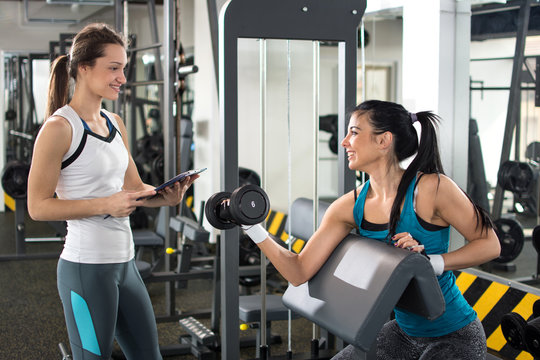
Finding gym trainers women with wide feet can wear comfortably shouldn’t feel like a second workout. Yet plenty of shoes look roomy on the shelf and start squeezing across the forefoot ten minutes into a session. Toes go numb. The little toe rubs. Squats feel oddly unstable.
The right pair depends on the session. A soft running shoe may wobble under a loaded barbell, while a firm lifting shoe can feel harsh during a 20-minute incline walk. Match the shoe to the work. Your feet will tell you pretty quickly if you got it wrong…
Which gym trainers should women with wide feet buy?
For mixed workouts, start with a trainer that has a genuinely roomy forefoot and a stable base. “Wide-looking” isn’t the same as wide fit. Some chunky shoes have a broad outsole while the upper still pinches the foot.
New Balance is the easiest place to begin. Its UK women’s gym range currently includes Wide D and X-Wide 2E filters. The brand says its wide-fit models provide more toe-box space and shoe depth. That depth matters as much as width when a standard upper presses on the forefoot. Browse rather than simply sizing up.
My first pick would be a New Balance model in D width for cardio, machines and light strength work. If a standard shoe leaves red marks after 30 minutes, I’d try 2E before buying extra length.
Are Reebok Nano trainers good for wide feet?
The Reebok Nano line suits functional fitness. Nano shoes use a stable gym-floor base for squats, sled pushes, box jumps and short conditioning runs. The current has a wide outsole base and was listed at £90 on Reebok’s UK site when checked.
One catch: a wide base isn’t an official wide-width upper. Try the shoe indoors before committing. Do five bodyweight squats, ten side lunges and a minute of brisk walking. If your toes push against the side mesh, don’t assume it will stretch enough. It probably won’t.
When I compared the two ranges, the difference was clear: Reebok stresses platform stability; New Balance offers D or 2E. For truly broad feet, specific sizing wins. For mildly wide feet and mixed lifting, the Nano may feel more planted.
Is Brooks Ghost suitable for gym workouts?
Brooks Ghost suits treadmill sessions, walking, and cardio-heavy gym days. Brooks currently offers women’s wide 1D and extra-wide 2E choices in its UK collection. The Ghost 18 uses soft DNA LOFT v3 cushioning for steady runs and long warm-ups.
I wouldn’t choose it for heavy squats. Soft cushioning can compress under load. For 25 treadmill minutes followed by cable work, though, the Ghost makes sense. That’s the boring answer, maybe, but feet often prefer boring.
Are ASICS wide-fit trainers good for the treadmill?
Yes. ASICS has a dedicated UK wide-fit running range. Its cushioned models suit treadmill running, brisk walking and gym cardio. Look for “Wide” in the product name because GEL models don’t all fit alike.
To my eye, ASICS is stronger for someone doing three 5K treadmill runs each week than for a barbell-focused lifter. If your training is half running and half lifting, you may eventually want two pairs. Sounds excessive until one shoe starts spoiling both sessions.
What would a fitness coach in UK check before buying?
A coach should ask what exercises dominate your week, not recommend whatever they wear. Bring your normal gym socks and shop later in the day because feet can swell. Check these details:
- The longest toe has roughly a thumb’s width of space.
- Toes can spread without sitting on the midsole edge.
- The heel stays secure during a lunge.
- The upper doesn’t press across the widest part of the foot.
- The foot doesn’t slide sideways during quick direction changes.
Brooks recommends about a thumb’s width ahead of the longest toe. Front space and shoe width solve different problems.
Should you size up in gym trainers women buy for wide feet?
Not automatically. Going up a full size can create heel slip while leaving the forefoot shape mostly wrong. Choose your normal length in a proper wide width first. New Balance notes that cramping, numbness, calluses and blisters between the toes can signal that a shoe is too small or narrow.
The best gym trainers women choose should feel secure, not tight. Your heel stays put while the toes spread during squats. Walk around for ten minutes at home before removing labels.
When should you ask a fitness coach in UK for help?
Ask for help when you’re unsure whether your shoes match your programme. A coach can watch your squats, lunges and jumps. Foot pain, recurring numbness or a changing gait needs a podiatrist or qualified healthcare professional.
If one foot is wider, fit the larger foot. A different lacing pattern may secure the smaller side without crushing the bigger one.
FAQs
What is the best gym shoe brand for women with wide feet?
New Balance is the clearest starting point because its UK range includes D and 2E filters. Brooks and ASICS carry wide options for treadmill training.
Can wide running shoes be used for weight training?
They work for machines and light strength sessions. For heavy barbell lifts, choose a flatter and firmer cross-training or lifting shoe because thick soft foam can feel unstable.
How do I know if my gym trainers are too narrow?
Watch for numb toes, side pressure, blisters or the foot bulging over the midsole. Early discomfort rarely disappears through wishful breaking-in.
Ready to replace the squeeze? Compare two pairs of gym trainers women with wide feet genuinely suit. Try both with gym socks and keep the one that feels right while moving, not just standing.