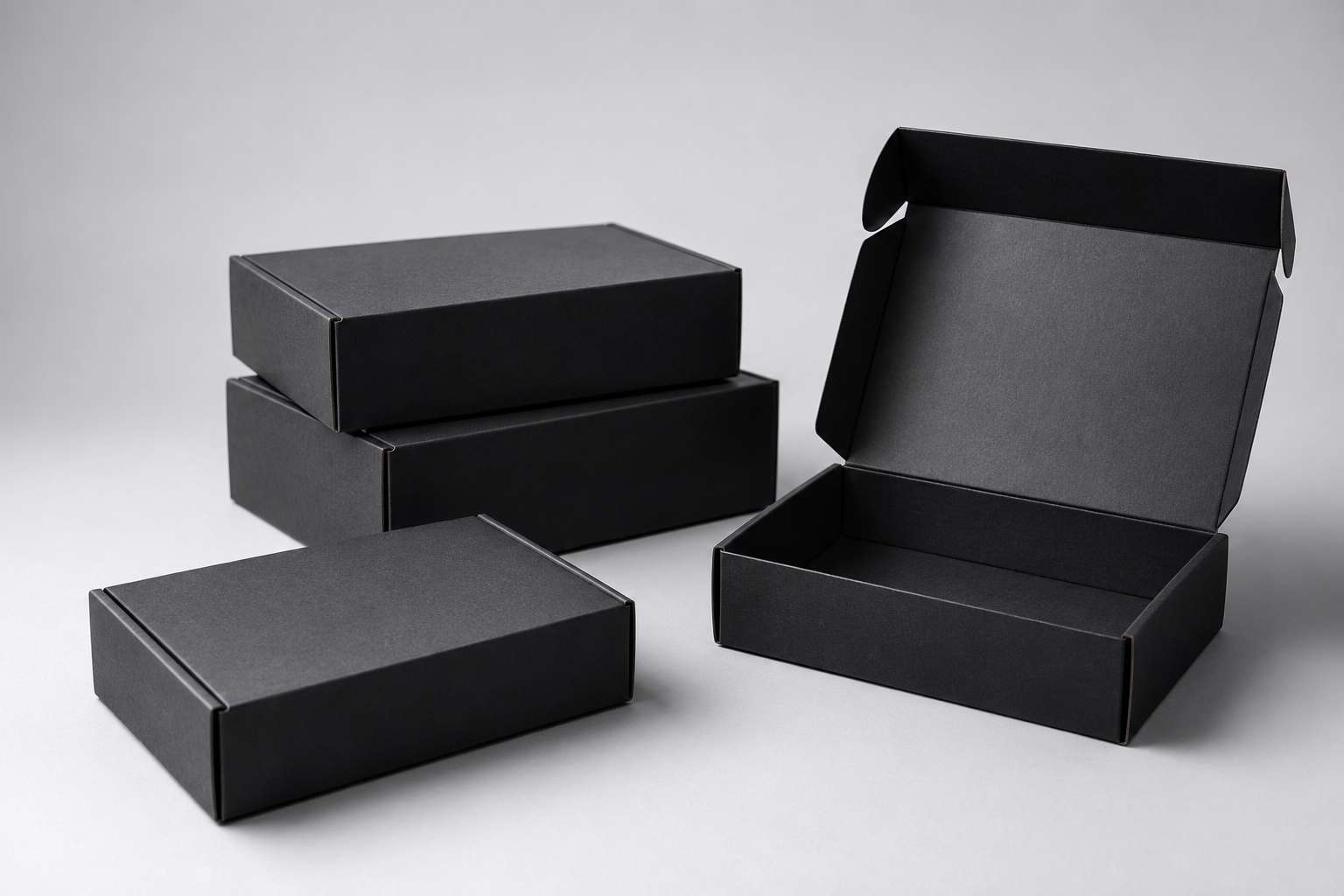
Bad products seldom have a chance over new brands. Bad first impressions beat them. A jar, a pouch or a box is next to five competitors on the same shelf and the shoppers make their choice within seconds. And this is where Tuck Boxes come in. They provide an opportunity for small and mid-size brands to appear elegant without having to make the volume commitments that bigger companies can afford. This change has not gone unnoticed by the packaging industry. That is why many founders are now rethinking how they make boxes this year.
The Real Cost of Ignoring Packaging Quality
Founders tend to consider packaging as a sort of an afterthought until returns begin to accumulate. Cracking corners, loose seams and faded printing drive customers to competitors, despite the superior performance of the product inside. Inadequacy of packaging also leads to more shipping damages that are consuming already slender margins. As soon as a brand fixes this early, it saves on the cost of reprinting later and instills confidence in the retailers who want to see the same presentation in each batch.
Why More Brands Are Switching To Custom Tuck Boxes
There are a couple of reasons why retailers and online sellers are abandoning generic containers. Custom Tuck Boxes provide a brand with control over size, finish and structural integrity, which is not often available in conventional packaging.
- Improved shelf visibility with tailor-made die-cut windows and finishes.
- Reduced shipping weight compared to rigid boxes or tins.
- Better brand recognition with a high level of color and print quality.
- Less warehouse space as flat-packed cartons occupy less space.
- Quicken the unboxing process to enhance customer feedback.
These arguments justify why the packaging teams currently consider the box design as a product development technique rather than an activity before launching the product.
How Should a Brand Choose a Tuck Box Manufacturer?
Not all printing companies deal with small-print orders. Founders must seek a manufacturer that provides low minimum order quantities without loss of print resolution or material thickness. Direct manufacturers are also likely to charge more reasonably than brokers, since they don’t add a markup to the production cost. Turnaround is also important, particularly when brands are trying out new tastes, smells, seasonal designs and are not ready yet to do a complete production run. A vendor providing custom Tuck Boxes manufacturer services, like Kwick Packaging, provides smaller brands with the same production quality as bigger companies, but does not compel them to place large orders.
Top Packaging Manufacturers Shaping the U.S. Market
Some manufacturers have developed a reputation for making Tuck Boxes Wholesale that are reliable in various industries. The following is a brief overview of three names that founders tend to research prior to making their initial order.
Kwick Packaging
This manufacturer has established a reputation for being able to order in any quantity and has production turnaround times that are short when making new orders or independent brands. The quality of print remains the same when a customer orders a few hundred or several thousand and this is important when founders are still trying product-market fit.
ePac Flexible Packaging
It has a nationwide network of digital printing facilities that provide brands regional printing options and reduced shipping distances. It has digital press technology that enables shorter runs without the setup expenses associated with traditional offset printing.
PakFactory
PakFactory is dedicated to personalized retail packaging and there is a design tool on the Internet, allowing the founders to see what their box will look like before ordering. This self-service approach appeals to smaller teams that don’t have an in-house design department.
Industries Where Tuck Boxes Deliver the Most Value
Some types of products are more advantageous than others to this type of packaging, primarily due to the manner of shipping and displaying the product.
- Cosmetics and skincare: keeps glass and plastic containers off the shelf without scratches.
- Food and snacks: seals items in transit and can be stacked up.
- Supplements: helps with tamper-evident closures without additional hardware.
- Small electronics accessories: cushions and makes it easy to unbox.
- Gift and subscription box: Gives a fancier touch without a high unit price.
The custom cartons are frequently used by brands in these categories when they realize that their competitors are making inroads with superior presentation.
What This Means For Startups Right Now
The choices on packaging were made to benefit deep-pocket and high purchase order companies. It is not that anymore. Tuck Boxes Wholesale can now be ordered in smaller batches by founders, test designs can be easily produced and production can be scaled once a product has proven itself in the market. This change provides independent brands with a legitimate opportunity to compete based on how they look on shelves and not only product quality. With more manufacturers changing their minimum order policies, packaging will continue to have a larger role in the launch and growth of new brands.