Learning how to build a personal brand on social media can help you showcase your skills, connect with the right audience, and create new professional opportunities. Whether you are a student, freelancer, entrepreneur, job seeker, or content creator, a strong online presence can help people understand who you are and what you have to offer.
Social media is no longer just a place to share photos and personal updates. Platforms such as Instagram, LinkedIn, TikTok, and YouTube have become powerful tools for building credibility, sharing expertise, and developing professional connections.
However, successful personal branding does not happen simply by posting every day. You need a clear identity, a defined audience, valuable content, and a consistent strategy. The good news is that you do not need thousands of followers or expensive equipment to get started.
In this beginner’s guide, you will learn how to build a personal brand on social media, from defining your niche and choosing the right platform to creating valuable content, engaging with your audience, and measuring your progress.
What Is Personal Branding?
Personal branding is the process of intentionally presenting your skills, knowledge, personality, values, and experience to an audience. It is the impression people develop about you based on what they see and learn from your online presence.
For example, a person who regularly shares digital marketing tips may become known for marketing knowledge. Similarly, a photographer can use social media to showcase their work and establish themselves as a photography professional.
Your personal brand does not mean pretending to be someone else. Instead, it is about identifying what makes you valuable and communicating it clearly.
A strong personal brand answers three important questions:
- Who are you?
- What do you know or offer?
- Why should people follow or trust you?
Why Build a Personal Brand on Social Media?
Social media provides an opportunity to reach people beyond your personal network. Platforms such as Instagram, LinkedIn, TikTok, YouTube, and Facebook allow individuals to share their knowledge and connect with relevant communities.
One major advantage of social media personal branding is visibility. When you consistently share useful content, people begin to recognize your name and associate it with a particular topic or skill.
Personal branding can also help you:
- Demonstrate your expertise
- Build professional credibility
- Connect with industry professionals
- Attract potential clients or employers
- Create networking opportunities
- Promote your business or services
- Establish yourself as a knowledgeable voice in your field
However, the goal should not simply be gaining followers. A smaller audience that trusts your content can be more valuable than a large audience that has no connection with what you offer.
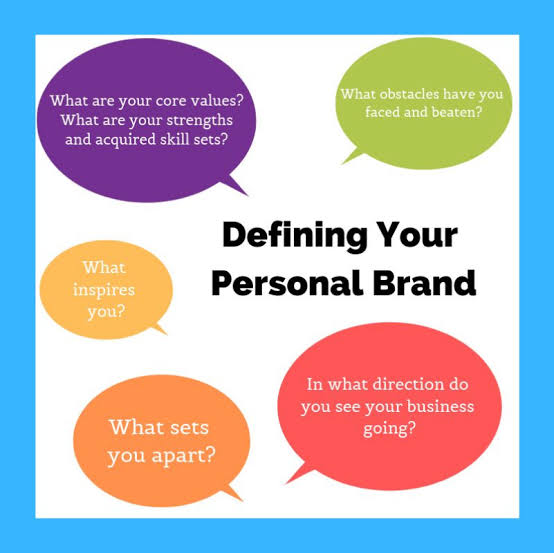
Step 1: Define Your Personal Brand
Before creating content, decide what you want your personal brand to represent. This is one of the most important parts of a successful personal branding strategy.
Start by identifying your skills, interests, experience, and strengths. Think about the subjects you can discuss consistently without getting bored.
For example, your personal brand could focus on:
- Digital marketing
- Graphic design
- Fitness
- Career advice
- Photography
- Business
- Education
- Technology
- Personal development
Try to choose a specific area rather than talking about everything. A focused identity makes it easier for people to understand what they can expect from your profile.
You should also consider your personality and values. Your brand should feel authentic because people are more likely to connect with someone who communicates naturally.
Step 2: Identify Your Target Audience
A personal brand becomes stronger when you know exactly who you are trying to reach.
Ask yourself:
Who would benefit from my content?
Your audience could be students, business owners, job seekers, freelancers, young professionals, or people interested in a particular hobby.
Once you understand your audience, you can create content that addresses their questions, problems, interests, and goals.
For example, if your target audience is beginner freelancers, you could create posts about finding clients, creating a portfolio, improving skills, and managing freelance projects.
Understanding your audience helps you move from simply creating content to creating valuable content.
Step 3: Choose the Right Social Media Platforms For Your Personal Brand
You do not have to be active on every social media platform. Trying to manage too many platforms can make it difficult to maintain consistency.
Instead, choose platforms based on your goals and audience.
LinkedIn can be useful for professionals, students, job seekers, and business-related content. Instagram can work well for visual content, personal lifestyle branding, design, fashion, and creative work. TikTok and YouTube can be effective for educational and entertaining video content.
Start with one or two platforms where your target audience is most active. Once you become comfortable with your content strategy, you can expand to other platforms.
The key is not being everywhere. The key is being consistent where it matters.
Step 4: Create a Professional and Consistent Profile
Your social media profile is often the first thing people see, so make sure it communicates your identity clearly.
Use a clear profile picture that represents you professionally. Your username should ideally be simple and easy to remember.
Your bio should briefly explain:
- Who you are
- What you do
- What type of content you share
- What value followers can expect
For example:
Digital Marketing Student | SEO & Social Media
Sharing practical marketing tips for beginners.
Keep your visual identity reasonably consistent as well. You can use a similar style of images, colors, fonts, or presentation across your content. Consistency helps make your profile recognizable.
Image Alt Text: professional social media profile for personal branding
Step 5: Develop a Content Strategy
Creating random posts whenever you feel like it can make personal branding difficult. A simple personal brand strategy can help you stay organized.
Start by selecting three to five content categories, also called content pillars.
For example, a digital marketing personal brand might use:
- SEO tips
- Social media marketing
- Career advice
- Industry trends
- Personal experiences
These categories give you enough variety without making your profile confusing.
You can also use different content formats, such as:
- Educational posts
- Short videos
- Carousels
- Personal stories
- Tutorials
- Industry updates
- Questions and discussions
The goal is to balance expertise with personality. People want to learn from you, but they also want to understand the person behind the information.
Image Alt Text: social media content strategy planning for personal branding
Step 6: Share Valuable and Original Content
One of the most important personal branding tips is to focus on value rather than simply posting frequently.
Before publishing something, ask:
Will this help, educate, inspire, or entertain my audience?
You can share lessons you have learned, explain difficult concepts in simple language, answer common questions, or share your experiences.
You do not need to be an expert with decades of experience. Beginners can also create useful content by documenting what they are learning.
For example, instead of saying, “I am learning SEO,” you could share five SEO lessons you learned during your first month of studying it.
This approach makes your content more personal and relatable while still providing value.
Image Alt Text: creator sharing educational content on social media
Step 7: Be Consistent
Consistency is one of the foundations of social media personal branding. You do not need to post multiple times every day. A realistic schedule is more effective than an ambitious schedule you cannot maintain.
For example, you could start with three posts per week. Choose specific days and prepare content in advance when possible.
Consistency also applies to your message. If you want to become known for digital marketing, regularly discussing marketing-related topics will reinforce that association.
Remember that personal branding takes time. You may not see significant results during the first few weeks. Continue improving your content and learning from your audience.
Step 8: Engage With Your Audience
Personal branding is not only about publishing posts. It is also about building relationships.
Respond to comments, answer questions, participate in relevant discussions, and engage with other creators in your industry.
Instead of simply commenting “Great post,” add something meaningful to the conversation. Share your perspective, ask a relevant question, or explain how you experienced the same situation.
Genuine engagement can help you build relationships and expand your professional network.
Step 9: Show Your Personality
A common mistake in personal branding is making every post sound overly formal or corporate.
Remember that the word personal is important.
You can share appropriate personal experiences, lessons, challenges, achievements, or behind-the-scenes moments. These elements can make your content more relatable.
However, authenticity does not mean sharing every detail of your private life. You can maintain boundaries while still allowing your personality to appear in your communication.
Your goal is to create a brand that feels professional but still feels like you.
Step 10: Track Your Progress and Improve
A good personal branding strategy should evolve over time.
Pay attention to which posts receive meaningful engagement. Look at comments, shares, saves, profile visits, and other relevant metrics available on your platform.
If educational posts consistently perform better than other types of content, consider creating more educational content.
You can also experiment with different topics, formats, captions, and posting schedules.
Do not become obsessed with follower numbers. Instead, focus on whether your audience is becoming more engaged and whether your online presence is creating useful opportunities.
Image Alt Text: social media analytics for measuring personal brand growth
Common Personal Branding Mistakes to Avoid
Building a personal brand takes patience, and beginners often make a few common mistakes.
Trying to Appeal to Everyone
If your content is about everything, people may struggle to understand what you are known for. Start with a clear niche and expand gradually.
Copying Other Creators
It is useful to study successful creators, but copying their personality, content, or style can make your brand feel unoriginal. Learn from others while developing your own voice.
Focusing Only on Followers
Follower count does not automatically equal influence. Engagement, trust, credibility, and meaningful connections are also important.
Being Inconsistent
Posting for a few days and disappearing for several weeks makes it harder to build momentum. Choose a schedule you can realistically maintain.
Ignoring Your Profile
Even excellent content cannot completely compensate for an unclear profile. Keep your photo, bio, username, and overall presentation professional and understandable.
Final Thoughts
Learning how to build a personal brand does not require expensive tools, professional photography, or thousands of followers. It starts with understanding who you are, what you can offer, and who you want to help.
Choose a clear niche, identify your target audience, select the right platforms, create valuable content, and maintain consistency to build your personal brand. Most importantly, allow your personality and authentic experiences to become part of your brand.
A strong personal brand is not built overnight. It develops through repeated effort, genuine connections, and continuous improvement. Start with one platform, one clear message, and a simple content plan. With time, your social media presence can become a powerful representation of your skills, knowledge, and professional identity.