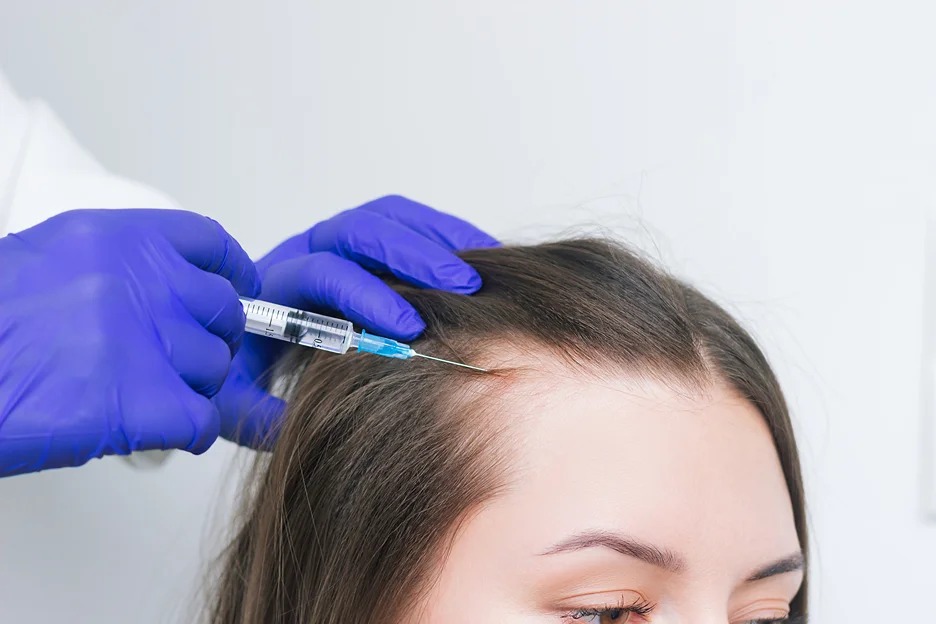
Recovery is an important part of any hair restoration procedure, and patients considering Stem Cell Hair Transplant in Dubai should understand that the healing process can vary according to the technique used, the condition of the scalp, the number of grafts or follicles treated, and individual healing characteristics. Although advanced regenerative approaches are increasingly discussed in modern hair restoration, patients should distinguish between established hair-transplant procedures and regenerative treatments marketed under the broad term “stem cell.”
Immediately after treatment, the scalp may experience mild redness, tenderness, swelling, tightness, or sensitivity. These effects are generally managed through the clinic’s aftercare instructions and tend to settle progressively. Patients should avoid touching, scratching, or unnecessarily disturbing the treated area during the early recovery period.
The first few days are particularly important because newly treated follicles require careful handling. Washing the scalp, sleeping position, physical activity, sun exposure, and the use of hair products may all need temporary modification. A qualified medical team should provide individualized instructions rather than relying solely on generic recovery advice.
Recovery also does not mean that visible hair growth will occur immediately. Hair restoration is a gradual process, and temporary shedding can sometimes occur before new growth becomes noticeable. Patients should therefore evaluate progress over an appropriate timeframe rather than judging the outcome during the first few weeks.
For anyone researching this treatment in Dubai, selecting an experienced medical provider, understanding the exact procedure being proposed, and following professional aftercare instructions are essential components of a safe recovery.
Understanding the Early Recovery Period
The first several days usually receive the greatest attention because the scalp is at its most sensitive. Depending on the treatment performed, patients may experience redness, minor swelling, crusting, tenderness, or temporary discomfort.
Patients should follow the specific instructions provided by their medical team regarding scalp cleansing. Aggressive rubbing, picking at scabs, wearing tight headwear, or applying unapproved cosmetic products can unnecessarily irritate the treated area.
Sleeping with the head slightly elevated may be recommended during the initial period if swelling is expected. Patients should also clarify when they can return to exercise, swimming, sauna use, and other activities that may increase sweating or expose the scalp to contaminants.
What Happens During the Following Weeks?
Once the initial irritation settles, the scalp generally begins transitioning into a longer recovery phase. Some patients may notice temporary changes in the appearance of treated hair or existing hair. This does not necessarily indicate treatment failure.
Hair follicles operate through natural growth cycles, so visible improvement cannot be assessed immediately. Depending on the treatment and the patient’s individual circumstances, noticeable changes may require several months.
This is why patients considering Stem Cell Hair Transplant in Dubai should discuss realistic milestones with their provider before treatment. A responsible consultation should explain what the procedure is intended to achieve, how progress will be monitored, and what factors could influence the final appearance.
Enfield Royal Clinic
Enfield Royal Clinic can be considered by patients seeking a structured consultation for hair restoration and scalp-related concerns. Before proceeding with any regenerative or transplant-based procedure, patients should ask the medical team to explain exactly which technique is being recommended and whether it involves transplantation, regenerative therapy, or a combination of approaches.
For individuals exploring Stem Cell Hair Transplant in Dubai, a thorough consultation is particularly important because terminology surrounding regenerative hair treatments can vary between providers. Patients should understand the biological basis of the proposed treatment, expected recovery period, potential risks, and how outcomes will be evaluated.
The clinic consultation should also provide an opportunity to discuss existing hair density, the pattern of hair loss, scalp condition, previous treatments, and realistic expectations. Clear communication before treatment can make the recovery process easier to understand and follow.
Tajmeels Clinic
Tajmeels Clinic is another Dubai-based provider that patients may investigate when comparing aesthetic and hair restoration services. During an initial consultation, patients should establish whether the specific regenerative hair procedure they are considering is currently offered and who is responsible for performing it.
Patients should also ask about post-treatment monitoring. Follow-up appointments can be useful for assessing scalp healing, identifying complications early, and determining whether additional treatment is appropriate.
Rather than selecting a provider solely because of the terminology used in advertising, patients should look for transparent explanations of the technique, credentials of the treating professional, expected recovery, and limitations of the treatment.
Dynamic Life Clinic
Dynamic Life Clinic may also be included in a patient’s research when evaluating hair restoration and regenerative medicine options in Dubai. Patients should approach the consultation as an opportunity to understand the complete treatment pathway rather than focusing only on the procedure itself.
Important questions can include how the scalp is assessed before treatment, what type of regenerative material or technique is used, whether transplantation is involved, and what aftercare protocol is recommended.
A good recovery plan should be practical. Patients should know when they can wash their hair normally, resume strenuous exercise, return to work, expose the scalp to sunlight, and use styling products.
Cocoona Clinic
Cocoona Clinic is another facility patients may explore when researching aesthetic and hair restoration care in Dubai. Anyone considering a regenerative hair procedure should verify the exact service available and discuss whether it is appropriate for their specific pattern of hair loss.
The recovery discussion should extend beyond the first few days. Patients should understand the expected progression of scalp healing and how the medical team will distinguish normal post-treatment changes from symptoms requiring assessment.
Maintaining realistic expectations is especially important because regenerative hair treatments may not produce identical outcomes for every patient. Existing follicle health, underlying hair-loss causes, age, genetics, scalp condition, and previous treatments can all influence the response.
Dubai Cosmetic Surgery Clinic
Dubai Cosmetic Surgery Clinic may be considered as part of a broader comparison of hair restoration providers. Patients should use the consultation to obtain detailed information about the proposed procedure, including the technology involved, practitioner qualifications, infection-control practices, and follow-up arrangements.
When researching Stem Cell Hair Transplant in Dubai, it is also useful to ask whether the term “stem cell” refers to an actual transplant procedure, a regenerative treatment, or another technique. These approaches are not necessarily interchangeable.
Understanding this distinction helps patients compare providers on meaningful clinical factors rather than marketing terminology.
Emirates Hospital
Emirates Hospital provides another option for patients researching medical care and specialist consultations in Dubai. For individuals considering an advanced hair restoration procedure, the priority should be establishing whether the relevant specialist service is appropriate for their particular condition.
Patients should disclose medications, allergies, previous procedures, scalp disorders, and any history of unusual healing during their consultation. Such information can help clinicians determine appropriate treatment and aftercare considerations.
A medically supervised recovery plan should also explain when patients need to contact the provider. Increasing pain, significant swelling, persistent bleeding, unusual discharge, fever, or other concerning symptoms should not simply be attributed to normal healing without professional assessment.
Al Zahra Hospital Dubai
Al Zahra Hospital Dubai is another healthcare facility patients may research when considering specialist evaluation. A hospital-based consultation can be particularly useful for patients who want their general health and scalp condition reviewed before undergoing an elective procedure.
Patients should ask for clear information about expected downtime and follow-up. Recovery recommendations may differ depending on whether the patient undergoes a conventional hair transplant, regenerative therapy, or a combination approach.
The most appropriate plan should therefore be based on the patient’s diagnosis and treatment rather than on a predetermined recovery schedule.
King’s College Hospital London Dubai
King’s College Hospital London Dubai can also be considered by patients looking for specialist medical assessment in Dubai. Patients should confirm the availability of the specific hair restoration or regenerative service they are interested in before scheduling treatment.
A comprehensive consultation should cover the underlying cause of hair loss, available treatment options, suitability, potential complications, and expected outcomes. This approach helps patients avoid assuming that an advanced-sounding treatment is automatically appropriate for their particular form of hair loss.
Follow-up care should remain an important consideration. A provider that clearly explains how recovery will be monitored can help patients identify whether their healing is progressing as expected.
How to Choose the Right Clinic for Stem Cell Hair Transplant in Dubai
Experience and Qualifications
The qualifications and relevant experience of the medical professional should be among the first considerations. Patients should determine who will perform the procedure and whether that professional has appropriate training in hair restoration, dermatology, plastic surgery, or the relevant regenerative discipline.
Technology and Techniques
Patients should ask for a straightforward explanation of the technology being used. “Stem cell” terminology can encompass different approaches, and patients should understand precisely what will happen during treatment.
The provider should also explain why the recommended technique is suitable for the patient’s pattern of hair loss rather than simply presenting it as a universally effective solution.
Safety Standards
A proper clinical environment, sterile technique, appropriate patient screening, and clear complication-management protocols are fundamental. Patients should also receive instructions about medications, scalp care, activity restrictions, and warning signs after treatment.
Consultation Process
A detailed consultation is more valuable than a quick treatment recommendation. The clinician should examine the scalp, review the patient’s medical and hair-loss history, discuss expectations, and explain alternative options where appropriate.
Patient Experience
Patients should consider how clearly the provider communicates before and after treatment. Accessible follow-up, understandable aftercare instructions, and realistic discussions about recovery can significantly improve the overall treatment experience.
Expected Results
Patients should be cautious of promises of guaranteed regrowth or permanent results. Hair restoration outcomes depend on multiple biological and procedural factors. Before treatment, patients should ask how success will be measured and when meaningful progress is expected.
Frequently Asked Questions
How long does recovery take after Stem Cell Hair Transplant in Dubai?
The recovery period varies according to the exact procedure performed and the patient’s individual healing response. Initial scalp irritation may improve within days, while the longer-term hair-growth process can take several months.
Is redness normal after the procedure?
Mild redness can occur after scalp-based procedures. However, persistent or worsening redness, particularly when accompanied by increasing pain, discharge, fever, or significant swelling, should be assessed by a medical professional.
Can patients return to exercise immediately?
Strenuous exercise may need to be restricted temporarily because sweating, friction, and increased blood flow can affect the healing scalp. The treating clinician should provide a specific timeline based on the procedure performed.
When can patients expect visible hair growth?
Hair growth is gradual and cannot normally be judged immediately after treatment. Depending on the technique and individual biology, patients may need several months before meaningful changes become apparent.
What should patients do if recovery does not seem normal?
Patients should contact their treating clinic if they experience unusual or worsening symptoms. Self-treatment or ignoring warning signs can delay appropriate assessment. The clinic should provide clear instructions about when postoperative review is necessary.
Conclusion
Recovery after hair restoration requires patience, appropriate aftercare, and realistic expectations. Patients considering Stem Cell Hair Transplant in Dubai should first establish exactly what treatment is being offered, who will perform it, how the scalp will be monitored, and what results can reasonably be expected.
The early recovery period generally focuses on protecting the scalp and minimizing irritation, while the longer-term phase involves waiting for the biological hair-growth cycle to develop. Temporary shedding or changes in appearance do not automatically indicate an unsuccessful outcome, but unexpected symptoms should always be discussed with the treating medical team.
Ultimately, the quality of the consultation, clinical qualifications, treatment transparency, safety standards, and follow-up support are just as important as the technology itself. Choosing a provider that explains both the possibilities and limitations of treatment can help patients approach recovery with greater confidence and more realistic expectations.