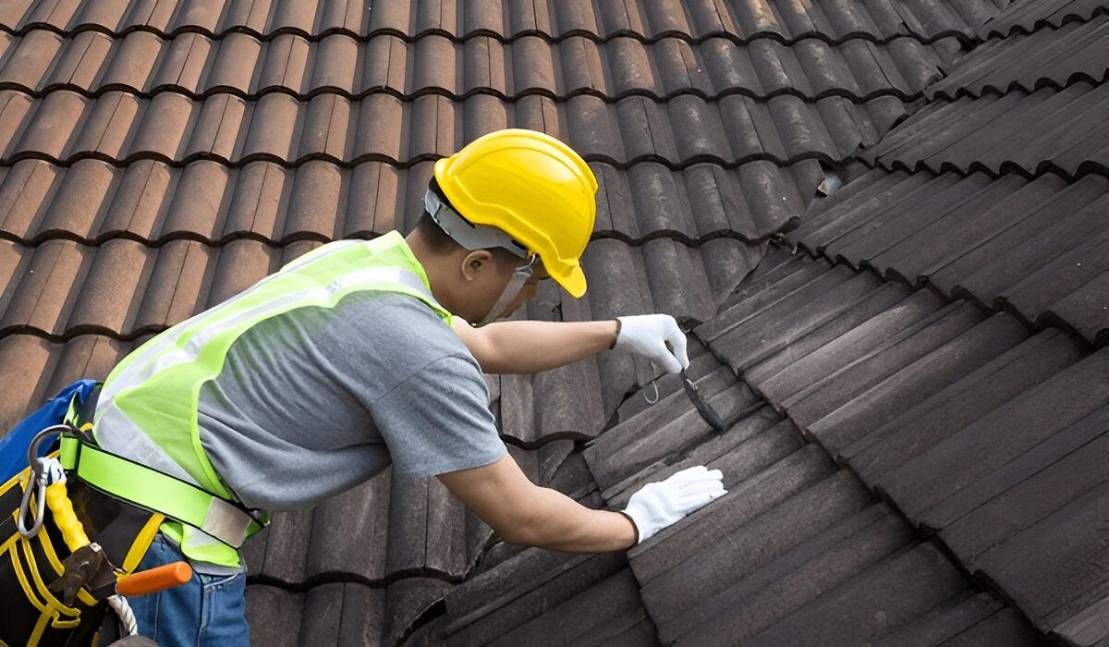
Roof Leak Repair becomes important as soon as a roofing problem allows moisture to enter the home. The first clue may be a faint ceiling stain, damp attic insulation, or a musty smell after a storm. Because water can travel beneath shingles and along decking before appearing indoors, waiting for an obvious drip can turn a manageable issue into a much more expensive one.
For homeowners in Milwaukee, WI, seasonal weather can place repeated stress on roofing systems. Snow, ice, hail, heavy rain, strong winds, and freeze-thaw cycles can all expose weak areas. Recognizing the early warning signs and knowing when to seek professional help can protect the roof and the living space below it.
What Usually Causes a Roof to Leak?
A leaking roof can develop because of one damaged component or several problems occurring over time. Age is one factor, but severe weather, poor drainage, and deteriorating materials can also create opportunities for water to get through.
Common causes include:
- Missing or damaged shingles: Wind and hail can loosen, crack, or remove shingles, exposing the layers underneath.
- Worn flashing: Flashing around chimneys, vents, skylights, and roof-to-wall transitions helps direct water away from vulnerable areas. When it separates or deteriorates, moisture can enter.
- Aging roofing materials: Older shingles may become brittle, lose protective granules, and gradually become less effective at shedding water.
- Blocked drainage: Leaves, branches, and debris can restrict water flow and leave moisture concentrated in areas designed to drain.
- Storm damage: Hail can create subtle impact damage, while strong winds may lift or loosen roofing materials.
- Winter-related stress: Repeated freezing and thawing can affect vulnerable roofing and drainage components.
The point where water becomes visible is not necessarily where it entered. Moisture can move beneath shingles, across decking, or along structural components before reaching a ceiling or wall.
Warning Signs Homeowners Should Not Overlook
A roof does not need to show obvious structural damage before it deserves attention. Small changes can provide an early warning that something is wrong.
Inside the home, watch for:
- Brown, yellow, or spreading ceiling stains
- Damp or bubbling drywall
- Peeling paint near ceilings or upper walls
- Musty odors in rooms or attic spaces
- Wet, compressed, or discolored insulation
- Moisture around attic framing
- Dripping or staining after rainfall
- Unexplained dampness on an upper floor
Exterior warning signs may include:
- Missing, cracked, curled, or lifted shingles
- Loose or deteriorated flashing
- Sagging sections
- Exposed decking
- Visible punctures or impact marks
- Excessive granules around downspouts
- Damaged roof edges
- Problems around vents, chimneys, or other penetrations
One warning sign does not automatically mean the entire roof needs replacement. The age, condition, location, and extent of the damage should be evaluated before deciding what work is necessary.
Why a Minor Leak Can Become a Bigger Problem
A small amount of water can be deceptive. A stain on the ceiling may represent only the point where moisture finally became visible after traveling through hidden areas.
Once water gets inside, it can affect insulation, decking, rafters, drywall, and other building materials. Continued exposure may weaken wood, damage interior finishes, and contribute to persistent odors or other moisture-related concerns.
That is why dealing with a leaking roof early is generally more practical than waiting until water is pouring through the ceiling. Early attention provides a better opportunity to identify the source, limit the affected area, and determine whether a localized repair is possible.
How Professionals Find the Source
Locating a leak is not always as simple as looking directly above an interior stain. A professional inspection considers how water can move across and beneath the roofing system.
A roofer may examine:
- Shingles and exposed roofing materials
- Flashing around vulnerable transitions
- Valleys where water naturally concentrates
- Chimneys, vents, skylights, and other penetrations
- Roof edges and drainage areas
- Sections affected by recent storms
- Attic spaces and visible moisture patterns
The objective is to identify where the roof has lost its ability to keep water outside—not simply where the homeowner noticed the result.
This distinction matters. A patch placed over the wrong area may temporarily hide a symptom while the actual entry point continues allowing moisture inside.
When a Localized Repair May Be Enough
A damaged roof does not automatically require complete replacement. When the problem is confined to a specific area and the surrounding materials remain in good condition, a targeted repair may be the most practical option.
For example, limited damage involving shingles, flashing, or one storm-affected section may be corrected without disturbing the rest of the roofing system.
A localized approach may make sense when:
- The damage is limited to one area
- Nearby roofing materials remain sound
- The roof is not extensively deteriorated
- The underlying structure remains in good condition
- The source can be identified and properly corrected
The objective should be more than making an interior stain disappear. A proper repair should address the reason moisture entered the home in the first place.
When Roof Replacement Deserves Consideration
There are situations where repeated repairs are no longer the most sensible choice. A roof with widespread deterioration, extensive storm damage, or significant age may require a broader solution.
Replacement may deserve consideration when there are:
- Widespread shingle deterioration
- Multiple leaking areas
- Significant sagging
- Extensive storm damage
- Repeated repairs followed by recurring problems
- Aging materials combined with declining performance
- Damage extending through multiple roofing layers
An older roof does not automatically need to be replaced. The decision should come from an evaluation of the roofing system as a whole. A reputable contractor should explain what is damaged, what can realistically be repaired, and why a particular recommendation makes sense.
How Wisconsin Weather Can Affect Roofing
Roofing materials experience changing conditions throughout the year, and Wisconsin weather can be demanding.
Winter brings snow, ice, and prolonged freezing temperatures. As conditions change, moisture can repeatedly freeze and thaw around vulnerable areas. Strong winds, hail, and heavy rainfall during other seasons can then expose weaknesses that may have gone unnoticed.
Storm damage can also be difficult to spot from the ground. A shingle may still appear to be in place while suffering impact or wind damage that reduces its ability to protect the layers underneath.
For that reason, significant weather events deserve attention even when there is no immediate indoor leak. Finding damage early can be far easier than dealing with its consequences months later.
What to Do When Water Gets Inside
Discovering water indoors can be stressful, especially during a storm. The first priority should be protecting people and property.
Move furniture, electronics, and other belongings away from the affected area when it is safe to do so. If water is close to electrical fixtures, do not touch the wet area or attempt a risky cleanup.
Take photographs of visible interior and exterior damage. If a recent storm may be responsible, this documentation can be useful when communicating with an insurance provider.
Most importantly, do not climb onto a wet, icy, or damaged roof to investigate the problem yourself. Slippery surfaces, loose materials, and hidden damage can create serious safety hazards.
Once conditions are safe, arrange for a professional evaluation. Depending on the findings, the next step could involve a focused repair, temporary protection, storm-damage work, or a larger roofing project.
Choosing a Roofing Contractor With Confidence
When a roofing problem appears, the lowest estimate is not always the best choice. An accurate assessment should come before deciding how much work is actually necessary.
A dependable roofing contractor should be able to:
- Explain what caused the problem
- Identify the affected areas
- Distinguish between repair and replacement
- Explain the recommended scope of work
- Provide licensed services
- Discuss storm-related concerns
- Help homeowners understand insurance-related considerations when applicable
Absolute Restorations brings more than 28 years of experience to residential roofing projects. The company provides licensed service and insurance claim support while evaluating each property’s individual condition. Its approach is straightforward: identify the problem, explain the available options, and recommend work based on what the roof actually needs.
Frequently Asked Questions
1. What are the earliest signs of a leaking roof?
Early indicators can include ceiling discoloration, damp attic insulation, musty odors, peeling paint, or moisture that appears after rainfall. Exterior signs such as missing shingles and damaged flashing can also provide an early warning.
2. Can a leaking roof be fixed without replacing the entire roof?
Yes. If the damage is localized and the surrounding roofing system remains in good condition, a focused repair may be sufficient. An inspection can determine whether that approach is appropriate.
3. Can a small leak cause extensive damage?
Yes. Even a slow leak can allow moisture to reach insulation, decking, drywall, and wooden components. The longer the moisture remains, the greater the potential for additional damage.
4. Why is the ceiling stain sometimes far from the actual leak?
Water can travel beneath shingles and along decking or structural components before entering the living space. As a result, the location of a ceiling stain may not identify the actual entry point.
5. Should a roof be checked after a major storm?
It is wise to have significant storm damage evaluated, particularly after strong winds or hail. Some damage may not be obvious from the ground or immediately produce an interior leak.
6. Is it safe to inspect a damaged roof myself?
Homeowners should generally avoid climbing onto a roof, especially when it is wet, icy, or visibly damaged. Professional roofers have the equipment and experience needed to inspect elevated areas more safely.
7. When does a roof leak become an emergency?
An active leak that is allowing significant water into the home, particularly near electrical components or areas vulnerable to structural damage, deserves prompt attention. Temporary protection may be necessary until permanent work can be completed.
Final Thoughts
Roofing problems rarely improve when they are ignored. What begins as a missing shingle, damaged flashing, or small area of storm damage can eventually allow moisture into parts of the home that are much more expensive to restore.
The smartest approach is to identify the source, understand the extent of the damage, and choose a solution that matches the roof’s actual condition. Sometimes that means a focused repair. In other situations, a broader roofing project may provide better long-term value.
Address Roofing Problems Before They Spread
If you have noticed ceiling stains, missing shingles, storm damage, or signs of moisture inside your home, Absolute Restorations can help you understand what is happening and determine the appropriate next step.
With 28+ years of experience, licensed roofing services, and insurance claim support, the team provides dependable residential roofing solutions based on each property’s needs.
Contact Absolute Restorations today to schedule an inspection and get clear, professional guidance before a small roofing issue becomes a larger problem.