
Introduction
Finding the right medication for a mental health condition has traditionally involved a fair amount of trial and error. A patient starts a new antidepressant or mood stabilizer, waits several weeks to see if it works, deals with side effects, and if the results are disappointing, the whole cycle begins again. This process can take months, sometimes longer, and it often leaves patients feeling discouraged before they find relief. Today, a growing number of providers are changing this approach by combining two powerful tools: telehealth and pharmacogenomic testing. A virtual psychiatrist who incorporates genetic testing into treatment planning can reduce the guesswork, speed up the path to an effective medication, and build a plan that is genuinely tailored to each patient’s biology.
Pharmacogenomics is the study of how a person’s genes affect their response to medications. In psychiatry, where drug response varies enormously from one person to the next, this science has become an important part of precision medicine. When a virtual psychiatrist orders a pharmacogenomic panel, they gain insight into how a patient’s body is likely to metabolize certain drugs, which can inform dosing, drug selection, and even the likelihood of side effects. Because virtual care already removes many of the logistical barriers to seeing a specialist, adding genetic testing to that model creates a more complete, informed, and efficient path toward mental wellness.
This article explores how pharmacogenomic testing works, how a virtual psychiatrist integrates it into care, the benefits it offers patients, and what people should know before pursuing this option.
What Pharmacogenomic Testing Actually Measures
Pharmacogenomic testing typically involves a simple cheek swab or saliva sample that is sent to a lab. The lab analyzes specific genes known to influence how the body processes psychiatric medications, particularly genes related to liver enzymes such as CYP2D6, CYP2C19, and CYP1A2. These enzymes break down many common antidepressants, antipsychotics, and anti-anxiety medications. Depending on a person’s genetic variants, they might metabolize a drug unusually fast, unusually slow, or somewhere in the typical range.
A patient who is a “rapid metabolizer” might break down a medication so quickly that it never reaches a therapeutic level in the bloodstream, even at a standard dose. A “poor metabolizer,” on the other hand, might process a drug so slowly that it builds up and causes side effects even at low doses. Without genetic information, a psychiatrist has no way of knowing which category a patient falls into until they’ve already tried the medication and observed the results firsthand.
This is where a virtual psychiatrist can add real value. Once test results come back, usually within a few days to two weeks depending on the lab, the provider reviews them alongside the patient’s symptoms, history, and any medications that have been tried before. The report often color codes drugs into categories such as “use as directed,” “use with caution,” or “use with increased caution and more frequent monitoring.” This gives the clinician a data-informed starting point rather than a purely trial-based one.
It’s worth noting that pharmacogenomic testing is not a crystal ball. It does not predict with certainty whether a medication will work, and it does not replace clinical judgment. Genetics is only one piece of a much larger picture that includes lifestyle, other medications, co-occurring conditions, and personal treatment history. A skilled virtual psychiatrist treats the test as one more source of information, not the final word.
How a Virtual Psychiatrist Integrates Testing Into the Treatment Process
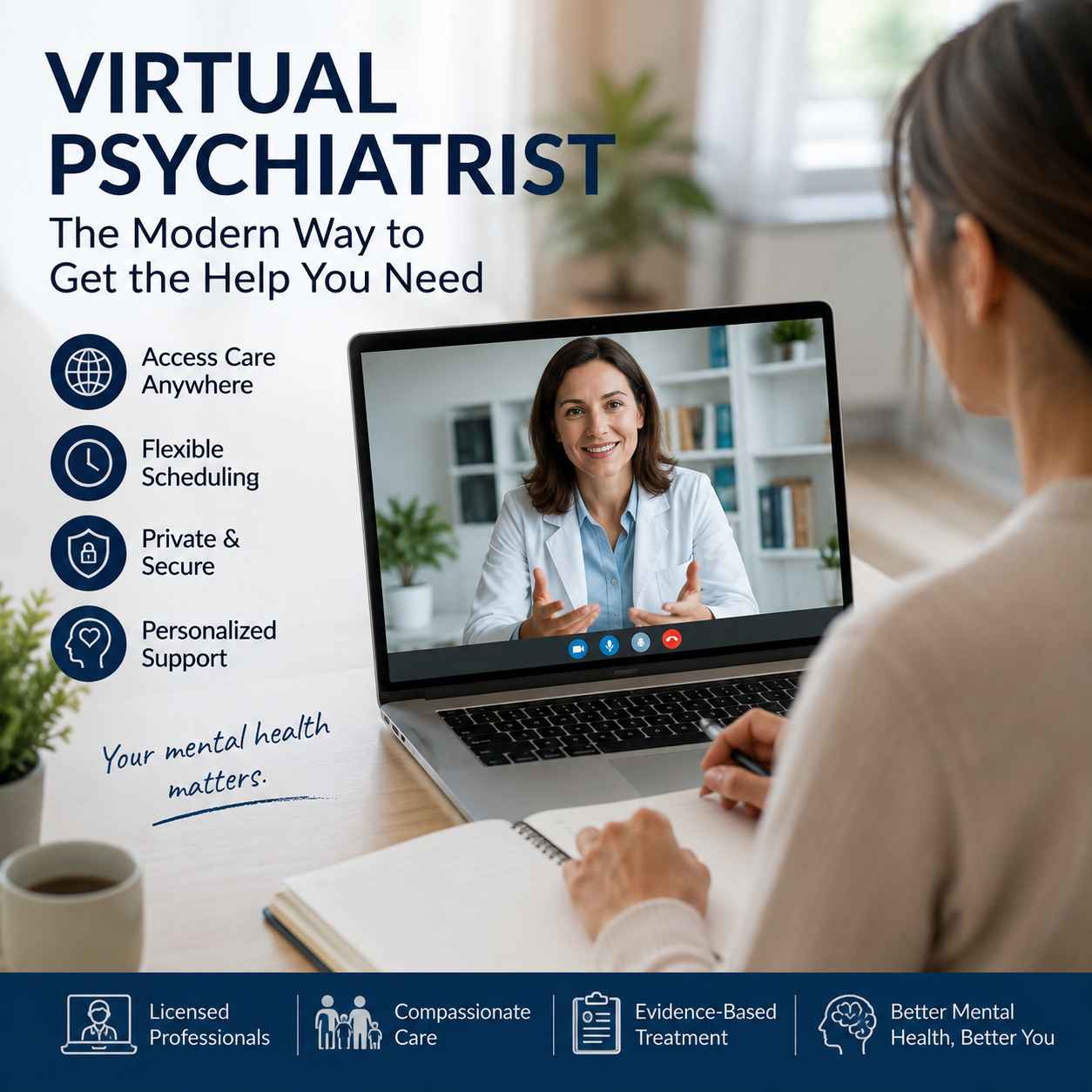
The process usually begins with an initial telehealth appointment, much like any other psychiatric consultation. The provider gathers a full history: current symptoms, past diagnoses, previous medication trials, family history of mental illness, and any relevant physical health conditions. If the patient has struggled with multiple medications without success, has experienced unusual or severe side effects, or has a complicated psychiatric history, the psychiatrist may recommend pharmacogenomic testing as a next step.
Ordering the test remotely is straightforward. Many labs now mail a collection kit directly to the patient’s home. The patient swabs their cheek, packages the sample, and sends it back using a prepaid envelope. Because the entire process happens outside a traditional office, it fits naturally into virtual care, no in-person lab visit required.
Once results are available, the virtual psychiatrist reviews them during a follow-up session. This is often where the real value of telehealth becomes apparent. Rather than waiting weeks for an in-person appointment, patients can typically get on a video call within days to discuss what the results mean for their treatment plan. The psychiatrist walks through the report, explains which medication categories may be better suited to the patient’s metabolism, and adjusts the treatment plan accordingly. This might mean switching to a different drug class entirely, adjusting a dose, or simply proceeding with more confidence on a current medication that the test confirms is a reasonable fit.
Ongoing care continues virtually as well. Follow-up appointments to monitor symptoms, side effects, and overall progress can happen through video or phone visits, meaning the entire journey, from initial evaluation to genetic testing to medication management, can take place without the patient ever needing to sit in a waiting room. For people in rural areas, those with mobility limitations, busy professionals, or anyone who simply prefers the convenience of care from home, this model removes friction at every step.
The Benefits of Combining Telehealth With Genetic Insight
There are several clear advantages to this pairing of technology and personalized medicine.
Faster access to informed prescribing. Instead of waiting through multiple medication trials that each take weeks to evaluate, a virtual psychiatrist can use genetic data early in the process to narrow the field of appropriate options. This can shorten the overall time it takes to find an effective treatment, which matters greatly for someone dealing with depression, anxiety, or another condition that affects daily functioning.
Reduced trial and error. Every failed medication trial carries a cost: lost time, unwanted side effects, and the emotional toll of feeling like nothing is working. Pharmacogenomic testing helps flag medications that are unlikely to work well for a specific patient’s biology, allowing the psychiatrist to avoid some of those dead ends from the start.
Better side effect management. Some patients discontinue psychiatric medications because side effects feel intolerable. When a virtual psychiatrist has genetic insight showing that a patient is likely to be a slow metabolizer of a particular drug, they can start at a lower dose or choose an alternative, potentially avoiding uncomfortable side effects altogether.
Increased patient engagement. When patients understand the reasoning behind a medication choice, especially when that reasoning is backed by their own genetic data, they often feel more invested in the treatment plan. This can improve adherence, meaning patients are more likely to take medication consistently and communicate openly about how it’s working.
Convenience without compromising quality. Because the testing kit arrives at home and results are reviewed over video, patients get the benefits of advanced diagnostic tools without needing to travel to a specialty clinic. This is particularly meaningful for people in areas with limited access to psychiatric specialists who have experience with pharmacogenomics.
A more collaborative relationship with the provider. Reviewing genetic results together gives patients and psychiatrists a shared reference point for discussing options. Rather than a provider making a recommendation that feels arbitrary, the conversation becomes grounded in specific, personal data, which can make the whole process feel less like guesswork and more like a partnership.
What Patients Should Know Before Pursuing This Option
While pharmacogenomic testing offers real advantages, patients considering this route with a virtual psychiatrist should keep a few things in mind.
First, not everyone needs this testing. It tends to be most useful for people who have already tried one or more medications without success, experienced significant side effects, or have a complicated psychiatric or medical history. For someone starting psychiatric treatment for the first time with a straightforward presentation, standard prescribing practices may work perfectly well without additional testing.
Second, insurance coverage varies. Some insurance plans cover pharmacogenomic testing when there is documented history of medication trials that didn’t work, while others may require the patient to pay out of pocket. It’s worth asking the provider or their billing team about cost before moving forward, since prices for these panels can range considerably depending on the lab and the scope of genes tested.
Third, results take time to interpret correctly. The report itself can be dense, filled with enzyme names and metabolizer categories that mean little without clinical context. This is exactly why the involvement of a qualified virtual psychiatrist matters. Reading a report is one thing; knowing how to translate it into a safe, effective treatment plan for a specific patient is another skill entirely, one that requires training and experience.
Fourth, genetics is not destiny. A test might indicate that a patient is likely to respond well to a certain medication class, but individual factors such as stress levels, sleep, diet, co-occurring health conditions, and other medications can still influence outcomes. Pharmacogenomic data should inform, not dictate, the treatment plan.
Finally, follow-up matters just as much as the testing itself. The value of genetic testing is realized through the conversation that happens afterward, when the psychiatrist and patient work together to interpret results and adjust the plan. Choosing a provider who takes time to explain findings clearly, answers questions, and continues to monitor progress after any medication change is just as important as the testing itself.
Conclusion
Personalized psychiatric care has come a long way from the days of relying purely on trial and error. By combining the convenience and accessibility of telehealth with the precision of pharmacogenomic testing, a virtual psychiatrist can offer patients a more informed, efficient, and collaborative path toward mental wellness. This approach doesn’t replace clinical expertise or eliminate the need for careful monitoring, but it does provide a valuable layer of insight that can shorten the search for an effective medication and reduce unnecessary side effects along the way.


