
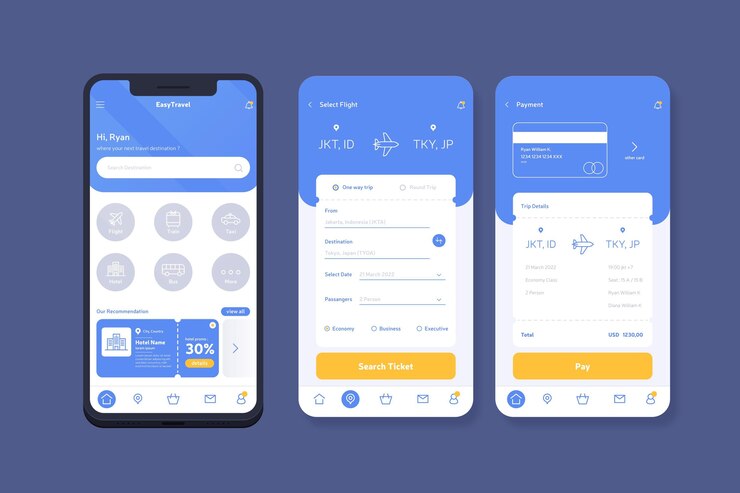
Running a travel business involves much more than selling flights, hotels, or holiday packages. Travel agencies have to manage customer inquiries, reservations, payments, supplier information, itineraries, follow-ups, and last-minute changes, often at the same time. When these tasks are handled through separate spreadsheets, emails, messaging apps, and manual records, even a small increase in bookings can make daily operations difficult to control.
Modern travel companies are therefore looking for practical technology that can bring routine work into one organized environment. The right software can help teams spend less time searching for information and more time serving travelers. It can also make internal processes easier to monitor, reduce avoidable mistakes, and give business owners a clearer picture of what is happening across their operations.
Why Travel Businesses Need Better Operational Tools
For many agencies, growth creates a simple but important problem. More customers mean more bookings, more questions, more documents, and more follow-ups. Without an organized system, employees may have to enter the same information several times or search through different platforms to find a customer’s latest request. These small inefficiencies can gradually affect the overall customer experience.
Good software for travel business operations is designed to reduce this unnecessary manual work. Instead of keeping important details scattered across different tools, an agency can organize customer information, booking records, schedules, and other operational details in a connected workflow. This gives staff a clearer view of each booking and helps them handle tasks in a more consistent way.
The goal is not simply to automate everything. Travel is still a people-focused industry, and customers often need personal assistance when plans change. Useful software should support employees rather than remove the human side of travel services. It should make routine work easier while allowing staff to focus on communication, problem solving, and customer care.
Making Customer Handling More Organized
A travel agency can receive inquiries through its website, phone calls, email, social media, and direct messages. Managing these conversations becomes difficult when customer information is stored separately. A request can easily be overlooked, especially when several employees are dealing with different travelers at once.
A centralized system gives staff a better way to keep customer details and booking-related information together. Team members can understand what a traveler has requested, what has already been discussed, and what action needs to happen next. This is particularly useful when one employee is unavailable and another team member needs to continue the conversation.
Follow-ups are another important part of travel sales. A customer who asks for a quotation today may not be ready to book immediately. Organized software can help teams keep track of pending inquiries so potential customers do not disappear simply because someone forgot to follow up.
Supporting Direct Online Bookings
Travelers increasingly expect to research and book services without waiting for an agent to respond to every basic request. A well-designed B2C Travel Portal can give customers a convenient online environment where they can explore available travel services and move through the booking process at their own pace.
For an agency, this can create a more flexible sales channel. Customers may be able to access information outside normal office hours, while employees can concentrate on inquiries that actually require personal assistance. The portal can also provide a more consistent experience because customers interact with structured booking information rather than receiving different details from different employees.
However, an online portal should not be treated as a replacement for good service. Customers still value assistance when they have special requirements, complicated itineraries, or questions about their booking. The strongest approach combines self-service options with accessible human support.
Connecting Bookings With Daily Operations
A booking is only one part of a travel transaction. Once a customer confirms a trip, the agency may still need to coordinate payments, confirmations, documents, schedules, hotel details, transportation, and other arrangements. Managing each part manually can create unnecessary pressure for staff.
This is where connected travel technology becomes especially useful. Instead of treating every task as a separate activity, an agency can build workflows around the complete customer journey. Information entered during the booking process can help support later operational tasks, reducing repeated data entry.
Integration also matters when an agency works with external travel suppliers or booking services. APIs can allow different systems to exchange relevant information, depending on the integrations available. This can help agencies build a more connected operation instead of relying entirely on manual updates.
The practical benefit is better visibility. When employees can see the current status of a booking and related tasks, they are less likely to miss important details. Managers can also identify delays or pending work before those issues become customer complaints.
Using Synch Travel to Bring Travel Workflows Together
As travel businesses expand, choosing a system that fits their actual workflow becomes more important than simply selecting software with a long list of features. Synch Travel can be considered by agencies looking for a travel technology platform that brings different operational needs into a more organized environment.
A useful travel platform should make everyday work easier for the people who use it. Staff should be able to understand the system without spending excessive time learning complicated processes. At the same time, business owners need enough visibility to understand bookings, customer activity, and operational performance.
The right solution will also depend on the type of agency. A company focused on leisure travel may have different requirements from a corporate travel provider, tour operator, or agency serving international customers. Before adopting any platform, businesses should consider their booking process, team structure, supplier connections, customer journey, and future plans.
Technology should fit the business rather than forcing the business to completely change the way it works.
Automating Repetitive Tasks Without Losing Personal Service
Automation is one of the most useful aspects of modern travel software, but it needs to be applied carefully. Not every customer interaction should become an automated message. Some travelers have detailed questions that require an experienced employee to understand the situation and provide an appropriate response.
Automation works best for predictable tasks. For example, businesses may use automated workflows for booking confirmations, reminders, internal notifications, or routine follow-ups where the system supports those functions. This gives employees more time to deal with tasks that require judgment and personal communication.
Another advantage is consistency. When repetitive processes follow a defined workflow, there is less dependence on individual employees remembering every step. This can be particularly helpful when an agency has several team members working on similar bookings.
The best travel operations usually combine automation with human oversight. Software handles structured tasks, while employees remain responsible for decisions and customer relationships.
Improving the Experience for Travel Staff
Customer experience often starts behind the scenes. If employees struggle to find booking information or constantly switch between different systems, customers may notice delays and inconsistent communication.
An organized platform can improve the working environment by giving employees a clearer process. Instead of asking colleagues for information or searching through old messages, staff can work from a shared source of relevant booking details. This can make collaboration easier, especially when multiple people are involved in the same customer journey.
Training is also important. Even capable software can create problems if employees do not understand how to use it properly. Travel businesses should choose systems with practical workflows and provide their teams with enough guidance to use the available features confidently.
A simple process that employees actually use is often more valuable than a complicated system filled with features that remain untouched.
What to Consider Before Choosing Travel Software
There is no single solution that will suit every travel business. Before making a decision, an agency should first identify the problems it wants the software to solve.
Start by looking at current operations. Where is the team spending the most time? Are customer records difficult to manage? Are booking details being entered repeatedly? Are follow-ups being missed? Is there a lack of visibility between sales and operations? Clear answers to these questions make it easier to evaluate potential platforms.
Businesses should also consider scalability. A system that works for a small team may need to support more users, bookings, destinations, and workflows as the company grows. Integration capabilities, reporting, security, usability, customer support, and customization can also be important depending on the agency’s requirements.
Cost should be considered, but it should not be the only deciding factor. The more useful question is whether the software can reduce operational friction and help the team work more effectively over time.
Building a Stronger Travel Business Through Better Processes
Technology alone does not create business growth. A travel agency still needs reliable service, knowledgeable staff, attractive travel products, effective sales practices, and strong relationships with customers. Software becomes valuable when it supports these fundamentals instead of distracting from them.
Better systems can help an agency create smoother workflows, respond to customers more efficiently, organize bookings, and manage everyday responsibilities with greater clarity. As the business grows, these improvements can become increasingly important because manual processes that were manageable with a small number of bookings may become difficult at a larger scale.
The most effective travel technology is therefore not necessarily the software with the most impressive feature list. It is the system that solves real operational problems, fits the team’s working style, and provides room for the business to develop.
Conclusion
Travel businesses operate in an industry where timing, accuracy, and customer communication matter every day. As booking volumes and customer expectations increase, relying entirely on manual processes can make growth harder than it needs to be.
A well-chosen travel technology solution can bring customer management, bookings, operational workflows, automation, and online sales into a more organized structure. More importantly, it can give travel professionals the time and visibility they need to focus on what matters most, delivering a smooth and dependable experience to their customers.
For agencies planning their next stage of growth, the right approach is to start with their actual operational challenges and then choose technology that addresses those needs. When software supports people, simplifies processes, and connects important parts of the travel journey, it becomes more than a digital tool. It becomes part of a stronger and more manageable way to run the business.

