
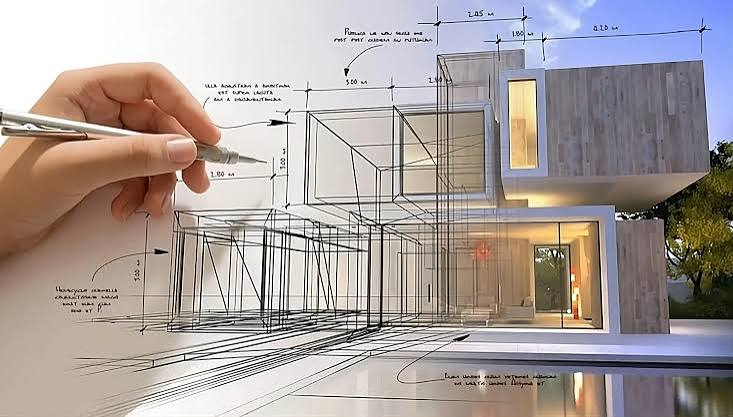
Accurate cost planning is the difference between a smooth residential build and a project that bleeds money through change orders, material surprises, and schedule delays. Homeowners, builders, and developers all benefit when the budget is built on real quantities and current pricing—not guesses. At Paradise Estimating, the goal is simple: help project teams see the true cost picture early so they can make confident decisions before construction starts.
The role of preconstruction budgeting
Strong residential estimating services don’t just total up materials—they translate design intent into a buildable, financeable plan. A detailed estimate helps you understand where costs are concentrated (foundation, framing, MEP, finishes), and it creates a baseline you can manage throughout the project. When the budget is set with clear assumptions and measurable quantities, you can value-engineer intelligently instead of cutting critical items late.
Turning plans into measurable quantities
The foundation of any reliable estimate is accurate quantity measurement, and that’s where residential takeoff services come in. Takeoffs convert drawings into counts and measurements for concrete, lumber, drywall, roofing, doors, windows, and more. With the right workflows and software, takeoffs reduce errors caused by missing scope, misread drawings, or inconsistent measurement standards—helping you avoid under-ordering, over-ordering, and costly last-minute purchases.
Getting support that fits your location and timeline
Many contractors search for residential estimating near me because local pricing, labor availability, and typical construction methods can affect real-world costs. Even when estimating is performed remotely, the best results come from pairing disciplined quantity work with region-aware cost data and supplier realities. This combination helps keep budgets aligned with what trades are actually charging—and what materials are actually costing—today.
What professional estimating should include?
A dependable residential estimator provides more than a single number on the last page. You should expect a clear breakdown that makes the estimate usable for bidding, budgeting, and procurement, such as
- Scope-based divisions (site work, structural, architectural, MEP, finishes)
- Material and labor line items with transparent assumptions
- Allowances and exclusions clearly labeled
- Alternate options for cost-saving comparisons
- A summary that highlights major cost drivers and risk areas
When you need on-demand estimating capacity
If you’re juggling multiple bids or a fast-moving design timeline, you may find yourself searching for a residential estimator near me to fill gaps quickly. The real need is often responsiveness and accuracy—someone who can review plan revisions, incorporate addenda, and turn around pricing in time to win work without sacrificing detail. Quick estimates are useful, but quick and defensible estimates are what protect margins.
Using cost information to guide decisions
True residential estimation is a decision-making tool, not a clerical step. With a structured estimate, you can compare finish levels, evaluate structural options, plan phase-based construction, and set realistic contingencies based on project complexity. It also supports better conversations with clients and lenders, because the budget is tied to quantities and scope rather than broad “per square foot” assumptions.
How to choose the right partner for long-term results
Hiring a qualified residential estimating company should feel like adding a preconstruction teammate—someone who can standardize your bidding process and help you scale. Paradise Estimating supports builders and contractors by delivering clear takeoffs, detailed estimate reports, and consistent documentation that’s easy to review and share with stakeholders. Look for a partner who communicates well, flags scope gaps early, and formats reports in a way your team can use immediately.
