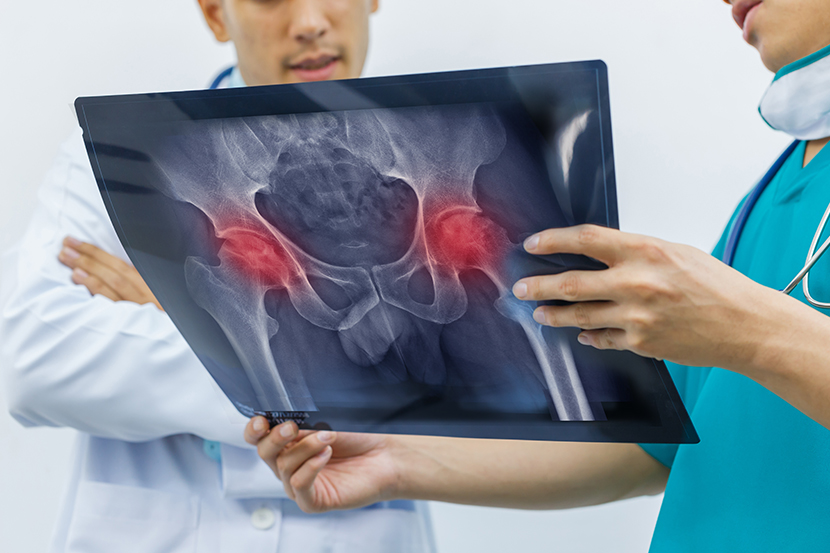
Hip pain can gradually affect walking, exercise, work, sleep, and everyday independence. For selected patients with advanced hip joint damage, hip resurfacing can be an alternative to conventional total hip replacement. Unlike total hip replacement, the procedure preserves more of the natural femoral bone by reshaping the femoral head and placing a cap over it while replacing the damaged surface of the socket.
Understanding the recovery process is important before deciding whether surgery is appropriate. Recovery does not happen at the same speed for everyone. Age, bone quality, overall health, muscle strength, surgical technique, rehabilitation, and the patient’s activity level can all influence progress.
For many patients, the early phase focuses on controlling discomfort, protecting the surgical area, and gradually restoring movement. Walking assistance may be required initially, followed by progressive physiotherapy and strengthening. The American Academy of Orthopaedic Surgeons notes that many patients return to regular daily activities at around six weeks, although complete recovery can take several months.
The following guide explains what patients may expect during the different stages of recovery after Hip Resurfacing Surgery in Dubai while emphasizing that the treating orthopaedic surgeon’s instructions should always take priority.
Understanding the Hip Resurfacing Recovery Process
Hip resurfacing is generally considered for carefully selected patients, particularly those with painful hip arthritis who may benefit from preserving more of the femoral bone. It is not suitable for everyone, especially people with poor bone quality or certain medical conditions.
Recovery begins immediately after the procedure. Depending on the surgeon’s assessment and bone strength, some patients can begin putting weight through the operated leg soon after surgery. Walking aids such as crutches, a walker, or a cane may be used for several days or weeks.
The First Few Days
The initial days are primarily about safe movement and monitoring the surgical site. Patients may experience soreness, swelling, stiffness, and fatigue.
A physiotherapist may introduce simple movements and walking exercises while the patient is still under medical supervision. The goal is not to walk normally immediately, but to move safely while allowing the tissues to begin healing.
Hospital discharge varies according to the individual’s progress. AAOS states that patients commonly leave the hospital within one to four days following hip resurfacing.
The First Two Weeks
During the first couple of weeks, walking can gradually become easier, although a limp or stiffness may remain. Some patients continue using two crutches or another walking aid during this stage.
Physical therapy becomes particularly important. Exercises are designed to restore hip movement, improve muscle activation, and gradually rebuild strength. A Royal Berkshire NHS rehabilitation guide advises patients to increase walking gradually and continue using walking aids outdoors until they can walk confidently without a limp.
Patients should avoid treating early improvement as a signal to immediately return to strenuous activity. The hip may feel better before the underlying tissues have completely recovered.
Weeks Three to Six
This period often brings noticeable functional improvement. Walking distances can increase progressively, and dependence on crutches or a cane may decrease when the surgeon or physiotherapist considers it appropriate.
Many patients begin feeling more independent with routine activities during this stage. However, swelling, muscular weakness, and reduced flexibility can still occur.
Around six weeks, some patients may resume many normal daily activities. AAOS reports that regular activities of daily living are often possible at approximately this point, although individual recovery varies considerably.
Returning to driving, work, lifting, or specific exercises should not be based solely on a general timeline. These activities should be cleared by the treating team according to mobility, strength, pain control, medication use, and the demands involved.
Six to Twelve Weeks
The focus generally shifts toward building strength, improving balance, and restoring more natural movement.
Patients who have sedentary occupations may be able to return to work earlier than those whose jobs require prolonged standing, climbing, heavy lifting, or physically demanding movements. Cleveland Clinic notes that people with less physically demanding work may need only a week or two away, while more strenuous occupations can require a longer recovery period.
More demanding exercise should be introduced gradually. The surgeon and physiotherapist can determine when activities such as cycling, swimming, gym-based strengthening, or other sports are appropriate.
When Does Full Recovery Usually Happen?
There is no single date that defines complete recovery after hip resurfacing. Everyday independence may return within several weeks, while strength, flexibility, confidence, and endurance can continue improving for several months.
Cleveland Clinic describes complete recovery as generally taking a few months, with physical therapy often continuing for several weeks.
This distinction matters because feeling comfortable walking does not necessarily mean the hip has reached its final level of strength. Rehabilitation should continue according to the prescribed program rather than stopping as soon as pain decreases.
Clinics and Care Options to Consider
Enfield Royal Clinic
Enfield Royal Clinic focuses primarily on aesthetic, wellness, and plastic surgery services rather than presenting itself as a dedicated orthopaedic hip-resurfacing center. Its published services include plastic surgery, body sculpting, dental care, skin treatments, and hair restoration.
For someone researching Hip Resurfacing Surgery, it is therefore important to confirm directly whether the clinic currently provides this specific orthopaedic procedure or facilitates consultation with an appropriately qualified hip surgeon. A specialist assessment should establish whether resurfacing is medically suitable before any treatment decision is made.
Emirates Hospitals
Emirates Hospitals has a dedicated orthopaedic service covering hip conditions, joint replacement, and hip surgery. Its published hip pain service specifically lists hip resurfacing among its surgical and restorative interventions, alongside hip arthroscopy, hip replacement, revision surgery, and other procedures.
The hospital also describes multidisciplinary care involving orthopaedic specialists, physiotherapists, rehabilitation professionals, and advanced imaging. Its joint replacement services include individualized rehabilitation programs designed to restore strength, flexibility, and range of motion.
For patients considering resurfacing, this type of multidisciplinary pathway can be valuable because recovery involves considerably more than the operation itself.
Dynamic Life Clinic
Dynamic Life Clinic can be included among healthcare options patients may investigate, but patients should verify whether a dedicated orthopaedic hip-resurfacing service and appropriately qualified hip surgeon are currently available before booking.
For a procedure as specialized as Hip Resurfacing Surgery, the key consideration should be the surgeon’s specific experience with hip preservation and resurfacing rather than simply the clinic’s general medical or surgical profile.
Tajmeels Clinic
Tajmeels Clinic describes itself as a cosmetic and aesthetic clinic offering procedures such as plastic surgery, cosmetic injections, hair transplantation, dermatology, and other aesthetic treatments.
Because hip resurfacing is a specialist orthopaedic procedure, prospective patients should confirm directly whether the requested treatment is currently offered through an appropriately credentialed orthopaedic service. If it is not, the patient should seek a dedicated hip and joint specialist instead.
How to Choose the Right Clinic for Hip Resurfacing Surgery
Experience and Qualifications
The surgeon’s qualifications and specific experience with hip resurfacing should be among the first things to investigate. Hip resurfacing requires careful patient selection, implant positioning, and management of the femoral bone.
Ask about the surgeon’s orthopaedic specialization, experience with resurfacing procedures, and familiarity with different hip-preservation approaches.
Technology and Techniques
Modern imaging and planning technologies can assist with assessment and surgical planning. Emirates Hospitals, for example, describes advanced imaging, customized 3D planning, computer-assisted procedures, and robotic-assisted hip procedures within its orthopaedic services.
However, technology should complement, rather than replace, specialist clinical judgment.
Safety Standards
Patients should look for an appropriately licensed surgical facility with established protocols for anesthesia, infection prevention, blood-clot prevention, postoperative monitoring, and emergency management.
A reputable provider should also explain potential complications rather than presenting surgery as risk-free. Possible complications of hip resurfacing include infection, blood clots, dislocation, femoral neck fracture, and anesthesia-related complications.
Consultation Process
A thorough consultation should include medical history, physical examination, imaging, discussion of symptoms, and assessment of bone quality and joint damage.
The consultation should also address whether resurfacing is actually preferable to total hip replacement for the individual patient. Age alone does not determine suitability.
Patient Experience
A strong recovery pathway extends beyond surgery. Patients should understand who will manage their physiotherapy, when follow-up appointments occur, how walking progression will be monitored, and whom to contact if symptoms become concerning.
Clear communication can make the recovery process easier to manage and helps patients understand realistic milestones.
Expected Results
The purpose of resurfacing is to reduce pain and improve hip function while preserving more of the patient’s natural femoral bone than conventional total hip replacement. However, results vary, and no surgical procedure can guarantee a particular outcome.
The Royal Orthopaedic Hospital notes that hip resurfacing has traditionally been used particularly for younger, active patients, while newer resurfacing technologies continue to evolve.
Frequently Asked Questions
How long does recovery take after Hip Resurfacing Surgery?
Many patients regain routine daily function within around six weeks, but complete recovery commonly takes several months. Strength and endurance may continue improving beyond the initial recovery period.
When can I walk after hip resurfacing?
Walking often begins soon after surgery, depending on the surgeon’s instructions, bone strength, and individual condition. Crutches, a walker, or a cane may be needed temporarily.
How long will I need physiotherapy?
The duration varies, but physical therapy commonly continues for several weeks and is adjusted according to strength, range of motion, walking ability, and functional goals.
When can I return to sports?
The timing depends heavily on the sport and individual recovery. High-impact activities should not be resumed simply because everyday walking has become comfortable. The surgeon and physiotherapist should provide specific clearance.
Is hip resurfacing suitable for everyone?
No. Patient selection is important. Hip resurfacing may not be appropriate for people with weaker bones or certain types of joint damage. A specialist assessment and imaging are necessary to determine suitability.
Conclusion
A successful recovery after Hip Resurfacing Surgery is a gradual process rather than a single milestone. The first days focus on safe mobility, the following weeks emphasize walking and rehabilitation, and later stages concentrate on rebuilding strength and returning to normal activities. Although many patients regain everyday function around six weeks, complete recovery can take several months.
Choosing an experienced orthopaedic team, understanding the rehabilitation pathway, and following individualized medical instructions can help patients approach recovery with realistic expectations. Most importantly, the decision to undergo resurfacing should be based on a detailed assessment by a qualified hip specialist rather than a generic recovery timeline.