New Orleans stands as one of the most culturally rich and vibrant cities in the United States, celebrated worldwide for its unique music, architecture, and above all, its legendary cuisine. Every meal in this historic city tells a story of survival, celebration, and fusion, blending diverse cultural roots into flavors that dance across the palate. Visitors and locals alike find themselves captivated by the aromatic scents drifting from neighborhood kitchens, where centuries old recipes are passed down through generations with immense pride and passion. The city operates as a living testament to how food bridges cultural divides, creating a universal language of hospitality that welcomes every traveler with open arms and a full plate.
The culinary landscape of Louisiana is a masterpiece shaped by French, Spanish, African, German, and Caribbean influences. This remarkable melting pot created two distinct yet deeply intertwined culinary traditions known as Creole and Cajun cooking. While Creole cuisine often reflects urban elegance with rich sauces and sophisticated techniques, Cajun cooking embodies hearty, rustic country flavors born from the Acadian settlers who made the bayous their home. Understanding these traditions unlocks a deeper appreciation for why food is treated almost like a religion in this enchanting southern metropolis, where every ingredient carries the weight of history and geographic heritage.
For anyone eager to move beyond simply tasting these iconic dishes and wanting to recreate them at home, participating in Cooking classes in New Orleans offers the ultimate immersive experience. Expert chefs guide participants through the precise techniques, spice combinations, and historical contexts that make local gastronomy so extraordinary. Engaging in these interactive sessions transforms a standard vacation into an unforgettable culinary journey, equipping food enthusiasts with the skills to impress family and friends with authentic Louisiana flavors long before they return home. These learning environments foster genuine connections among food lovers who share a common passion for authentic cultural exploration.
The Vibrant Culinary History of New Orleans
New Orleans has long maintained a reputation as a global culinary capital where every dish represents a living museum of history. The city was founded by the French in the early eighteenth century and later governed by the Spanish before becoming part of the United States through the Louisiana Purchase. Each group of settlers brought their own distinct culinary heritage, agricultural practices, and cooking methods. Furthermore, enslaved Africans and free people of color played a foundational role in shaping the local palate, introducing complex seasoning profiles, okra, yams, rice preparations, and frying techniques that became permanent pillars of southern cooking.
The influx of German and Italian immigrants in the nineteenth century further enriched the food culture, adding artisanal baking, fresh pasta influences, and distinctive neighborhood grocery traditions. This dynamic blending of cultures created an environment where food is not merely sustenance but a vibrant expression of identity, resilience, and community celebration.
Understanding the Distinction Between Creole and Cajun Cuisine
Many visitors often use the terms Creole and Cajun interchangeably, yet culinary purists know these two traditions possess distinct historical and geographical characteristics. Creole cuisine originated in the urban environment of New Orleans among the descendants of French and Spanish settlers, often wealthy aristocrats who employed talented European and African trained chefs. This urban style is characterized by refined techniques, rich cream sauces, tomatoes, butter, and sophisticated herb blends that reflect European culinary foundations adapted to local ingredients.
Conversely, Cajun cuisine developed in the rural expanses of southwest Louisiana by Acadian exiles who relied heavily on wild game, seafood, local pork, and whatever vegetables they could cultivate or forage in the harsh swamplands. Cajun cooking focuses on resourceful preservation, deep earthy flavors, roux based gravies, and a generous use of the holy trinity consisting of onions, celery, and bell peppers. Today, both styles coexist harmoniously in New Orleans restaurants and home kitchens alike, inspiring contemporary chefs to blend urban elegance with rustic charm.
Essential Ingredients That Define Authentic Louisiana Cooking
Achieving the signature flavor profile of Louisiana dishes requires familiarity with specific pantry staples and fresh local ingredients that reflect the bounty of the region. The foundation of savory dishes almost always begins with the holy trinity, a vegetable base of diced yellow onions, crisp celery, and green bell peppers sauteed gently in oil or rendered pork fat. Garlic follows closely behind as an indispensable aromatic element that deepens the savory base of soups, gumbos, and stews.
When it comes to seasoning, cayenne pepper, smoked paprika, thyme, oregano, and fil powder derived from dried sassafras leaves provide signature warmth and earthy complexity. Seafood occupies a starring role in the local diet, with Gulf shrimp, crawfish, oysters, and blue crab featuring prominently in gumbos, bisques, and seafood boils. Additionally, high quality long grain rice serves as the reliable canvas that absorbs rich gravies and complex sauces across countless traditional recipes.
Mastering the Fundamentals of Making a Perfect Roux
No discussion of New Orleans cooking is complete without exploring the art of the roux, a cooked mixture of flour and fat that serves as the essential thickener and flavor base for gumbos, etouffees, and various sauces. Creating a proper roux requires patience, constant attention, and steady stirring over medium low heat to prevent burning. Depending on the desired recipe, a cook might prepare a blonde roux for light seafood sauces, a peanut butter colored roux for certain gravies, or a dark brick red roux for robust chicken and sausage gumbos.
The darker the roux becomes, the deeper and more complex its nutty flavor grows, though it simultaneously loses some of its thickening power. Mastering this single technique separates novice kitchen dabblers from confident culinary practitioners who can coax extraordinary depth and character from simple kitchen staples.
Exploring Classic New Orleans Dishes Every Food Lover Must Learn
Stepping into the world of Louisiana gastronomy introduces a parade of legendary dishes that have achieved international renown and adoration. Seafood gumbo stands out as a masterpiece of texture and flavor, combining a dark roux, robust stock, tender okra or fil powder, and an abundance of local seafood or smoked meats. Jambalaya offers another crowd pleasing favorite, marrying rice, meats, and vegetables in a single pot using either the Creole method with tomatoes or the Cajun brown method without them. Crawfish etouffee delights diners with its rich buttery sauce smothering tender tail meat served over a bed of fluffy white rice.
Red beans and rice, traditionally prepared on Mondays using leftover Sunday ham bones, represents the ultimate comfort food combining creamy legumes with aromatic seasonings and spicy sausage. For dessert, traditional pralines offer a sweet conclusion with their creamy blend of caramelized sugar, butter, and pecans, satisfying anyone with a sweet tooth.
Discover the Magic at The Mardi Gras School of Cooking
For travelers and residents seeking an authentic culinary education, visiting The Mardi Gras School of Cooking provides an extraordinary opportunity to dive deep into local traditions. This renowned establishment offers engaging educational experiences designed to teach students the secrets behind classic New Orleans cuisine in a welcoming and lively atmosphere. Expert instructors share insider tips, historical anecdotes, and professional techniques that demystify complex recipes and make them accessible to everyone.
Participants learn how to build flavors from scratch, balance spices, and master essential cooking methods that they can easily replicate in their own home kitchens. Choosing to learn through The Mardi Gras School of Cooking guarantees a memorable adventure that celebrates the joyful spirit, infectious energy, and rich heritage of Louisiana food culture.
Why Culinary Education Elevates Your Home Cooking Skills
Investing time in structured cooking education delivers benefits that extend far beyond a single meal or vacation memory. Many home cooks struggle with following recipes blindly without truly understanding the chemistry and philosophy behind flavor development and ingredient interaction. Participating in professional instructional sessions teaches individuals how to trust their senses, taste and adjust seasonings dynamically, and substitute ingredients effectively based on seasonal availability.
This foundational knowledge builds immense kitchen confidence, turning cooking from a stressful nightly chore into a creative and rewarding hobby. Furthermore, being able to recreate restaurant quality meals at home allows individuals to host memorable dinner parties, delight family members with wholesome dishes, and preserve traditional recipes for future generations to enjoy.
What to Expect During a Professional Culinary Workshop
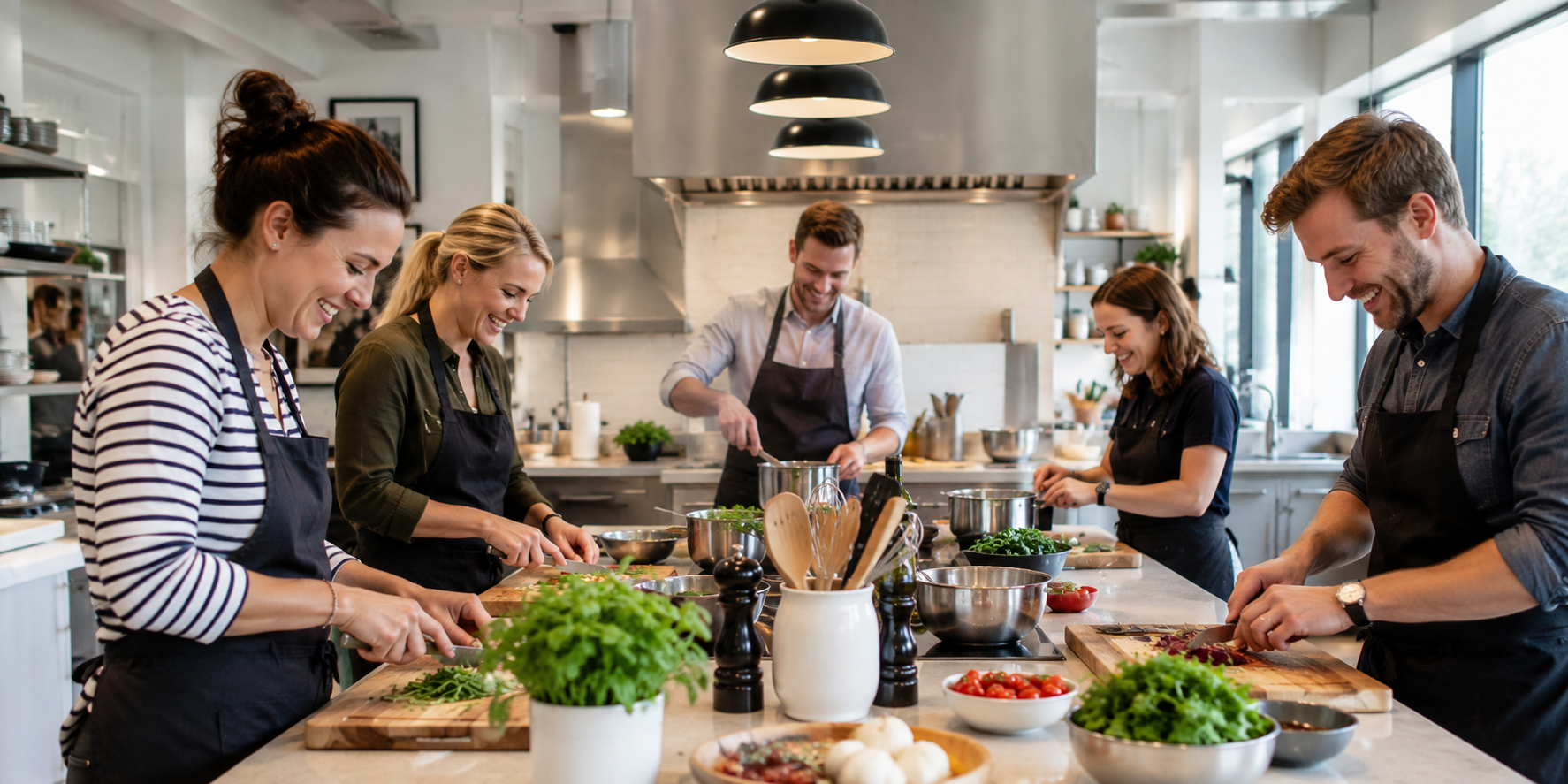
Attending a professional cooking workshop is designed to be an approachable, educational, and thoroughly entertaining experience for participants of all skill levels and backgrounds. Upon arrival, guests are greeted with a warm atmosphere and provided with all necessary tools, fresh ingredients, and protective aprons to ensure a seamless experience. Professional chef instructors lead the session by breaking down complex recipes into clear, manageable steps while sharing fascinating stories about the cultural origins and historical evolution of each dish.
Students actively participate by chopping fresh vegetables, stirring pots, and experiencing firsthand how texture and aroma evolve during the cooking process. The session culminates in a communal dining experience where everyone gathers together to enjoy the delicious feast they created, accompanied by lively conversation and lasting memories.
Frequently Asked Questions
What makes New Orleans cuisine different from standard American food?
New Orleans cuisine is heavily influenced by a unique blend of French, Spanish, African, and Caribbean cultures, resulting in bold flavor profiles, complex spice blends, and specialized techniques like making dark roux that are rarely found in traditional American cooking.
Do I need prior cooking experience to join a class?
No prior experience is necessary as professional classes are designed to accommodate absolute beginners as well as seasoned home cooks, with expert chefs providing clear guidance through every step of the recipe.
What are the signature dishes taught in local culinary workshops?
Popular dishes typically include traditional chicken and sausage gumbo, shrimp and crawfish etouffee, jambalaya, red beans and rice, and sweet pralines or bananas foster for dessert.
How long do typical cooking workshops last?
Most culinary workshops last between two and four hours, providing ample time for instruction, participatory preparation, and a relaxed sit down meal to enjoy the finished dishes.
Why is learning at The Mardi Gras School of Cooking recommended?
The Mardi Gras School of Cooking offers authentic, culturally immersive instruction led by knowledgeable experts who celebrate the true spirit of Louisiana culinary heritage in a fun and welcoming environment.
Conclusion
Exploring the culinary wonders of New Orleans offers a profound connection to a city where history, culture, and flavor converge in every single bite. By understanding the foundational ingredients, mastering classic techniques like the dark roux, and engaging in immersive educational experiences provided by specialized destinations like The Mardi Gras School of Cooking, food lovers can successfully bring authentic southern hospitality into their own homes.
Embracing this culinary journey transforms ordinary meals into extraordinary celebrations of tradition, community, and unforgettable taste.