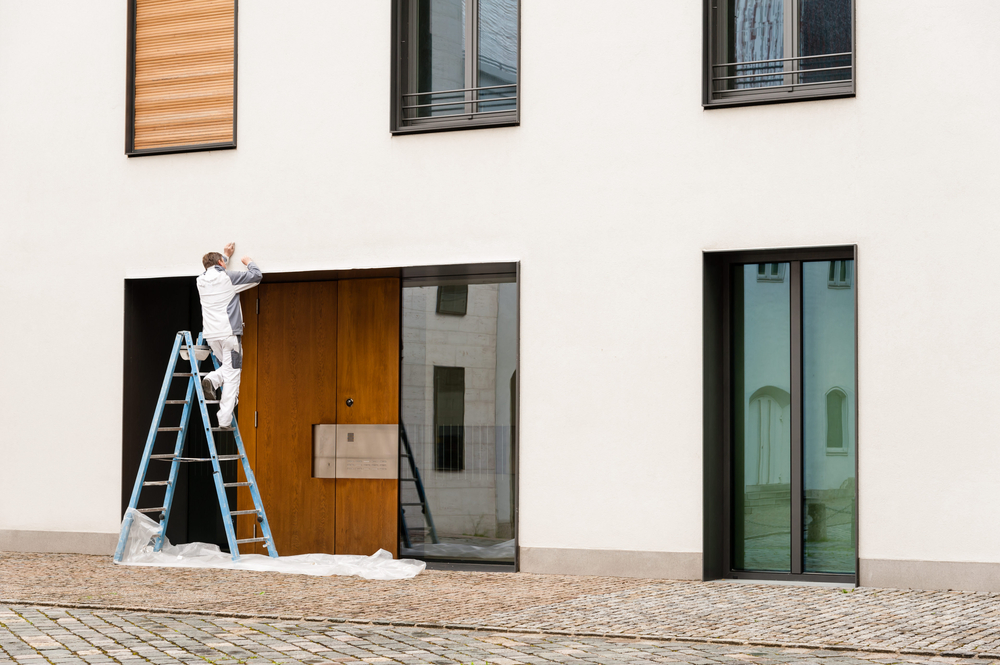
Maintaining a commercial property goes beyond routine cleaning and repairs. The appearance of a building plays a significant role in creating positive first impressions, attracting customers, and preserving property value. A professionally painted building reflects quality, professionalism, and attention to detail while protecting surfaces from environmental damage.
Whether you own an office building, retail store, warehouse, restaurant, or apartment complex, selecting experienced Commercial Painting Contractors can make a significant difference in the final outcome. This guide explains everything property owners should know before hiring a painting company and how to maximize their investment.
Why Professional Painting Matters
Commercial properties experience constant exposure to weather, sunlight, moisture, and daily wear. Over time, paint begins to fade, peel, or crack, reducing both appearance and structural protection.
Professional painters use commercial-grade materials, advanced preparation techniques, and specialized equipment to produce durable finishes. Their work helps protect walls, siding, concrete, metal, and other surfaces from premature deterioration while enhancing the property’s overall appearance.
Regular repainting also supports a business’s image by creating a welcoming environment for employees, customers, and visitors.
Services Typically Offered
Painting companies often provide comprehensive services tailored to different commercial properties. These may include:
- Interior wall painting
- Ceiling painting
- Exterior surface coatings
- Industrial facility painting
- Warehouse painting
- Office repainting
- Retail space painting
- Parking lot striping
- Protective coatings
- Waterproof sealants
- Surface preparation
- Drywall repair
Many companies also provide Exterior House Painting services for residential investment properties, rental communities, and mixed-use developments, making them a versatile choice for property managers.
Benefits of Hiring Commercial Experts
Working with experienced Commercial Painting Contractors offers numerous advantages over attempting large-scale painting projects independently.
High-Quality Surface Preparation
Successful painting begins long before the first coat is applied. Professionals inspect surfaces carefully and perform essential preparation such as:
- Pressure washing
- Sanding
- Scraping loose paint
- Filling cracks
- Repairing damaged drywall
- Priming bare surfaces
Proper preparation significantly improves paint adhesion and extends the lifespan of the finish.
Access to Professional Equipment
Commercial projects often require specialized tools including:
- Boom lifts
- Scaffolding
- Airless sprayers
- Safety harnesses
- Industrial rollers
Using the right equipment improves efficiency while ensuring worker safety throughout the project.
Minimal Business Disruption
Professional crews understand the importance of maintaining business operations. Many schedule work during evenings, weekends, or off-peak hours to minimize interruptions.
Careful planning allows offices, retail stores, schools, and healthcare facilities to continue serving customers while painting progresses.
Choosing the Right Painting Company
Selecting the right contractor requires more than comparing prices. Consider several important factors before making a decision.
Verify Experience
Look for companies with experience handling projects similar to your property type. Commercial painting requires different techniques than residential work due to larger surfaces, higher traffic areas, and stricter safety standards.
Ask to review portfolios showcasing completed projects.
Check Licensing and Insurance
Always confirm the contractor carries appropriate licensing and liability insurance. Workers’ compensation coverage protects both the property owner and employees in case of accidents.
Request proof before signing any agreement.
Read Customer Reviews
Online reviews provide valuable insight into workmanship, communication, scheduling, and professionalism.
Look for consistent positive feedback regarding punctuality, cleanliness, and project completion.
Request Detailed Estimates
A professional estimate should clearly outline:
- Surface preparation
- Paint products
- Number of coats
- Labor costs
- Materials
- Timeline
- Warranty information
Transparent pricing helps avoid unexpected costs later.
Importance of Paint Quality
Premium paints generally provide better durability, color retention, and weather resistance than lower-cost alternatives.
Higher-quality coatings often require fewer maintenance cycles, making them a more economical investment over time.
Professional painters typically recommend products designed specifically for commercial environments, including moisture-resistant, mildew-resistant, and UV-resistant coatings.
Planning Your Painting Project
Successful projects begin with careful planning.
Property owners should determine:
- Budget
- Project timeline
- Desired colors
- Business operating schedule
- Areas requiring repair
- Long-term maintenance goals
Scheduling work during favorable weather conditions also improves exterior paint performance.
Many property managers combine repainting with Exterior House Painting for nearby residential units to maintain a consistent appearance across an entire property.
Color Selection Tips
Color influences customer perception and employee satisfaction.
Neutral colors create a timeless, professional appearance, while bold accent colors can reinforce brand identity.
When choosing colors, consider:
- Company branding
- Building architecture
- Surrounding environment
- Natural lighting
- Maintenance requirements
Professional painters often provide color consultations to help owners make informed decisions.
Safety Standards
Commercial painting frequently involves working at significant heights and around occupied buildings.
Reliable Commercial Painting Contractors follow strict safety procedures, including:
- OSHA compliance
- Protective barriers
- Fall protection systems
- Proper ventilation
- Safe chemical handling
- Personal protective equipment
These practices reduce risks while ensuring projects remain compliant with industry regulations.
Long-Term Maintenance
A freshly painted building lasts longer when properly maintained.
Simple maintenance practices include:
- Annual inspections
- Washing exterior surfaces
- Repairing minor cracks promptly
- Removing mold and mildew
- Addressing moisture issues
- Touching up damaged areas
Routine care helps preserve the appearance and protective qualities of painted surfaces.
Many maintenance plans also include periodic Exterior House Painting for residential buildings located within commercial developments, ensuring a cohesive and attractive property.
Understanding Project Costs
Commercial painting costs vary depending on several factors:
- Building size
- Surface condition
- Accessibility
- Paint quality
- Number of coats
- Repair requirements
- Project complexity
Although the lowest bid may seem appealing, choosing experienced Commercial Painting Contractors often results in better workmanship, fewer repairs, and longer-lasting finishes.
Investing in quality materials and skilled professionals typically reduces maintenance expenses over the life of the paint system.
Final Thoughts
A professionally painted commercial property improves appearance, strengthens brand image, and protects valuable building materials from long-term damage. Careful planning, proper surface preparation, premium materials, and skilled workmanship all contribute to lasting results.
By selecting experienced Commercial Painting Contractors, property owners can confidently enhance their investment while minimizing disruptions to daily operations. Taking the time to evaluate qualifications, compare detailed estimates, and prioritize quality ensures a successful project that delivers value for many years to come.