In Pakistan and many parts of South Asia, tea is more than just a beverage; it is a daily ritual, a comfort drink, and a social connector. Whether it’s morning chai at home, office tea breaks, or evening gatherings with friends, the taste and texture of tea matter deeply. One ingredient that has become increasingly popular for achieving consistent, creamy tea is Tea whitener.
If you want smooth, rich, and perfectly balanced chai every time, understanding tea whitener benefits and uses can help you upgrade your daily tea experience.
What is Tea Whitener?
Tea whitener is a dairy or non-dairy product designed to replace milk in tea. It is specially formulated to dissolve quickly in hot beverages, giving tea a creamy texture and consistent taste.
Unlike regular milk, tea whitener is processed for stability, longer shelf life, and uniform flavor performance. It is widely used in homes, offices, cafés, and food service industries.
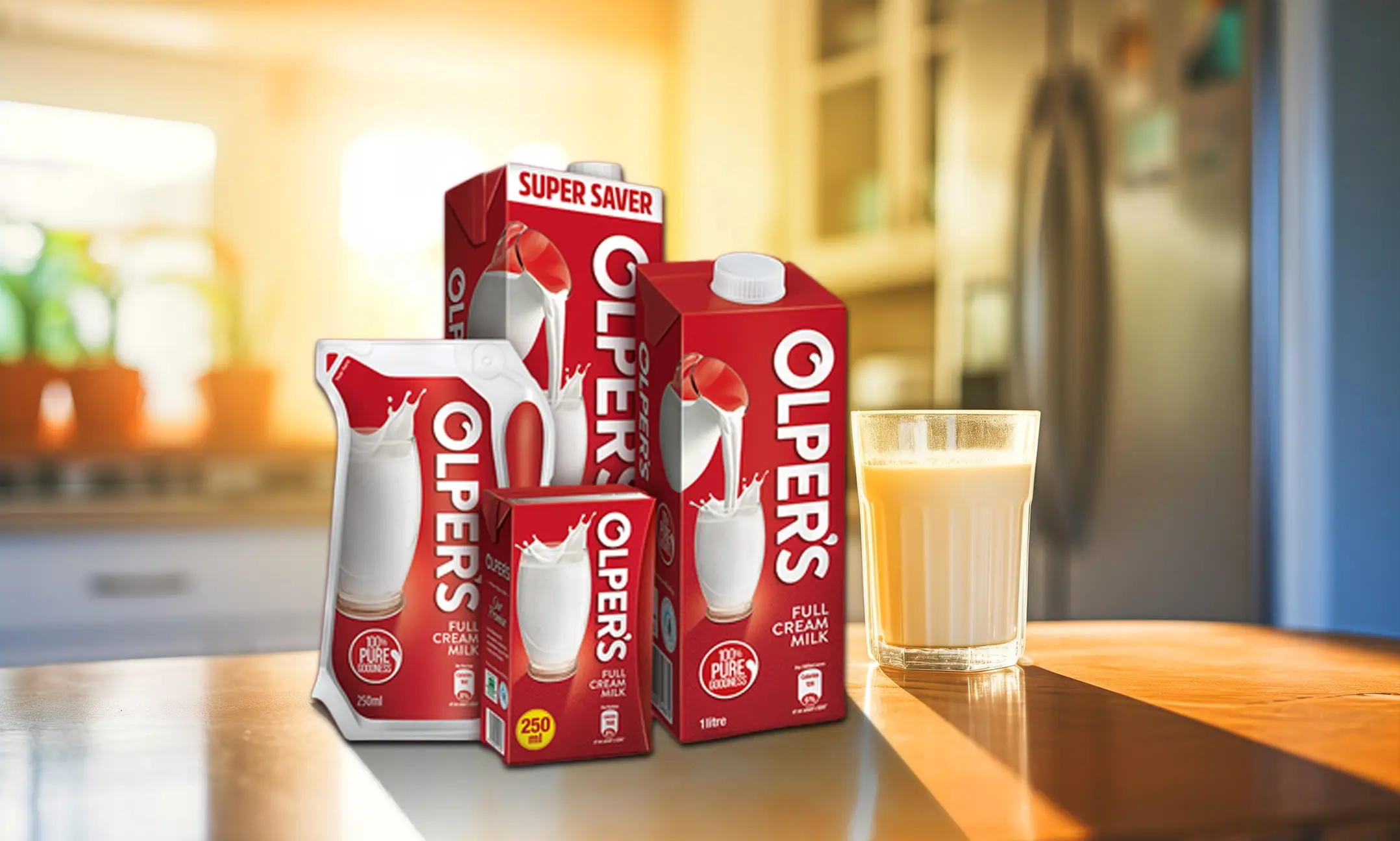
In Pakistan, popular dairy brands including Olper’s offer high-quality dairy-based products that are commonly used in tea preparation and daily consumption.
Key Benefits of Tea Whitener
1. Consistent Taste in Every Cup
One of the biggest advantages of tea whitener is consistency. Fresh milk can vary in fat content and flavor depending on its source, but tea whitener delivers the same taste every time.
This is especially useful for people who drink tea multiple times a day and want a uniform flavor experience.
2. Long Shelf Life
Unlike fresh milk, tea whitener does not spoil quickly. It can be stored for a longer period without refrigeration (depending on the type), making it ideal for:
- Offices
- Small cafes
- Travel use
- Homes with limited refrigeration space
This reduces waste and ensures you always have a backup option for tea preparation.
3. Easy to Use and Quick Mixing
Tea whitener dissolves easily in hot tea without forming lumps or curdling. This makes it extremely convenient for fast-paced routines.
You don’t need to boil milk separately or worry about freshness—just add and stir.
4. Creamy Texture Without Heavy Milk Fat
Tea whitener provides a smooth, creamy consistency without making tea too heavy. It balances taste and texture, especially for people who prefer light but rich chai.
It enhances the overall mouthfeel of tea, making every sip more enjoyable.
5. Cost-Effective Solution
For households and businesses, tea whitener can be more economical than fresh milk. It reduces spoilage losses and helps maintain portion control.
This makes it a practical choice for offices and tea stalls where tea is prepared in large quantities daily.
6. Hygienic and Safe Option
Tea whitener is processed under controlled conditions, ensuring hygiene and safety. This is especially important in areas where fresh milk quality may vary.
It provides peace of mind for consumers who prioritize food safety.
Common Uses of Tea Whitener
Tea whitener is not limited to just making chai. It has several versatile uses in everyday life.
1. Everyday Milk Tea (Doodh Patti or Regular Chai)
The most common use of tea whitener is in preparing traditional milk tea. It blends well with tea leaves, sugar, and spices like cardamom.
Whether you like strong chai or milky tea, it can be adjusted easily according to taste.
2. Office Tea Preparation
In offices, consistency and speed matter. Tea whitener is widely used because:
- It is easy to store
- It saves preparation time
- It ensures uniform taste for employees
3. Café-Style Drinks
Tea whitener is also used in making café-style beverages such as:
- Masala chai
- Karak chai
- Milk-based tea blends
It enhances creaminess and improves presentation.
4. Travel-Friendly Tea Solution
When traveling, carrying fresh milk is difficult. Tea whitener becomes a convenient alternative because it is easy to store and carry.
It allows you to enjoy tea anywhere—whether at home, in a hotel, or outdoors.
5. Baking and Desserts
Some people also use tea whitener in baking recipes or desserts that require a creamy dairy base. It can be used in:
- Cakes
- Puddings
- Tea-flavored desserts
Tea Whitener vs Fresh Milk: What’s Better?
Both tea whitener and fresh milk have their advantages, and the choice depends on lifestyle and preference.
| Feature | Tea Whitener | Fresh Milk |
| Shelf Life | Long | Short |
| Taste Consistency | High | Variable |
| Convenience | Very high | Moderate |
| Nutrition | Moderate | High |
| Storage | Easy | Requires refrigeration |
If your priority is convenience and consistency, tea whitener is an excellent choice. If you prefer natural nutrition, fresh milk is ideal.
Many households in Pakistan use both depending on the situation.
How to Make Perfect Tea Using Tea Whitener
To get the best flavor, follow these simple steps:
- Boil water and add tea leaves
- Let it simmer for strong color and taste
- Add sugar according to preference
- Mix tea whitener gradually while stirring
- Let it simmer for 1–2 minutes
- Serve hot and enjoy
This method ensures balanced flavor and creamy texture.
Why Tea Whitener is Popular in Pakistan
Tea is deeply rooted in Pakistani culture. From roadside dhabas to corporate offices, chai is everywhere. Tea whitener has gained popularity because it matches modern lifestyles:
- Busy routines require quick solutions
- Urban households prefer convenience
- Cafés need consistent taste
- Consumers want longer shelf life products
Brands like Olper’s have also contributed by offering reliable dairy-based solutions that support everyday tea preparation.
Final Thoughts
Tea whitener is more than just a milk substitute—it is a practical solution for modern tea lovers who want consistency, convenience, and creamy texture in every cup. This also connects well with recipes like Special Cream Fruit Chaat, where creamy dairy elements enhance both flavor and richness in a refreshing dessert-style dish.
Whether you are preparing chai at home, serving guests, or running a café, tea whitener helps you achieve perfect results with minimal effort.
If your goal is to enjoy smooth, rich, and reliable everyday chai, tea whitener is definitely worth adding to your kitchen routine.