

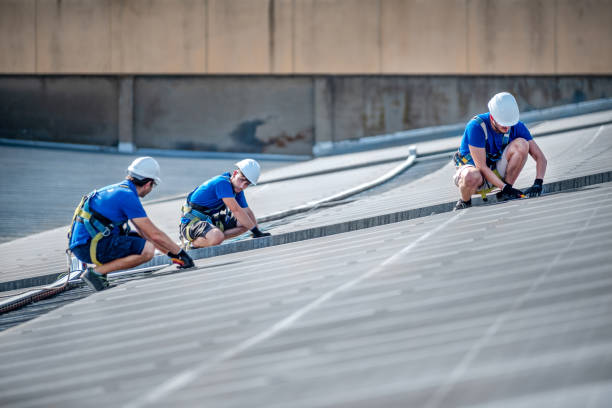
A commercial roofing project is one of the most significant investments a property owner or facility manager will make. Whether the roof has reached the end of its service life, sustained storm damage, or requires major upgrades, the success of the project depends on far more than installing new roofing materials. Every stage—from the initial inspection to the final walkthrough—plays a critical role in protecting the building and ensuring long-term performance.
Understanding the complete process behind commercial roofing in Philadelphia, PA, helps business owners prepare for each phase of the project with confidence. When every step is planned carefully, the result is a roofing system that supports the building’s safety, minimizes disruptions, and delivers reliable protection for years to come.
Step 1: A Thorough Roof Inspection Establishes the Project Scope
Every successful roofing project starts with understanding the condition of the existing roof. A professional Roofing Contractor service evaluates the roofing membrane, drainage systems, flashing, roof penetrations, insulation, and structural deck during the inspection. They also identify signs of moisture intrusion, storm damage, aging materials, or areas where previous repairs may no longer be effective.
This assessment helps determine whether repairs are sufficient or if a commercial roof replacement is the better long-term solution. Working with an experienced Roofing Contractor service allows property owners to identify problems early, make informed decisions, and address potential issues before construction begins. Without a detailed inspection, important problems may remain hidden until the project is already underway.
Step 2: Planning the Roofing Project Before Construction Begins
Once the roof has been evaluated, the next step is developing a project plan that balances the building’s needs with operational requirements. Commercial roofing projects often require careful scheduling to minimize disruptions for employees, customers, tenants, or building occupants. Material selection, access points, safety planning, equipment placement, and project timelines are all coordinated before work begins.
This planning stage helps establish realistic expectations while reducing unexpected delays during construction. A well-organized project starts long before the first roofing materials arrive at the job site.
Step 3: Preparing the Roof for Installation
Before the new roofing system can be installed, the existing roof must be prepared properly.
Removing Existing Roofing Materials
If a full replacement is required, deteriorated roofing materials are removed to expose the roof deck and allow a complete structural evaluation.
Inspecting and Repairing the Roof Deck
Once the roof is exposed, contractors inspect the deck for moisture damage, deterioration, or structural concerns that should be addressed before installation continues.
Preparing the Surface for the New Roof
The roof deck is cleaned, repaired where necessary, and prepared to support the new roofing system. Proper preparation creates the stable foundation required for long-term performance.
During commercial roofing projects, Right Direction Contracting LLC carefully prepares every roof before installation begins to help support reliable results throughout the life of the system.
Step 4: Installing the Roofing System
Installation is where the planning completed during the earlier stages begins to take shape. The selected roofing materials are installed according to manufacturer specifications and industry best practices. Many commercial buildings utilize flat roof systems because they provide efficient coverage for large structures while accommodating rooftop equipment and drainage systems.
Throughout installation, attention is given to flashing details, seams, drainage components, penetrations, insulation, and waterproofing to help ensure the roof performs as designed. Although installation is the most visible stage of the project, its success depends heavily on the preparation completed beforehand.
Step 5: Final Inspection and Project Completion
Before the roofing project is considered complete, every component should be inspected carefully. Contractors verify the quality of the installation, inspect flashing details, review drainage performance, evaluate seams and penetrations, and confirm the roofing system has been installed according to project specifications.
A final walkthrough also allows building owners to ask questions about maintenance, warranties, and long-term care before the roof enters regular service. Completing this inspection helps provide confidence that the roofing system is ready to protect the property.
Step 6: Protecting Your Investment After the Project
Project completion marks the beginning—not the end—of the roof’s service life. Routine inspections, preventive maintenance, debris removal, and prompt attention to minor issues all help maximize the lifespan of a commercial roofing system.
Property owners who schedule regular maintenance are often able to identify developing concerns before they become larger repair projects, helping protect both the building and the original roofing investment.
Commercial Roofing Process Checklist
| Project Stage | Purpose |
| Roof inspection | Evaluates the condition of the existing roof. |
| Project planning | Establishes scheduling, materials, and project scope. |
| Roof preparation | Creates a stable foundation for installation. |
| Roofing installation | Installs the selected roofing system. |
| Final inspection | Confirms workmanship and system performance. |
| Ongoing maintenance | Helps extend roof lifespan and performance. |
Frequently Asked Questions
How do I know if my commercial building needs a roof replacement?
A professional roof inspection can identify extensive deterioration, recurring leaks, structural concerns, or aging materials that may indicate replacement is the best long-term solution.
Why is planning important before a commercial roofing project?
Planning helps coordinate scheduling, building access, safety measures, and material selection while minimizing disruptions to business operations.
What happens during the final roofing inspection?
The completed roofing system is evaluated for workmanship, drainage performance, flashing integrity, waterproofing details, and overall installation quality.
How can I extend the lifespan of my commercial roof?
Routine inspections, preventive maintenance, prompt repairs, and regular debris removal help maximize long-term roof performance.
Start Your Commercial Roofing Project With a Clear Plan
Every successful commercial roofing project begins with careful planning and continues through each stage of construction. Understanding the complete process helps property owners make informed decisions, reduce unexpected challenges, and protect their investment for years to come.
Conclusion
A successful commercial roofing project is the result of careful planning, thorough preparation, professional installation, and ongoing maintenance. By understanding each stage—from inspection to final project completion—property owners can approach roofing projects with greater confidence while ensuring their buildings remain protected for many years. Treating roofing as a complete process rather than simply an installation leads to stronger, longer-lasting results.
