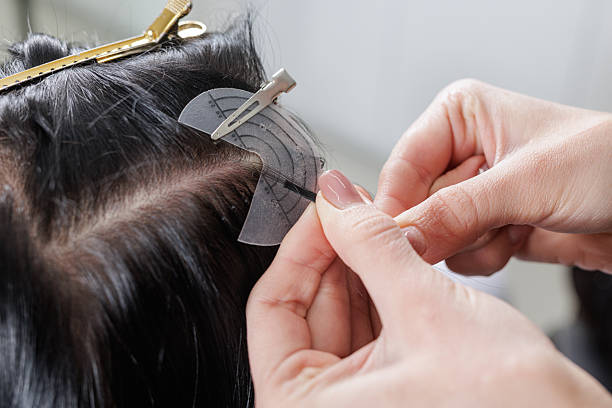
Hair extensions are expensive. Not just in money, but in time sitting in that salon chair, in the research you did beforehand, and in the trust you put in your stylist. So it stings when things go wrong fast, and honestly, most of the damage people see comes from a handful of very fixable habits. If you’re already wearing extensions or you’re about to get your first set, this is worth reading before you do anything else. Getting Hair Extension in North Brunswick NJ is only half the battle. How you treat them after you leave the salon is what actually decides how long they last.
Using the Wrong Shampoo and Conditioner
This one trips people up constantly. Sulfate-based shampoos strip the hair shaft aggressively, which is already a problem for natural hair, but for extensions it’s worse because the hair can’t replenish moisture the way your scalp does. Dry, brittle extensions break. They also tangle more. And if you have tape-in or keratin bond extensions, sulfates actively break down the adhesive holding everything in place.
Look for sulfate-free formulas. That’s the main thing. Beyond that, avoid heavy, oil-rich conditioners near the roots, bonds, or wefts because that buildup causes slippage and matting. Apply conditioner from the mid-lengths down only. Rinse thoroughly. It sounds simple, but plenty of people skip that step or rush it, and the damage adds up quietly over a few weeks.
Silicone-heavy products are another thing to watch for. They coat the hair and feel smooth at first, but over time they cause buildup that makes detangling harder and weighs extensions down. Check your ingredient list. It’s a two-minute habit that saves you a lot of grief later.
Brushing Extensions the Wrong Way
Wet hair is fragile. Everyone knows that about their natural hair, but people forget it applies to extensions too, sometimes even more so. Brushing extensions while they’re soaking wet, especially starting from the root and dragging down, puts enormous tension on the bonds and the wefts. That’s how shedding starts. That’s how matting starts.
The right technique is simple. Let extensions air dry a bit first, or at least squeeze out the excess water with a towel before touching them with a brush. Then start from the ends. Work up slowly in small sections. Use a wide-tooth comb or a brush specifically made for extensions, something with flexible bristles that give instead of pulling. Hold the hair just below where you’re brushing so you’re not yanking on the bonds with every stroke.
Hair Extension Services in North Brunswick NJ stylists will usually walk you through this at your appointment, but it’s easy to forget when you’re rushing through your morning routine at home. Slow down. It takes an extra two minutes and it genuinely extends the life of your extensions by weeks.
Skipping Heat Protectant and Going Too Hot
Direct heat is one of the fastest ways to wreck extensions. Not gradually. Fast. Extensions don’t have the natural oils your scalp produces to buffer heat damage, so they dry out and get brittle much quicker than your natural hair does. Bonds weaken. The hair loses its texture. You end up with a frizzy, rough mess that no amount of conditioner fixes.
Always use a heat protectant spray before any hot tool touches your extensions. Always. Keep your flat iron or curling iron under 350 degrees Fahrenheit if you can. For fine or lighter extensions, go lower, around 300. And don’t linger. Keep the tool moving so no section of hair sits under direct heat for too long. According to research on hair structure, the protein bonds in hair begin breaking down at sustained high temperatures, which is exactly what happens when you slow-drag a flat iron.
Air drying when you have time is always the better call. Save the hot tools for when you actually need them, not every single wash day.
Missing Maintenance Appointments
Extensions move. Your natural hair grows, and as it does, the bonds or wefts shift away from your scalp. That’s normal. What’s not normal is ignoring it for months. Skipping your move-up or tightening sessions causes extensions to slip further, creates matting near the roots, and puts real tension on your natural hair. That tension, left long enough, causes breakage and sometimes even traction alopecia.
Most extension methods need a check-in every six to eight weeks, sometimes sooner depending on how fast your hair grows. If you got Hair Extension in North Brunswick NJ, ask your stylist at the installation appointment exactly when you should come back and put it in your calendar that day. Don’t wait until something feels wrong. By then, the damage is usually already happening.
If you want a reliable place to handle this, Color On Edge Beauty Lounge is one option people around North Brunswick turn to for both installation and ongoing care. Consistent maintenance from the same stylist who knows your extensions makes a real difference.
Hair Extension North Brunswick clients often ask whether they can stretch appointments to save money. You can push it a little, but not by much. Going more than ten weeks between sessions is usually where things start going sideways.
Going to Bed Without Protecting Your Extensions
Eight hours is a long time. That’s how long your hair is rubbing against a pillowcase every night if you don’t do anything about it. Friction causes tangling. Tangling causes matting. Matting causes breakage and, in bad cases, the kind of knotted mess that takes forever to sort out and weakens the extensions in the process.
The fix is easy. Braid your extensions loosely before bed. A single low braid or two loose braids keeps everything from moving around and tangling overnight. On top of that, swap your cotton pillowcase for a silk or satin one. Cotton is rough and grabs at hair. Silk lets hair slide, which means way less friction damage while you sleep.
Hair Extension Services in North Brunswick NJ professionals also sometimes recommend a light leave-in conditioner before braiding, just a small amount worked through the ends. It keeps the hair soft overnight and makes morning detangling a lot easier. Small habit, big difference.
Frequently Asked Questions
How often should I wash my hair extensions?
Most stylists recommend washing extensions two to three times a week at most. Washing too frequently strips moisture and weakens bonds faster. If your scalp gets oily quickly, use a dry shampoo at the roots between washes instead of rinsing the whole thing every day.
Can I swim with hair extensions?
You can, but you should be careful. Chlorine and salt water both dry out extensions badly and can loosen bonds. If you’re going in the pool or ocean, braid your hair first, wear a swim cap if you can, and wash and condition your extensions thoroughly right after. Don’t let chlorine sit in the hair.
What’s the best brush to use on extensions?
A loop brush or a soft-bristle extension brush is usually the safest option. These are designed to glide through extensions without catching on bonds or wefts. Avoid paddle brushes with stiff plastic bristles, especially on wet hair.
How long do hair extensions typically last?
It depends on the method and how well you care for them. Tape-ins usually last six to eight weeks before needing a move-up. Sew-in wefts can last two to three months. The hair itself, if it’s good quality and properly maintained, can often be reused through multiple installations.
Is it normal for extensions to shed a little?
Some shedding is normal, especially in the first week or two after installation. But if you’re seeing a lot of hair coming out when you brush, or if bonds are slipping, that’s a sign something’s off, whether it’s the products you’re using, your brushing technique, or a need for a maintenance appointment.