Currency Exchange Rates in Lahore Pakistan
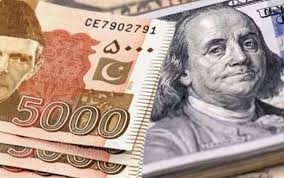
The financial landscape of Lahore, Pakistan, is vibrant and dynamic, especially when it comes to currency trading and exchange. The currency exchange rates in Lahore Pakistan play a major role in the city’s economic activities, affecting everything from business transactions to travel budgets and online remittances. As the economic hub of Punjab, Lahore witnesses thousands of currency exchange transactions every day — people exchanging US Dollars, Saudi Riyals, UAE Dirhams, British Pounds, and Euros to Pakistani Rupees. Understanding how currency exchange rates work and what factors influence them helps people make smarter financial decisions.
Introduction to Currency Exchange in Lahore
Currency exchange is the process of converting one country’s currency into another for business, travel, or remittance purposes. The currency exchange rates in Lahore Pakistan are not fixed; they change daily depending on several national and international factors. Lahore has a strong network of exchange companies, banks, and private dealers who facilitate currency trading for locals and visitors.
With globalization and international trade expanding, Lahore has become one of Pakistan’s busiest financial centers. Many residents receive foreign remittances from relatives abroad or deal in imported goods, making currency exchange an essential part of their daily life.
Why Currency Exchange Rates Matter
Currency exchange rates directly impact the buying and selling value of foreign currencies. For example, if the Dollar becomes stronger against the Pakistani Rupee, imports become more expensive, and remittances sent from abroad increase in value for recipients. Conversely, when the Rupee gains strength, imported goods become cheaper, but the value of remittances in local currency decreases.
The currency exchange rates in Lahore Pakistan therefore influence not just individual buyers and sellers but also the broader economy. They affect prices of goods, inflation levels, international trade, and even investment trends.
Types of Currency Exchange Rates in Lahore
There are two main types of exchange rates people usually deal with in Lahore:
1. Interbank Rate – This is the rate at which banks trade foreign currency with each other. It is usually slightly lower than what customers receive in the open market.
2. Open Market Rate – This is the rate available to the public at exchange companies or money changers. It tends to fluctuate throughout the day depending on demand and supply.
For people looking to exchange their money, the open market rate is what really matters, as it determines how much Pakistani Rupees they get for their foreign currency.
Popular Currencies Exchanged in Lahore
In Lahore, some of the most frequently traded currencies include:
- US Dollar (USD) – The most demanded foreign currency in Pakistan, widely used for savings and international transactions.
- Saudi Riyal (SAR) – Due to the large number of Pakistani workers in Saudi Arabia, Riyal transactions are very common.
- UAE Dirham (AED) – Popular among residents receiving remittances from Dubai, Abu Dhabi, and Sharjah.
- Euro (EUR) and British Pound (GBP) – Frequently exchanged by travelers, students, and businesses engaged with Europe or the UK.
The rates for each of these currencies depend on the overall currency exchange rates in Lahore Pakistan, influenced by both global and local market conditions.
Factors Affecting Currency Exchange Rates in Lahore Pakistan
Several elements influence how the exchange rates move daily. Some of the major factors include:
Economic Stability:
A stable economy usually supports a stronger local currency. Inflation, unemployment rates, and GDP growth directly influence how strong or weak the Rupee becomes.
Foreign Reserves:
Pakistan’s foreign exchange reserves, managed by the State Bank of Pakistan (SBP), determine the country’s ability to stabilize the currency. Higher reserves often lead to a stronger Rupee.
Remittances:
Lahore receives significant remittances from abroad, especially from countries like Saudi Arabia, UAE, and the UK. When remittance inflows are high, the supply of foreign currency increases, helping to stabilize the exchange rate.
Import and Export Balance:
If Pakistan imports more than it exports, the demand for foreign currency rises, leading to a weaker Rupee. Conversely, a higher export volume strengthens the local currency.
Global Events:
Geopolitical events, global recessions, oil price changes, and trade policies all impact currency exchange rates in Lahore Pakistan.
Political Climate:
Political stability gives confidence to investors and strengthens the Rupee, while uncertainty often weakens it.
Currency Exchange in Lahore’s Open Market
The open market in Lahore is where most individuals and small businesses trade currency. Areas like Liberty Market, Gulberg, Anarkali, and DHA have several reputable exchange companies offering currency buying and selling services.
These companies display live rates on their boards and update them throughout the day according to market changes. The open market rate can sometimes be slightly higher than the interbank rate, as it reflects real-time demand and supply conditions.
To ensure safety, it is always recommended to exchange money through authorized exchange companies rather than street dealers. Authorized companies operate under the supervision of the State Bank of Pakistan and provide verified currency transactions.
Online Currency Exchange Rate Updates
In today’s digital age, tracking currency exchange rates in Lahore Pakistan has become much easier. Numerous financial websites, mobile apps, and exchange company portals display updated rates for popular currencies.
These platforms provide live rate comparisons between interbank and open market values. Many also allow users to set alerts when rates reach a desired level, helping them exchange money at the most favorable time. This digital shift has made currency trading more transparent and accessible to everyone in Lahore.
The Role of the State Bank of Pakistan
The State Bank of Pakistan (SBP) plays a vital role in regulating and monitoring currency exchange across the country. It ensures that all exchange companies follow legal standards and report their transactions properly. The SBP also implements monetary policies to maintain exchange rate stability and prevent illegal currency trading.
By controlling the flow of foreign reserves and maintaining transparency in the market, the SBP helps maintain confidence in Pakistan’s financial system. Its policies have a direct impact on how the currency exchange rates in Lahore Pakistan behave over time.
The Importance of Authorized Exchange Companies
Authorized exchange companies in Lahore provide a safe and legal way for people to buy and sell foreign currencies. They follow government regulations and report all their transactions to the central bank. These companies not only offer currency exchange but also services like international money transfers and remittance collection.
Some of the leading currency exchange companies in Lahore are well-known for their reliability and transparent dealings. People prefer to deal with registered exchanges because they provide better security, fair rates, and official receipts for all transactions.
Impact of Exchange Rate Fluctuations on Daily Life
Changes in the currency exchange rates in Lahore Pakistan can affect nearly every aspect of daily life. For instance, when the Rupee depreciates, imported goods such as electronics, fuel, and raw materials become more expensive. This leads to inflation and higher living costs for citizens.
On the other hand, when the Rupee strengthens, imported products become cheaper, benefiting consumers. However, exporters may face challenges since their goods become relatively expensive for international buyers. Therefore, maintaining a stable currency exchange rate is essential for economic balance.
How Businesses Benefit from Monitoring Currency Exchange Rates
Businesses that deal with imports and exports closely monitor exchange rate changes. A small fluctuation in the currency exchange rates in Lahore Pakistan can make a big difference in profits. For instance, importers prefer to buy when the Rupee is strong, while exporters benefit when it weakens.
Companies also use forward contracts to lock exchange rates for future transactions. This helps them manage risk and avoid losses due to currency volatility. Therefore, understanding the movement of exchange rates allows businesses to plan better and remain competitive in the market.
Future Outlook of Currency Exchange in Lahore
Looking ahead, Lahore’s currency exchange market is expected to become more digital, transparent, and customer-friendly. The government’s focus on economic reforms and investment in financial technology will further improve currency handling systems.
As Pakistan continues to strengthen its trade relations and attract foreign investment, the Rupee’s position may become more stable over time. Additionally, increased use of digital remittance platforms will bring more foreign currency into official channels, contributing to exchange rate stability.
Conclusion
The currency exchange rates in Lahore Pakistan form the backbone of international trade, remittances, and economic growth. Whether you are a traveler, a student studying abroad, a business owner, or someone receiving money from overseas, staying informed about exchange rate trends is crucial.
By understanding what influences currency movements and using trusted exchange services, individuals can make smarter financial decisions. With Lahore’s growing role in Pakistan’s economy, the city’s currency exchange market will continue to evolve — offering better accessibility, security, and transparency for everyone involved.