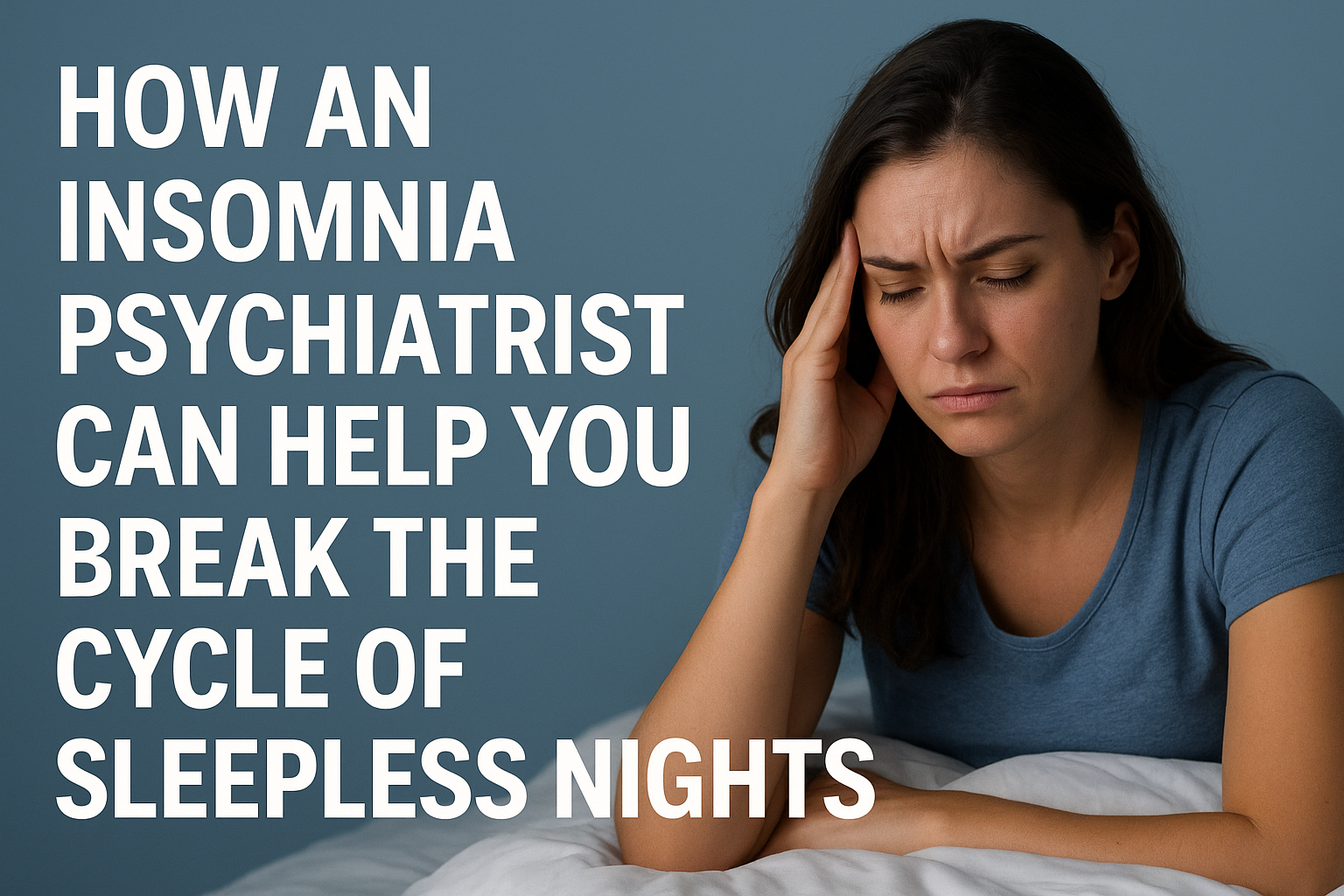
Sleep is the foundation of our mental and physical well-being. Yet, millions of people struggle each night with insomnia, a condition that makes it difficult to fall asleep, stay asleep, or wake up feeling refreshed. When sleepless nights become a pattern, they can take a serious toll on your mood, focus, and overall quality of life. If you’ve tried every home remedy without success, it may be time to seek professional help from an Insomnia Psychiatrist.
In this article, we’ll explore what insomnia is, how psychiatrists approach treatment, and what you can expect when you seek expert help to finally restore your sleep.
Understanding Insomnia: More Than Just a Few Sleepless Nights
Insomnia is one of the most common sleep disorders worldwide. It affects people of all ages, though it tends to increase with stress, aging, and certain health conditions. Unlike occasional restlessness, chronic insomnia can disrupt your daily functioning, emotional balance, and even long-term health.
Common Symptoms of Insomnia
- Difficulty falling asleep, even when you’re tired
- Waking up frequently during the night
- Waking up too early and unable to return to sleep
- Feeling unrefreshed after sleep
- Daytime fatigue or low energy
- Trouble concentrating or remembering things
- Irritability, mood swings, or anxiety
If these symptoms persist for more than a few weeks, they may indicate chronic insomnia that requires medical attention from an Insomnia Psychiatrist.
The Hidden Impact of Insomnia on Daily Life
Sleep deprivation affects far more than just your energy levels. Poor sleep can influence nearly every aspect of your health, physical, emotional, and cognitive.
1. Emotional Health
Chronic insomnia increases the risk of depression, anxiety, and mood disorders. Sleep and mental health are deeply interconnected when you don’t sleep well, your brain’s ability to regulate emotions diminishes.
2. Cognitive Function
Insomnia reduces concentration, decision-making, and problem-solving abilities. Over time, this can affect work performance, relationships, and personal safety (especially when driving or operating machinery).
3. Physical Health
Sleep is essential for immune function and metabolic regulation. Persistent insomnia can contribute to conditions such as hypertension, diabetes, and obesity.
4. Quality of Life
Even moderate sleep loss can affect your motivation, confidence, and social interactions. People with insomnia often report feeling disconnected from their surroundings and emotionally exhausted.
This is where the expertise of an Insomnia Psychiatrist becomes invaluable.
What Does an Insomnia Psychiatrist Do?
An Insomnia Psychiatrist is a medical doctor who specializes in diagnosing and treating sleep disorders, particularly those with psychological or neurological causes. Unlike general practitioners or sleep coaches, psychiatrists have the training to understand how mental health, brain chemistry, and behavioral factors contribute to insomnia.
Key Responsibilities Include:
- Conducting detailed assessments of sleep patterns and habits
- Identifying underlying causes such as anxiety, depression, or trauma
- Prescribing appropriate treatments both medication and therapy
- Providing long-term management and lifestyle guidance
Because insomnia often results from complex interactions between mind and body, a psychiatrist’s holistic approach can lead to long-lasting results rather than temporary relief.
Why Self-Help Often Isn’t Enough
Many people try to fix insomnia with over-the-counter sleep aids, herbal supplements, or “sleep hygiene” tips found online. While these can help with mild sleep issues, they rarely address the root cause of chronic insomnia.
The problem is that insomnia can become a learned pattern. The more nights you lie awake worrying about not sleeping, the stronger that mental association becomes. This creates a vicious cycle anxiety about sleep leads to more sleeplessness.
An Insomnia Psychiatrist can break this cycle by helping you unlearn these patterns and replace them with healthy sleep behaviors.
How an Insomnia Psychiatrist Breaks the Cycle of Sleepless Nights
Let’s explore how psychiatrists help patients overcome insomnia step by step.
1. Comprehensive Evaluation
The first step is understanding your unique sleep story. During the consultation, the psychiatrist will ask about your:
- Sleep habits and environment
- Medical and psychiatric history
- Stress levels and lifestyle
- Use of caffeine, alcohol, or medications
Sometimes, they may recommend a sleep diary or sleep study to gather more information. This evaluation helps pinpoint whether your insomnia stems from a psychological condition (like anxiety or depression), physical causes (such as sleep apnea), or behavioral factors.
2. Identifying Underlying Causes
Insomnia rarely exists in isolation. It’s often a symptom of another condition. Common triggers include:
- Generalized anxiety disorder
- Depression
- Bipolar disorder
- Post-traumatic stress disorder (PTSD)
- Substance use
- Hormonal changes or chronic pain
An experienced Insomnia Psychiatrist recognizes these links and treats the condition at its root.
3. Cognitive Behavioral Therapy for Insomnia (CBT-I)
CBT-I is one of the most effective and research-backed treatments for chronic insomnia. It helps patients change unhelpful thoughts and behaviors around sleep.
Through CBT-I, you learn how to:
- Challenge negative beliefs about sleep (“I’ll never fall asleep tonight”)
- Build a consistent sleep-wake routine
- Reduce anxiety associated with bedtime
- Strengthen the connection between bed and sleep
Over time, this approach retrains your brain to associate bedtime with rest rather than frustration.
4. Medication Management (If Needed)
In some cases, short-term medication may be prescribed to help restore your sleep cycle. A psychiatrist carefully chooses and monitors these medications, ensuring they’re used safely and effectively. Unlike over-the-counter sleep aids, these treatments target specific brain pathways and are personalized to your needs.
5. Lifestyle and Mind-Body Techniques
Beyond therapy and medication, psychiatrists often integrate relaxation methods such as:
- Mindfulness meditation
- Breathing exercises
- Progressive muscle relaxation
- Sleep hygiene education
These techniques help reduce stress, calm the nervous system, and make it easier to transition into restful sleep.
What to Expect During Treatment
Treatment with an Insomnia Psychiatrist is highly individualized. Some patients experience significant improvement in just a few weeks, while others require ongoing care depending on the complexity of their condition.
You Can Expect:
- A supportive, nonjudgmental environment
- Regular sessions to track progress and adjust treatment
- Guidance on managing stress, anxiety, or depression
- Tools for maintaining healthy sleep habits long-term
Many people find that as their sleep improves, so does their overall mental health. Restful nights lead to better focus, stable mood, and renewed energy.
When Should You See an Insomnia Psychiatrist?
You don’t have to wait until your sleep problems become unbearable. Seek help if you:
- Have trouble sleeping at least three nights per week for more than a month
- Feel exhausted despite spending enough time in bed
- Rely on sleeping pills regularly
- Experience anxiety or racing thoughts at bedtime
- Notice sleep problems affecting your work or relationships
Early intervention from an Insomnia Psychiatrist can prevent insomnia from turning into a chronic, life-disrupting condition.
The Benefits of Professional Help
Working with a psychiatrist offers several key advantages over self-guided sleep strategies:
Expert Diagnosis
Psychiatrists can identify hidden mental health issues or medication side effects that may be disrupting your sleep.
Personalized Treatment
Rather than a one-size-fits-all plan, your psychiatrist tailors therapy and medication to your specific needs.
Long-Term Relief
The goal isn’t just to make you sleep better tonight, it’s to help you develop lasting, healthy sleep patterns.
Improved Mental Health
As your sleep improves, symptoms of anxiety, irritability, and depression often diminish as well.
Regain Restful Sleep and Reclaim Your Life
If you’ve been struggling with restless nights, low energy, and constant fatigue, you don’t have to accept it as “normal.” With the right help, you can restore balance to your mind and body.
A qualified Insomnia Psychiatrist can guide you through evidence-based treatments to end the endless cycle of sleeplessness and help you wake up feeling refreshed and renewed.
At ExpertMinds, our compassionate team of mental health professionals understands how deeply insomnia can affect your well-being. With personalized care and expert guidance, you can finally regain control over your sleep and your life.
Final Thoughts
Sleep is not a luxury; it’s a necessity. Chronic insomnia can rob you of joy, productivity, and emotional balance, but effective treatment is within reach. If you’ve tried everything and still can’t find relief, consider consulting an Insomnia Psychiatrist who can uncover the root cause and design a treatment plan tailored just for you.