Outdoor festivals create memorable experiences by bringing people together through music, entertainment, and live performances. Whether it is a small community gathering or a large-scale music festival, sound quality plays a crucial role in audience satisfaction. Even the most talented performers can struggle to connect with attendees if the audio system is poorly designed.
Unlike indoor venues, outdoor environments present unique challenges. There are no walls to reflect sound, weather conditions can affect equipment, and large open spaces require careful planning to ensure consistent audio coverage. Setting up a professional audio system for an outdoor festival involves much more than simply placing speakers around a stage.
This guide explains the best ways to design, install, and manage an outdoor festival audio system for clear, balanced, and reliable sound.
Understanding the Venue Requirements
Before selecting any equipment, it is important to evaluate the festival location and audience size. The layout of the venue determines the type and quantity of audio equipment required.
For example, a small outdoor event with a few hundred attendees requires a different setup compared to a festival hosting several thousand people. Consider factors such as:
- Audience capacity
- Stage dimensions
- Distance between performers and audience
- Terrain conditions
- Nearby structures
- Power availability
- Weather exposure
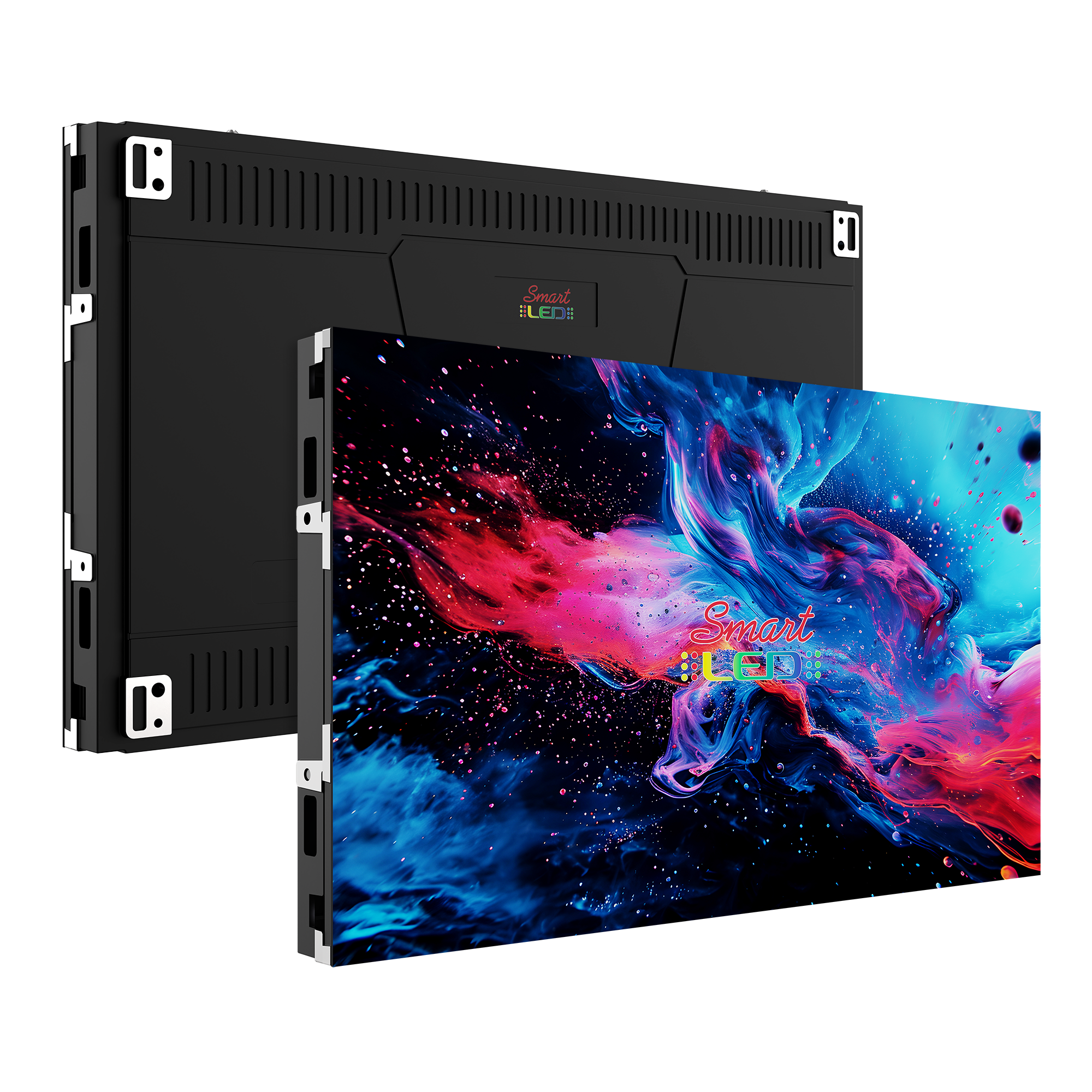
Many event organizers also integrate visual elements such as an outdoor lcd display to provide schedules, sponsor information, and event announcements, making overall event management more efficient.
A detailed site assessment helps prevent unexpected issues during installation and performance.
Selecting the Right Speaker System
Speakers are the foundation of any professional audio setup. Choosing the correct speaker configuration ensures sound reaches all audience areas evenly.
Main Speakers
Main speakers, often called front-of-house speakers, project sound toward the audience. These speakers should provide:
- Wide coverage
- High output capability
- Clear vocal reproduction
- Balanced frequency response
Subwoofers
Subwoofers reproduce low-frequency sounds such as bass guitars, kick drums, and electronic music effects. They add depth and energy to live performances.
Delay Speakers
For larger festival grounds, delay speakers help distribute sound to distant audience areas. They are synchronized with the main system to prevent echo effects.
Monitor Speakers
Stage monitors allow performers to hear themselves clearly during performances. Proper monitor placement improves musician confidence and performance quality.
Designing Effective Sound Coverage
Achieving even sound coverage across the festival area is one of the most important objectives.
Use Speaker Height Strategically
Elevating speakers helps project sound over audience members rather than into the crowd directly. This improves clarity and reduces sound obstruction.
Aim Speakers Correctly
Improper speaker angles can create dead zones or excessively loud areas. Speakers should be directed toward the audience while minimizing sound spill outside the event area.
Avoid Audio Hotspots
Hotspots occur when some audience sections receive significantly louder sound than others. Professional audio engineers use software simulations and measurements to achieve balanced coverage.
Many modern festivals combine advanced sound systems with visual technologies such as a led screen outdoor solution to enhance audience engagement and improve visibility for attendees farther from the stage.
Choosing Professional Audio Mixers
The audio mixer acts as the control center of the entire sound system.
A professional mixer allows engineers to:
- Balance vocals and instruments
- Adjust equalization
- Apply effects
- Control monitor mixes
- Manage multiple audio sources
Digital mixers have become increasingly popular because they offer:
- Scene saving
- Remote control capabilities
- Built-in effects
- Flexible routing options
- Improved workflow efficiency
For outdoor festivals with multiple performers, digital mixing consoles provide greater control and faster setup times.
Managing Wireless Audio Systems
Wireless microphones and instruments offer performers greater freedom on stage. However, proper frequency management is essential.
Best Practices for Wireless Systems
- Scan frequencies before the event
- Avoid frequency conflicts
- Use professional-grade receivers
- Monitor signal strength continuously
- Keep spare batteries available
Large festivals often use dozens of wireless devices simultaneously, making careful planning critical.
Power Distribution and Electrical Safety
A reliable power system is essential for uninterrupted performances.
Calculate Power Requirements
Determine the total power consumption of:
- Speakers
- Mixers
- Amplifiers
- Lighting systems
- Video displays
- Wireless equipment
Use Dedicated Circuits
Audio equipment should operate on dedicated circuits whenever possible to reduce electrical interference.
Install Backup Power
Generators and backup power systems protect against outages that could interrupt performances.
Protect Equipment
Power conditioners and surge protectors help prevent damage caused by voltage fluctuations.
Proper electrical planning improves both safety and reliability.
Weather Protection Strategies
Outdoor festivals face unpredictable environmental conditions.
Rain Protection
Use weather-resistant covers for:
- Speakers
- Mixers
- Amplifiers
- Cables
- Power connections
Wind Considerations
Strong winds can affect both sound projection and equipment stability.
Secure:
- Speaker towers
- Truss structures
- Microphone stands
- Cable runs
Heat Management
High temperatures can cause equipment overheating.
Provide:
- Adequate ventilation
- Shade structures
- Cooling fans where necessary
Planning for weather challenges minimizes equipment failures during the event.
Proper Cable Management
Messy cables create safety hazards and troubleshooting difficulties.
Organize Cable Paths
Use designated cable routes to keep pathways clear.
Label Everything
Label:
- Audio lines
- Power cables
- Network connections
- Stage boxes
Proper labeling speeds up setup and troubleshooting.
Protect High-Traffic Areas
Use cable ramps and protective covers where attendees or staff may walk.
Good cable management contributes to a safer and more professional event environment.
Performing Comprehensive Sound Checks
A detailed sound check helps identify issues before attendees arrive.
Check Every Input
Test:
- Microphones
- Instruments
- Playback devices
- Wireless systems
Verify Speaker Performance
Ensure all speakers function properly and produce consistent sound levels.
Walk the Venue
Audio engineers should listen from multiple audience locations to verify coverage.
Simulate Performance Conditions
Testing under realistic operating conditions improves accuracy and reliability.
Sound checks are among the most important steps in professional event preparation.
Monitoring Audio During the Event
Even after setup is complete, ongoing monitoring remains essential.
Use Real-Time Analysis
Professional engineers use measurement tools to monitor:
- Sound pressure levels
- Frequency balance
- System performance
Watch for Feedback
Feedback can occur unexpectedly when microphone placement changes.
Quick response prevents disruption to performances.
Adjust for Audience Changes
As crowds grow, audience bodies absorb sound differently. Engineers may need to make minor adjustments throughout the event.
Continuous monitoring helps maintain excellent audio quality from start to finish.
Common Mistakes to Avoid
Many outdoor festival audio problems result from preventable errors.
Avoid:
- Underestimating audience size
- Using insufficient speaker coverage
- Skipping sound checks
- Poor cable organization
- Ignoring weather preparation
- Inadequate power planning
- Improper speaker positioning
- Overloading wireless frequencies
Careful preparation greatly reduces the risk of technical difficulties.
Helpful Tips for Better Festival Audio
- Arrive early for setup and testing.
- Always bring backup cables and microphones.
- Maintain clear communication among production teams.
- Use professional measurement tools whenever possible.
- Train staff on emergency procedures.
- Keep spare power distribution equipment available.
- Create a detailed equipment checklist before the event.
- Document system settings for future festivals.
Small preparation steps often make a significant difference in overall event success.
Heading Ideas for Similar Topics
- How to Choose the Best Festival Sound System
- Outdoor Event Audio Setup Checklist
- Essential Equipment for Live Music Festivals
- Professional Sound Reinforcement for Outdoor Venues
- Common Audio Challenges at Outdoor Events
- Festival Production Tips for Better Sound Quality
- Speaker Placement Strategies for Large Crowds
- Outdoor Concert Audio Planning Guide
Frequently Asked Questions
How many speakers are needed for an outdoor festival?
The number depends on audience size, venue dimensions, and desired coverage. Larger festivals typically require main speakers, subwoofers, and delay speakers.
Why are delay speakers important?
Delay speakers help maintain consistent sound quality for audience members located far from the main stage.
What type of mixer is best for festivals?
Digital mixers are generally preferred because they offer advanced routing, remote control, and scene-saving capabilities.
How can weather affect audio equipment?
Rain, wind, and extreme heat can impact equipment performance and reliability. Protective measures should always be implemented.
How often should sound checks be performed?
A complete sound check should be conducted before the event begins and repeated whenever significant system changes occur.
What causes audio feedback?
Feedback occurs when microphone signals are repeatedly amplified through speakers and re-enter the microphone.
Final Words
A professional outdoor festival audio system requires thoughtful planning, quality equipment, and careful execution. From venue assessment and speaker placement to power management and weather protection, every component contributes to the audience experience. By focusing on proper design, testing, and real-time monitoring, event organizers can deliver clear, powerful, and consistent sound that enhances performances and keeps attendees engaged throughout the festival.