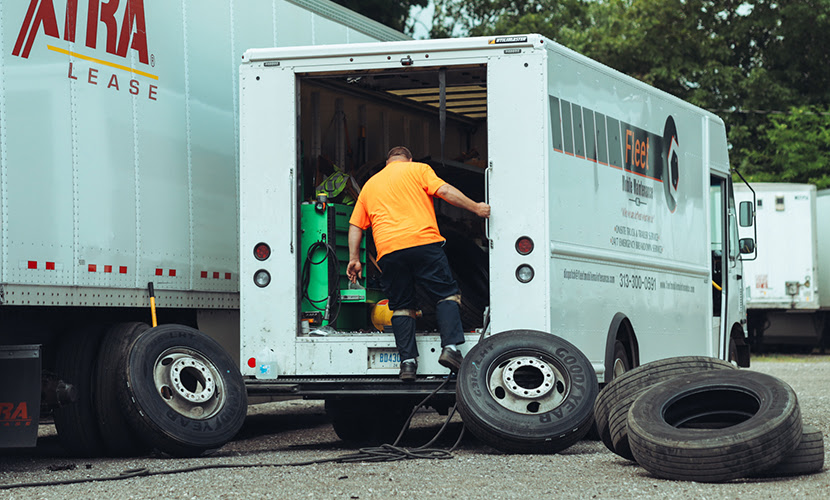
Unexpected truck repairs can throw an entire operation off schedule. One mechanical issue can lead to missed deliveries, unhappy customers, roadside downtime, and expensive emergency repairs. For owner-operators and fleet managers trying to keep trucks moving every day, surprise breakdowns are more than an inconvenience; they directly affect revenue.
Most major repairs do not happen overnight. In many cases, they start as small problems that go unnoticed until the truck can no longer stay on the road. That is why experienced fleet operators invest in regular inspections and dependable truck repair services before minor issues turn into major failures.
Understanding the most common causes of unexpected truck repairs can help fleets reduce downtime, lower costs, and improve long-term reliability.
Poor Preventive Maintenance
One of the biggest reasons commercial trucks break down unexpectedly is inconsistent maintenance. Trucks cover thousands of miles every month, and every system experiences wear over time. When inspections and servicing are delayed, small mechanical issues continue getting worse.
Skipping oil changes, ignoring warning lights, or postponing brake inspections often leads to larger repairs later. What could have been a simple fix may eventually require expensive component replacements or extended downtime.
Preventive maintenance helps identify issues early before they affect daily operations. Fleets that stay on top of routine service schedules usually experience fewer emergency breakdowns and more predictable repair costs.
Many companies rely on professional truck repair services to help maintain engines, brakes, tires, cooling systems, and suspension components before failures happen on the road.
Tire Problems and Blowouts
Tire issues are one of the most common causes of roadside breakdowns in the trucking industry. Commercial trucks carry heavy loads for long distances, which puts constant pressure on tires.
Several issues can lead to unexpected tire failures:
- Underinflation
- Uneven wear
- Overloading
- Damaged sidewalls
- Poor alignment
- Lack of tire rotations
A single tire blowout can create safety risks and delay deliveries for hours. In some situations, damaged tires can also affect nearby components like mud flaps, brake lines, or wheel assemblies.
Routine tire inspections are critical for preventing costly downtime. Checking tread depth, air pressure, and alignment regularly helps fleets avoid sudden failures during busy routes.
Brake System Wear
Commercial truck brake systems experience heavy stress every day, especially in stop-and-go traffic, mountain driving, and fully loaded operations.
Brake components naturally wear down over time, including:
- Brake pads
- Drums
- Rotors
- Air lines
- Chambers
- Slack adjusters
Ignoring brake maintenance can create serious safety concerns and increase the risk of DOT violations. In many cases, drivers notice warning signs before complete brake failure happens. Grinding noises, weak stopping power, or air pressure issues should never be ignored.
Unexpected brake repairs often happen because fleets wait too long between inspections or continue operating trucks despite visible warning signs.
Cooling System Failures
Truck engines generate significant heat during long hauls. The cooling system helps regulate temperature and prevents overheating. When cooling components fail, engine damage can happen quickly.
Common cooling system issues include:
- Coolant leaks
- Broken hoses
- Failed water pumps
- Faulty thermostats
- Radiator damage
Overheating can lead to major engine repairs if not addressed immediately. In some cases, continued driving after overheating may damage cylinder heads, gaskets, or internal engine components.
Routine coolant inspections and pressure checks help reduce the risk of sudden cooling system failures.
Electrical System Problems
Modern commercial trucks depend heavily on electrical systems. Lighting, sensors, GPS systems, ELDs, batteries, starters, and engine controls all rely on proper electrical performance.
Electrical problems are often difficult because they may appear inconsistent at first. A truck may start normally one day and fail completely the next.
Common causes include:
- Weak batteries
- Corroded terminals
- Faulty alternators
- Damaged wiring
- Blown fuses
- Loose electrical connections
Cold weather, vibration, and long operating hours can all increase wear on electrical components.
Reliable diagnostics are important because electrical issues can affect multiple systems throughout the truck.
Engine Neglect
The engine is the heart of every commercial truck, and neglecting engine care often leads to the most expensive repairs.
Many major engine failures begin with smaller issues like:
- Dirty oil
- Fluid contamination
- Fuel system problems
- Air filter restrictions
- Sensor malfunctions
Drivers and fleet managers sometimes ignore early warning signs because the truck still seems operational. However, reduced performance, smoke, rough idling, or unusual noises often indicate deeper problems developing internally.
Consistent inspections and oil analysis help catch engine problems before catastrophic failures happen.
Suspension and Steering Damage
Commercial trucks regularly travel over uneven roads, potholes, loading docks, and rough job sites. Over time, suspension and steering systems take a beating.
Worn suspension parts can affect:
- Tire wear
- Vehicle stability
- Steering control
- Driver comfort
- Alignment
Shock absorbers, bushings, leaf springs, and steering components all require periodic inspection.
When suspension issues are ignored, they often create additional wear across other truck systems. Poor handling also increases driver fatigue during long hauls.
Driver Habits and Operating Conditions
Even well-maintained trucks can develop problems faster under harsh driving conditions or poor driving habits.
Frequent hard braking, aggressive acceleration, overloading, and excessive idling all place additional stress on truck components.
Operating conditions also matter. Trucks driving through extreme heat, heavy traffic, steep terrain, or rough industrial routes usually require more frequent inspections and maintenance.
Fleets that train drivers properly and encourage early reporting of issues often catch problems before they become major repairs.
Delayed Repairs Make Problems Worse
One of the most common mistakes fleet operators make is delaying repairs after identifying an issue. Sometimes businesses try to squeeze a few extra weeks out of worn components to avoid short-term costs.
Unfortunately, delayed repairs often create much larger expenses later.
For example:
- A small coolant leak can lead to engine overheating
- Worn brake pads can damage rotors and drums
- Weak batteries can damage charging systems
- Misalignment can destroy multiple tires prematurely
Addressing problems early almost always costs less than waiting for complete failure.
Companies like Epika Fleet help fleets handle maintenance and repair needs quickly to reduce downtime and prevent larger operational disruptions.
Final Thoughts
Unexpected truck repairs are expensive, stressful, and disruptive for any fleet operation. While breakdowns cannot always be avoided completely, many major repairs are preventable with consistent inspections and proactive maintenance.
Tire failures, brake wear, cooling system problems, electrical issues, and engine neglect remain some of the biggest causes of unplanned downtime across the trucking industry.
Investing in dependable truck repair services helps fleets identify problems early, reduce emergency repairs, and keep trucks operating safely over the long term.
For busy trucking businesses, staying ahead of maintenance is often the difference between profitable operations and constant downtime. Companies like Epika Fleet continue supporting commercial fleets with repair and maintenance solutions designed for real-world trucking demands.