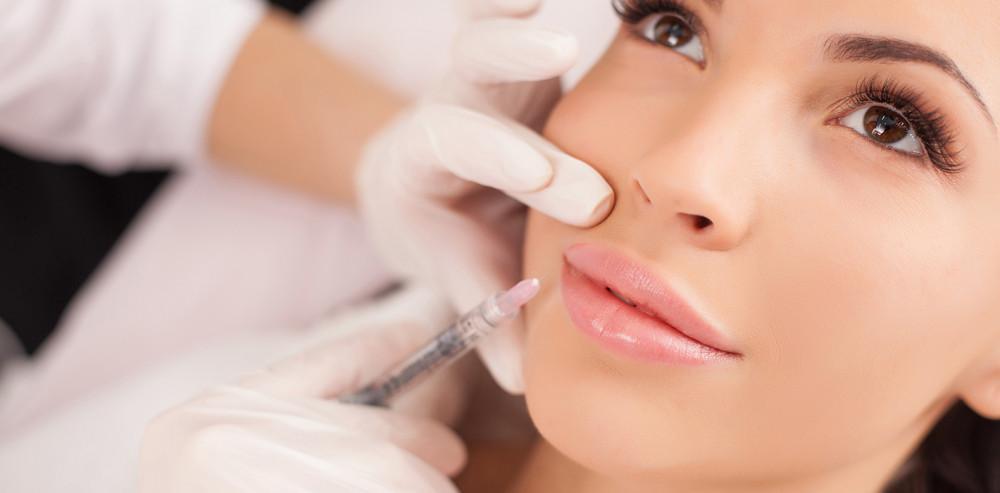
Cosmetic fillers play an important role in modern aesthetic care by addressing facial volume loss, wrinkles, and contour imbalance without surgical procedures. Many individuals choose these treatments to achieve natural-looking improvements in facial structure while maintaining everyday routines. Dermal Fillers are commonly selected for their ability to support facial harmony and restore youthful definition. These injectable gels are designed to target specific areas of concern such as cheeks, lips, and under-eyes. Treatment plans are customized based on facial anatomy, allowing subtle enhancements that focus on balance, proportion, and long-term aesthetic goals.
Cosmetic Fillers
Cosmetic fillers are injectable substances designed to restore lost volume, smooth lines, and improve facial contours. Most fillers contain hyaluronic acid, a substance naturally found in the skin, while others use calcium-based or collagen-stimulating materials. These products integrate into facial tissue to provide structure and hydration support. Unlike muscle-relaxing injectables, fillers physically add volume beneath the skin surface. Their popularity continues to rise due to predictable outcomes, minimal downtime, and flexibility in treatment planning. Common treatment areas include lips, cheeks, jawline, and under-eye hollows, each requiring precise application techniques.
How Fillers Help Restore Facial Volume
Facial volume decreases over time due to natural aging, reduced collagen production, and fat redistribution. This process often results in hollow cheeks, sunken eyes, and sagging skin. Fillers help address these concerns by replenishing lost volume beneath the skin. The injected material supports soft tissue, creating a lifted and smoother appearance. Restoration of volume improves facial structure without altering natural expression. The outcome focuses on rebuilding facial support, which reduces shadows and creates a refreshed appearance that aligns with natural proportions and balanced contours.
Common Areas Treated With Fillers
Fillers are applied to several facial regions depending on individual needs and aesthetic goals. Cheeks are commonly treated to restore youthful fullness and lift mid-face structure. Lips receive enhancement for shape definition and proportion balance. Nasolabial folds are softened to reduce deep smile lines, while jawline treatments improve contour sharpness. Under-eye areas benefit from reduced hollowness and improved brightness. Each area requires careful assessment to ensure results align with facial symmetry. Treatment planning considers bone structure, skin quality, and desired level of enhancement.
Fillers For Lip Enhancement
Lip filler procedures remain one of the most requested cosmetic treatments due to their ability to refine shape and improve symmetry. Enhancements focus on defining lip borders, increasing volume, and correcting uneven proportions. Hydration levels also improve, giving lips a smoother appearance. Treatment customization ensures results match facial features without overcorrection. Small adjustments can create subtle definition, while more structured plans address volume loss. Professional evaluation determines product type and placement technique, ensuring natural results that blend seamlessly with surrounding facial structures.
Reducing Fine Lines And Wrinkles
Fillers help minimize the appearance of fine lines and deeper facial folds by supporting areas where collagen and fat have diminished. Common concerns include smile lines, marionette lines, and vertical lip creases. The injected gel fills space beneath the skin, reducing depth and smoothing surface texture. This support structure improves skin appearance without affecting facial movement. Results are visible shortly after treatment, with improvements in skin smoothness and overall facial softness. The process focuses on restoring underlying support rather than altering natural expressions.
Improving Facial Contours And Symmetry
Facial balance plays a significant role in aesthetic appearance, and fillers are frequently used to improve symmetry and contour definition. Chin augmentation helps enhance projection, while jawline treatments create sharper edges and structure. Cheek fillers restore mid-face balance, improving proportional harmony. Specialists analyze facial alignment to determine precise injection points that support natural contours. These adjustments are designed to complement existing bone structure rather than change identity. The goal focuses on improving overall facial proportion and achieving a more balanced appearance across features.
Non-Surgical Benefits Of Fillers
Fillers offer a practical alternative to surgical cosmetic procedures, making them a preferred option for many individuals seeking facial improvement.
Benefits Often Observed Include:
- Short treatment sessions with minimal interruption to daily life
- Limited recovery time compared to surgical procedures
- Gradual and adjustable aesthetic results
- Natural enhancement of facial features
- Personalized treatment plans based on individual needs
These advantages allow patients to achieve noticeable improvements without undergoing invasive procedures. Flexibility in treatment also allows adjustments over time to maintain consistent results.
What To Expect During A Filler Appointment
A filler appointment begins with a consultation where facial structure and aesthetic goals are evaluated. The treatment area is cleansed, and numbing agents may be applied for comfort. Injection is performed using fine needles or cannulas to place filler precisely beneath the skin. Mild pressure or sensitivity may occur during the process. After treatment, mild swelling or redness may appear temporarily. Patients receive aftercare instructions that support healing and help maintain optimal results during the recovery period.
Possible Side Effects And Safety Considerations
Temporary side effects may include swelling, redness, bruising, or mild tenderness at injection sites. These effects usually resolve within a few days. Treatment safety depends on the provider’s expertise and product quality used during the procedure. Qualified professionals follow strict hygiene and injection standards to reduce complications. A detailed consultation helps identify medical history, allergies, and suitability for treatment. Proper technique and product selection play an important role in achieving safe and predictable outcomes in cosmetic filler procedures.
How Long Filler Results Usually Last
The longevity of filler results varies depending on product type, treatment area, and individual metabolism. Some fillers provide results lasting six to twelve months, while others may remain effective for longer periods. Areas with frequent movement, such as lips, may require earlier maintenance compared to static areas like cheeks. Regular follow-up sessions help maintain consistent appearance and adjust results as needed. Gradual breakdown of filler material occurs naturally, allowing flexibility for future modifications and continued aesthetic refinement.
Choosing The Right Cosmetic Provider
Selecting a qualified provider plays a key role in achieving safe and natural-looking results. Experience in facial anatomy and injection techniques ensures accurate placement and balanced outcomes. A professional clinic environment supports safety standards and hygiene practices. Consultation sessions allow clear communication of goals and realistic expectations. Providers who offer personalized treatment planning help align results with facial structure. Proper aftercare guidance and follow-up support contribute to long-term satisfaction and improved treatment consistency.
Conclusion
Cosmetic fillers serve as an effective non-surgical option for restoring facial volume, improving symmetry, and reducing visible signs of aging. Their versatility allows targeted treatment across multiple facial areas, supporting natural-looking enhancement. From wrinkle reduction to contour definition and lip enhancement, fillers continue to play a key role in aesthetic medicine. Understanding their applications, benefits, and safety considerations helps individuals make informed choices and achieve balanced facial improvements aligned with personal cosmetic goals.