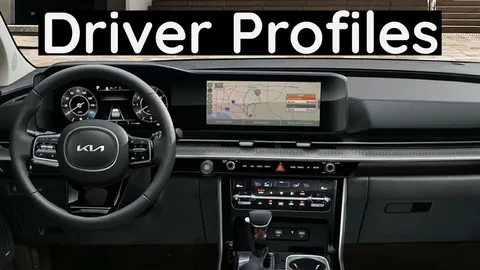
Driving should feel natural, like your car “gets” you. Yet many cars feel the same for everyone. That can make you tense, tired, or even unsure. A custom drive profile changes that. It saves your favorite settings and adjusts how the car responds. So you spend less time fiddling with buttons. Also, you get more comfort and control right away. That matters on school runs, long commutes, and quick errands. Even small changes, like softer steering, can reduce stress. And better pedal response can help you feel safer in traffic. In custom drive profile setup in Reno, drivers often want an easier, calmer drive. So let’s break down how a profile learns your style and helps you every day.
1) What A Custom Drive Profile Setup in Reno Really Changes
A drive profile does more than save your seat position. It can also shape how the car “feels” as you drive. Because of that, your ride can match your comfort level.
In a custom drive profile setup, a typical profile can adjust:
- Steering feel (lighter or firmer)
- Throttle response (how fast power comes in)
- Brake response (how quickly brakes bite)
- Shift timing (in some vehicles)
- Cabin comfort (seat, mirrors, climate, and audio)
So you get less guesswork at the start of each trip. Also, you can reduce sudden moves that make passengers uneasy. That helps you drive more smoothly, which often supports better fuel use too.
2) How Your Car Learns Your Style
Cars do not read minds. However, they can notice patterns. Many modern systems watch driver inputs and how the vehicle reacts. Then they adjust within safe limits.
A profile may track things like:
- How quickly you press the accelerator
- How often do you brake hard
- How sharply you turn the wheel
- How you handle stop-and-go traffic
- How do you prefer cabin temperature and airflow
Because your habits repeat, the system can predict what you like. So it can set up your car before you even think about it. Still, safety rules stay in place. That means it should not “learn” risky behavior.
3) Why This Matters For Safety And Focus
When settings feel wrong, you get distracted. You might reach for a screen, dig through menus, or adjust mirrors while moving. That steals attention from the road. So a saved profile can help you stay focused.
“The best drive is the one that lets you keep your eyes up and your mind calm.”
Also, a custom drive profile setup in Reno reduces surprise. For example, smooth throttle response can prevent sudden lunges. And consistent brake feel can cut panic stops. Over time, that can build confidence. Then you drive with steadier decisions, especially in heavy traffic.
4) The Comfort Payoff You Feel Right Away
Comfort is not “extra.” It affects how long you can stay alert. If your seat angle hurts your back, you tire faster. If mirrors sit wrong, you crane your neck. So comfort settings support safer driving.
“When your body relaxes, your brain makes better choices.”
A profile can restore the same setup every time. That includes seat height, lumbar support, and mirror angles. Also, climate settings can keep you from getting sleepy or irritated. As a result, you arrive less drained. And you may feel more patient with other drivers.
5) Common Profile Types And What They Do
Not every driver wants the same feel. Some want calm and smooth. Others want a quick response. So profiles often fall into a few simple styles.
Here’s a clear look:
| Profile goal | What often changes | What you may notice |
|---|---|---|
| Comfort | Softer steering, gentle throttle | Less strain in traffic |
| Balanced | Middle settings across systems | Predictable control |
| Eco-minded | Slower throttle, smoother shifts | Fewer sudden surges |
| Sport feel | Firmer steering, sharper throttle | Faster response on tap |
In the custom drive profile setup in Reno, many drivers pick “Balanced” first. Then they fine-tune from there. So you can start simple and adjust as you learn what feels best.
6) Step-By-Step: Building A Profile That Fits You
A good profile starts with your real life. First, think about where you drive most. Then match the settings to that daily need; if your commute is stop-and-go, smooth control matters. If you drive highways, steady comfort matters more.
- Start with your body setup
Adjust your seat so your knees bend slightly. Also, set mirrors to reduce blind spots.
- Next, tune the vehicle response
Pick steering and throttle settings you can control easily. Then test them in a safe area.
- Finally, lock in your habits
Save the profile and use it for a week. After that, change only one thing at a time. So you can feel the difference clearly.
If you want help close to home, look for a custom drive profile setup near Reno. Keep the focus on comfort, control, and safe response.
7) Mistakes To Avoid, And Easy Wins To Try
Many people change too much at once. Then they cannot tell what helped. Also, some people pick the most “aggressive” setting and regret it in traffic. So start mild and build up slowly.
Try these easy wins first:
- Make steering slightly lighter for parking and tight turns
- Choose a smoother throttle for stop-and-go roads
- Set mirrors and seat once, then save them
- Keep alerts on, but reduce noisy chimes if possible
If you hear the phrase Reno custom drive profile setup, think “simple changes, big relief.” Because when the car responds the way you expect, you feel safer and more in control.
One More Thing Before You Drive Off
You deserve a drive that feels like it was made for you. A smart profile can cut stress, reduce distractions, and boost comfort. It can also help you drive more smoothly, which supports safety. If you want to set it up the right way, Auto Intuitive can point you toward best practices that fit your routine. So what would feel better tomorrow: calmer braking, lighter steering, or a cabin that’s already “just right”?
FAQ
Can a drive profile improve fuel use?
Yes, smoother starts and gentle braking often reduce wasted energy.
Will a profile make my car unsafe?
No, safety limits still apply. The system should not allow risky changes.
How long does it take to feel the benefit?
Often right away. Still, you may fine-tune after a week of normal driving.
How often should I update my profile?
Update it when seasons change, or when your routine changes a lot.