
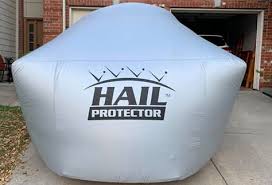
Hailstorms can strike suddenly and cause serious damage to your car in just a few minutes. From cracked windshields to dented hoods and roofs, the cost of repairs can be surprisingly high. A hail protection car cover is one of the most effective and affordable ways to safeguard your vehicle from unpredictable weather conditions.
In this guide, we’ll explore what hail protection car covers are, how they work, key features to look for, and why investing in one can save you thousands in repair costs.
What Is a Hail Protection Car Cover?
A hail protection car cover is a specially designed protective shield made to absorb and reduce the impact of hailstones. Unlike standard car covers that mainly protect against dust, UV rays, or rain, hail-resistant covers are built with thick, shock-absorbing layers that cushion your car during storms.
These covers typically feature multiple layers, including:
- A soft inner lining to prevent scratches
- A thick foam or padded middle layer to absorb impact
- A waterproof outer layer to resist rain and moisture
Some advanced models even include inflatable or air-cushion technology for enhanced protection during severe hailstorms.
Why You Need a Hail Protection Car Cover
Hail damage is not just cosmetic—it can be expensive and time-consuming to repair. Here’s why investing in a protective cover makes sense:
1. Prevents Expensive Repairs
Even small hailstones can dent your car’s body or crack the windshield. Repair costs can range from a few hundred to several thousand dollars. A good cover significantly reduces this risk.
2. Protects Windshield and Glass
One of the most vulnerable parts of your car is the glass. Hail protection covers are designed to absorb impact before it reaches the windshield.
3. Saves Time and Insurance Hassles
Dealing with insurance claims and repair shops can be stressful. A protective cover minimizes the chances of filing claims in the first place.
4. Year-Round Protection
Besides hail, these covers also protect against UV rays, bird droppings, tree sap, dust, and heavy rain.
Key Features to Look for in a Hail Protection Car Cover
Not all car covers are created equal. When choosing the right one, consider the following features:
1. Impact Resistance Level
Look for covers tested against hail sizes such as small (pea-sized) to large (golf ball-sized). The thicker the padding, the better the protection.
2. Multi-Layer Construction
A high-quality hail cover should have at least 3–4 layers, including foam or EVA padding for shock absorption.
3. Waterproof and Weatherproof Material
The outer layer should be waterproof to prevent rain from seeping through and damaging your paint.
4. Secure Fit System
Elastic hems, straps, and buckles ensure the cover stays in place even during strong winds.
5. Breathability
A good cover should allow airflow to prevent moisture buildup, which can lead to mold or rust.
6. UV Protection
Sun damage can fade paint over time, so UV-resistant coatings are a valuable bonus.
Types of Hail Protection Car Covers
There are several types available depending on your budget and protection needs:
1. Foam-Padded Covers
These are the most common and affordable option. They use thick foam layers to absorb hail impact.
2. Inflatable Car Covers
These high-end covers inflate around your vehicle, creating an air cushion that absorbs hail impact effectively.
3. Hybrid Multi-Layer Covers
These combine foam padding, waterproof fabric, and reflective layers for all-weather protection.
How to Use a Hail Protection Car Cover Properly
To get maximum protection, follow these steps:
- Clean your car before covering – Dirt or debris can scratch paint.
- Fully unfold the cover and identify front and rear sections.
- Secure the straps tightly under the vehicle.
- Ensure full coverage, including mirrors and bumpers.
- Check weather alerts and install the cover before the storm begins.
Benefits of Using a Hail Protection Car Cover
Here’s a quick summary of why it’s worth the investment:
- Reduces hail damage risk by up to 90%
- Protects paint, glass, and body panels
- Saves money on repairs and insurance claims
- Easy to install and remove
- Works in all seasons
Common Mistakes to Avoid
Many car owners make simple mistakes that reduce the effectiveness of their covers:
- Using a regular dust cover instead of a hail-specific one
- Not securing straps properly
- Covering a wet or dirty car
- Leaving the cover on during strong winds without checking fit
Avoiding these mistakes ensures your cover performs as intended.
Is a Hail Protection Car Cover Worth It?
Absolutely. If you live in an area where hailstorms are frequent, a hail protection car cover is one of the smartest investments you can make. Compared to expensive bodywork repairs or insurance deductibles, a high-quality cover pays for itself after just one major storm.
Even if hail is rare in your region, the added protection against sun, dust, and weather makes it a practical year-round solution.
Final Thoughts
A hail protection car cover is more than just an accessory—it’s a safeguard for your vehicle’s value and appearance. With the right material, proper fit, and smart usage, you can protect your car from unpredictable weather and avoid costly repairs.
Whether you choose a foam-padded, inflatable, or multi-layer cover, investing in protection today can save you from major headaches tomorrow.

