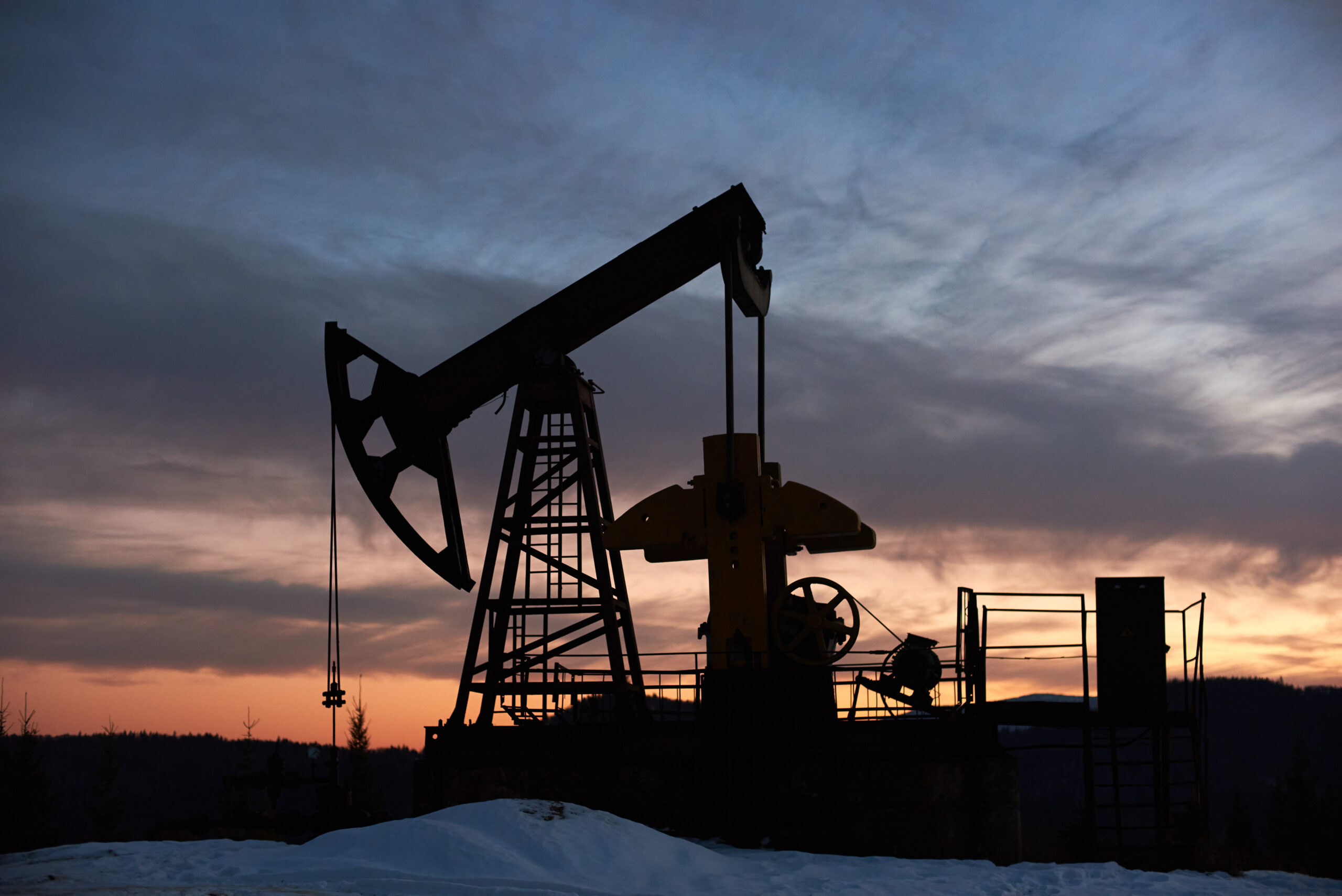
Crude oil is one of the most actively traded commodities in the world. From supply shocks to geopolitical tensions, its price often reflects what’s happening globally in real time. For traders, that creates both opportunity and risk.
To access this market, most traders don’t buy physical oil. Instead, they use derivatives like futures, options, and CFDs.
If you’ve been asking what are CFDs and how they compare to other instruments, this guide breaks down all three using crude oil as the underlying asset.
Understanding the Basics
Futures, options, and CFDs are all derivatives. That means their value comes from an underlying asset, in this case, crude oil.
You’re not trading barrels of oil. You’re trading contracts based on price movements. Each instrument offers a different way to approach the same market.
Crude Oil Futures: Structured and Standardized
A crude oil futures contract is an agreement to buy or sell oil at a fixed price on a specific future date.
These contracts trade on regulated exchanges and follow standardized terms.
Key features:
- Fixed expiry dates
- Traded on exchanges
- High liquidity
- Margin-based (leveraged)
Example:
If you buy a futures contract at $100 and oil rises to $105, you profit from that difference. If it drops to $95, you take the loss.
Futures are commonly used by:
- Institutional traders
- Oil producers and airlines (for hedging)
- Experienced market participants
They offer transparency and structure, but require careful attention to timing and contract expiry.
Crude Oil Options: Flexibility with Defined Risk
Options give you the right, but not the obligation, to trade oil at a specific price before a set date.
There are two main types:
- Call options (betting on price increases)
- Put options (betting on price decreases)
Key features:
- Upfront premium cost
- Limited risk (for buyers)
- Pricing influenced by time and volatility
Example:
You buy a call option with a $100 strike price. If oil rises to $110, the option gains value. If oil stays below $100, you can let it expire and only lose the premium.
Options are useful for:
- Managing risk
- Trading volatility
- Building more advanced strategies
They offer flexibility, but they’re more complex than other instruments.
CFDs: Simple Access to Oil Markets
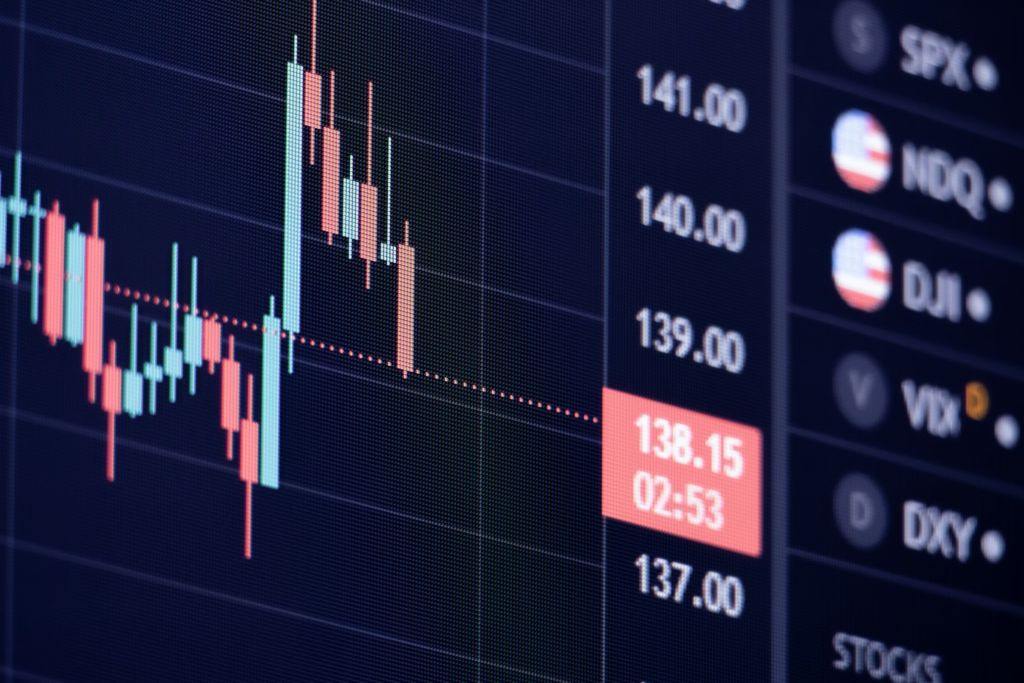
If you’re new and wondering what are CFDs, they are the simplest way to trade oil price movements.
A Contract for Difference (CFD) lets you speculate on price changes without owning the asset or dealing with expiry dates.
Key features:
- No ownership of oil
- No fixed expiry (in most cases)
- Easy to go long or short
- Offered by brokers
- Uses leverage
Example:
Oil is trading at $102. You open a CFD position:
- If price rises to $108 → you profit
- If price drops to $96 → you lose
CFDs are widely used by retail traders because they are easy to access and flexible.
Important risk: Slippage and gapping
In volatile markets, especially during geopolitical events, prices don’t always move smoothly. They can gap, meaning they jump from one level to another without trading in between.
This leads to slippage, where your trade executes at a worse price than expected.
For example:
- You set a stop-loss at $100
- Oil gaps from $102 to $98
- Your position may close near $98, not $100
This is a key risk when trading CFDs during fast-moving market conditions.
Comparing Futures, Options, and CFDs
Each instrument offers a different approach:
- Futures: structured, standardized, and widely used for hedging
- Options: flexible, strategic, and useful for defined risk
- CFDs: simple, accessible, and ideal for short-term trading
Your choice depends on your experience, goals, and how you manage risk.
Oil Prices Today: March 2026 Volatility
As of March 2026, crude oil prices have surged past the $100 mark, driven by ongoing geopolitical tensions.
Recent price movements have been influenced by:
- Supply disruptions in key producing regions
- Sanctions affecting global exports
- Shipping and logistics concerns
- Production decisions from major oil alliances
The result is a market that moves quickly and reacts sharply to news. Intraday swings are larger, and trends can reverse without much warning.
For traders, this environment changes how each derivative behaves.
How Geopolitical Crises Affect Trading Strategies
In stable markets, traders can rely more on technical patterns and gradual trends. During geopolitical crises, markets become more reactive and less predictable.
Here’s how that impacts each instrument.
Futures: Precision and Timing Matter
With futures, expiry dates add another layer of risk.
In volatile conditions:
- Price swings can accelerate near contract expiry
- Traders need to manage positions more actively
Many futures traders respond by:
- Shortening trade duration
- Rolling contracts earlier
- Focusing on near-term price action
Options: Volatility Becomes a Trading Factor
Options pricing is heavily influenced by volatility, not just direction.
During crises:
- Premiums increase
- Larger price swings create new opportunities
Traders may:
- Use options to capture big moves
- Structure trades to limit downside risk
Options become especially useful when uncertainty is high.
CFDs: Speed, Discipline, and Risk Control
CFDs react instantly to market movements, which makes them highly sensitive during geopolitical events.
This creates fast opportunities, but also fast losses.
Traders often adjust by:
- Reducing position sizes
- Using more flexible stop-loss strategies
- Avoiding excessive leverage
Because of risks like slippage and gapping, discipline becomes critical.
In a Nutshell
Crude oil trading offers multiple paths, but each comes with its own rules. Futures give you structure. Options give you flexibility. CFDs give you simplicity
In a market shaped by geopolitical tension, the goal isn’t just to pick the right instrument. It’s to adapt your strategy to the conditions in front of you.
Author Bio: Carmina Natividad is a resident writer for FP Markets, a globally recognised Forex and CFD broker based in Australia, offering traders access to a wide range of financial markets, advanced trading platforms, and competitive trading conditions. She creates informative, easy-to-follow content on trading, investing, and personal finance, helping readers navigate the markets with confidence.