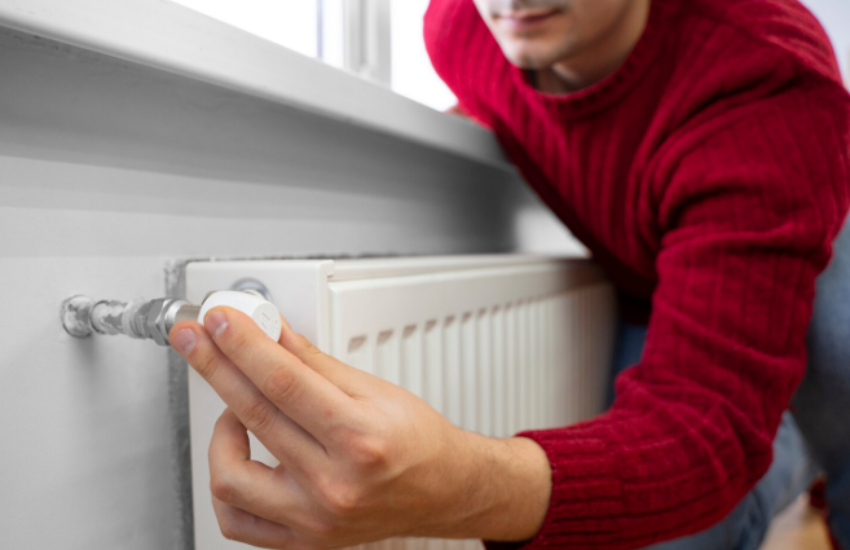
As temperatures drop across the United Kingdom, homeowners begin to rely heavily on their oil-fired heating systems to keep their homes warm and comfortable. However, rising energy costs and growing environmental concerns have made heating efficiency more important than ever. If you depend on heating oil, you might be wondering how to reduce your consumption, lower your bills, and get the most from every litre of oil.
The good news? You can significantly improve your heating efficiency with a few strategic upgrades, maintenance habits, and smart usage techniques — without sacrificing warmth or comfort.
In this article, we’ll explore practical, proven ways to boost heating efficiency with oil in UK homes — helping you save money, extend the lifespan of your boiler, and create a more sustainable household.
1. Understand How Your Oil Heating System Works
Before you can improve efficiency, it’s essential to understand the basics. In most UK homes, heating oil systems use a boiler that burns oil to heat water, which then circulates through radiators or underfloor systems. Some boilers also heat water for taps and showers.
There are three main types of oil boilers used across the UK:
- Regular (Conventional) Boilers: Use a separate hot water cylinder and cold-water storage tank.
- System Boilers: Include built-in components for quicker heating and easier installation.
- Combi Oil Boilers: Provide both heating and hot water directly, without a storage tank.
Each system has different efficiency levels and maintenance needs. Knowing which type you have is the first step in optimising performance.
2. Schedule Annual Boiler Servicing
An oil boiler should never be a “fit and forget” appliance. Over time, soot, sludge, and scale can build up inside the burner and heat exchanger, reducing efficiency and potentially causing breakdowns.
A professional annual service from an OFTEC-registered engineer is essential. During this check, they will:
- Clean and adjust the burner for optimal combustion.
- Check oil nozzles and filters for blockages.
- Inspect and test safety devices.
- Ensure proper flue performance and emissions.
A well-maintained boiler can operate at peak efficiency for years, while a neglected one might waste up to 10–15% more oil annually.
3. Upgrade to a Modern Condensing Oil Boiler
If your boiler is more than 15 years old, replacing it could be one of the best investments you make. Modern condensing oil boilers can achieve efficiencies of over 90%, compared to older models that often operate at 70–75%.
Condensing boilers recover heat from exhaust gases that would otherwise escape through the flue. This means more of the energy from the oil is converted into usable heat.
Although upgrading involves an upfront cost, you could save hundreds of pounds per year in fuel — and reduce your carbon footprint significantly. Many UK homeowners find that their investment pays for itself within five to seven years.
4. Insulate Your Home Properly
Even the most efficient boiler can’t help if your home leaks heat. Insulation is one of the most effective and affordable ways to improve heating efficiency.
Start with the basics:
- Loft Insulation: Around 25% of heat is lost through an uninsulated roof. Installing 270mm of mineral wool insulation can drastically reduce heat loss.
- Cavity Wall Insulation: Suitable for most post-1920 homes, this prevents warmth from escaping through walls.
- Draught Proofing: Use seals around windows, doors, and letterboxes to stop cold air sneaking in.
- Double or Triple Glazing: Keeps more heat inside and reduces condensation.
With proper insulation, you’ll need less oil to keep your home at the same comfortable temperature.
5. Use Smart Heating Controls
Heating technology has evolved — and smart controls make managing your oil heating system easier and more efficient.
Consider installing:
- Smart Thermostats: Devices like Hive or Nest allow you to control heating remotely from your smartphone. You can adjust schedules and prevent unnecessary heating when you’re away.
- Zoned Heating Controls: Divide your home into zones (e.g., upstairs/downstairs) to heat only the areas you use most often.
- Weather Compensation Controls: These automatically adjust boiler output based on outdoor temperatures, ensuring optimal performance without overheating.
These small upgrades can cut oil consumption by up to 15% annually while improving comfort and convenience.
6. Bleed and Balance Your Radiators
Uneven heating in radiators can be a sign of trapped air or imbalanced flow. When radiators aren’t heating up fully, your system works harder and burns more oil to reach the desired temperature.
Here’s what to do:
- Bleed your radiators once or twice a year to remove trapped air.
- Balance your system by adjusting the valves so each radiator heats evenly.
If you’re unsure how to do this, a heating engineer can perform a system balance as part of an annual service.
7. Monitor and Maintain Oil Storage Tanks
Your oil tank plays a key role in system efficiency. Sludge or water contamination can damage the burner and reduce fuel quality.
Regularly inspect your tank for:
- Rust, cracks, or leaks — especially around joints and fittings.
- Water build-up, which can occur due to condensation.
- Sludge or sediment, which should be removed periodically.
Installing a tank gauge helps you monitor usage and order oil in bulk when prices are lower — saving money and avoiding last-minute refills during peak demand.
8. Improve Your Heating Habits
Sometimes, small behavioural changes make a big difference. Here are a few easy habits that can reduce oil consumption:
- Lower your thermostat by just 1°C — it can cut heating bills by around 10%.
- Use heating timers to avoid running the system all day.
- Keep doors closed between heated and unheated rooms.
- Draw curtains at dusk to retain warmth.
- Wear warmer layers indoors instead of increasing the thermostat.
A mindful approach to heating can lead to significant annual savings without affecting comfort.
9. Add a Hot Water Cylinder Jacket
If your system includes a hot water cylinder, it’s worth adding an insulated cylinder jacket. For just a small investment, it can prevent heat loss from stored water, meaning your boiler runs less frequently.
Modern cylinders are pre-insulated, but older ones can lose a surprising amount of heat. A jacket 75mm thick can save up to £70 per year on heating oil.
10. Consider Renewable Heating Assistance
While heating oil remains essential in many rural UK areas without access to mains gas, it’s worth exploring hybrid systems that combine oil with renewable technologies.
For example:
- Solar Thermal Panels: Can preheat water for your boiler, reducing oil use.
- Air Source Heat Pumps (ASHP): When used in conjunction with an oil boiler, they can handle moderate heating demands, while oil takes over in very cold weather.
This approach balances reliability with sustainability, helping you prepare for the UK’s shift towards low-carbon heating solutions.
11. Keep an Eye on Boiler Pressure and Settings
Incorrect boiler pressure or thermostat settings can make your heating system inefficient. Check the pressure gauge regularly — it should typically read between 1 and 1.5 bar when the system is cold.
If the pressure is too low or high, your system may not circulate heat properly. You can usually adjust it using the filling loop, but if you’re unsure, ask a professional.
Also, review your thermostat and timer settings seasonally — you may not need the same schedule in autumn as you do in deep winter.
12. Plan for Long-Term Efficiency
Finally, consider your heating system as part of your home’s overall energy strategy. Regular maintenance, insulation improvements, and smart upgrades not only enhance comfort but also add value to your property.
As government regulations and environmental policies continue to evolve, oil heating systems are also adapting — becoming cleaner and more efficient. Staying proactive now will ensure you’re prepared for future energy standards and opportunities to save.
Conclusion: Warmth, Efficiency, and Peace of Mind
Improving heating efficiency with oil isn’t about one big change — it’s about combining multiple small, smart actions. From upgrading your boiler to improving insulation, every step helps you save money, reduce emissions, and enjoy a more comfortable home.
For homeowners across the UK, oil heating remains a reliable and effective solution. By applying these tips, you’ll not only keep your home cosy through the coldest winters but also make every drop of oil count.