Gynecomastia is a condition that results in the enlargement of male breast tissue. Although it can affect men of different ages, many individuals feel hesitant to talk about it due to embarrassment or lack of awareness. However, understanding the condition is important because early knowledge can help people recognize symptoms and seek appropriate treatment.
Men searching for the best gynecomastia surgeon in Islamabad are usually looking for reliable information about available treatment options and the causes of the condition. By learning more about gynecomastia, its symptoms, and the procedures used to treat it, individuals can better understand how modern medicine addresses this concern safely and effectively.
What is Gynecomastia?
Gynecomastia is the development of enlarged glandular tissue in the male chest. It differs from simple fat accumulation because it involves the growth of actual breast tissue rather than just excess body fat. The condition may occur in one or both sides of the chest and sometimes develops gradually.
Hormonal changes are the most common reason for this condition. During puberty, temporary hormonal imbalances may cause mild swelling in the chest area. In many cases, this resolves naturally over time. However, persistent gynecomastia in adults may require proper medical evaluation and treatment.
Common Gynecomastia Symptoms
Recognizing gynecomastia symptoms can help individuals understand whether they may be experiencing the condition. While gynecomastia is generally not dangerous, it can cause both physical discomfort and emotional stress.
Typical symptoms include:
- Noticeable enlargement of breast tissue in men
- Tenderness or sensitivity around the nipple area
- Swelling beneath the chest
- Uneven or asymmetrical chest shape
- A firm lump under the nipple
If these symptoms continue for several months or worsen over time, medical advice may help determine the correct diagnosis and treatment plan.
What Are the Main Gynecomastia Causes?
Several factors may contribute to the development of gynecomastia. The most common cause is a hormonal imbalance between testosterone and estrogen. When estrogen levels become relatively higher, it can stimulate the growth of breast tissue in men.
Some common gynecomastia causes include:
- Hormonal changes during puberty or aging
- Certain medications such as antidepressants or steroids
- Health conditions affecting the liver or thyroid
- Excess body fat that increases estrogen production
- Alcohol consumption or drug use
- Genetic predisposition in some individuals
Understanding the root cause of gynecomastia is essential when deciding the most suitable gynecomastia treatment approach.
Gynecomastia in Islamabad: Awareness and Treatment
The topic of gynecomastia in Islamabad has become more openly discussed in recent years. As awareness increases, more men are learning that the condition is common and treatable. This growing awareness has encouraged individuals to seek professional advice rather than ignoring the issue.
Medical specialists now emphasize the importance of proper diagnosis because chest enlargement may sometimes be confused with fat accumulation. Accurate diagnosis helps determine whether lifestyle changes, medication, or surgery may be required.
Non-Surgical Gynecomastia Treatment Options
In some situations, gynecomastia can be managed without surgery. Non-surgical treatments are usually recommended for mild cases or when the condition is linked to lifestyle or medication factors.
Some common approaches include:
Lifestyle changes
Regular exercise and a healthy diet may help reduce fat in the chest area. While exercise cannot remove glandular tissue, it can improve overall body shape.
Hormone regulation
Doctors may recommend medications that help restore hormonal balance when gynecomastia is caused by hormonal changes.
Medication adjustment
If a specific drug is responsible for the condition, switching to an alternative medication may help prevent further tissue growth.
These approaches may reduce symptoms in some cases, but they may not completely eliminate glandular tissue once it has developed.
Gynecomastia Surgery Explained
When non-surgical methods are not effective, gynecomastia surgery may be recommended. The purpose of the procedure is to remove excess glandular tissue and reshape the chest for a more natural and masculine appearance.
There are two main techniques used during the procedure:
Liposuction
This technique removes excess fat from the chest area using small incisions and suction technology. It is useful when fat contributes significantly to the enlargement.
Excision surgery
This method removes dense glandular tissue and excess skin when necessary. It is commonly used in cases where liposuction alone cannot achieve the desired results.
In many cases, surgeons combine both techniques to achieve balanced chest contours.
How to Choose the Best Male Gynecomastia Surgeon
Choosing the best male gynecomastia surgeon is a crucial step for anyone considering surgery. A qualified surgeon can evaluate the condition properly and recommend the most suitable treatment approach.
When people search for the best gynecomastia surgeon near me, they often consider the following factors:
- Professional training and medical credentials
- Experience with male chest procedures
- Patient reviews and feedback
- Detailed consultation and treatment planning
- Post-treatment care and follow-up support
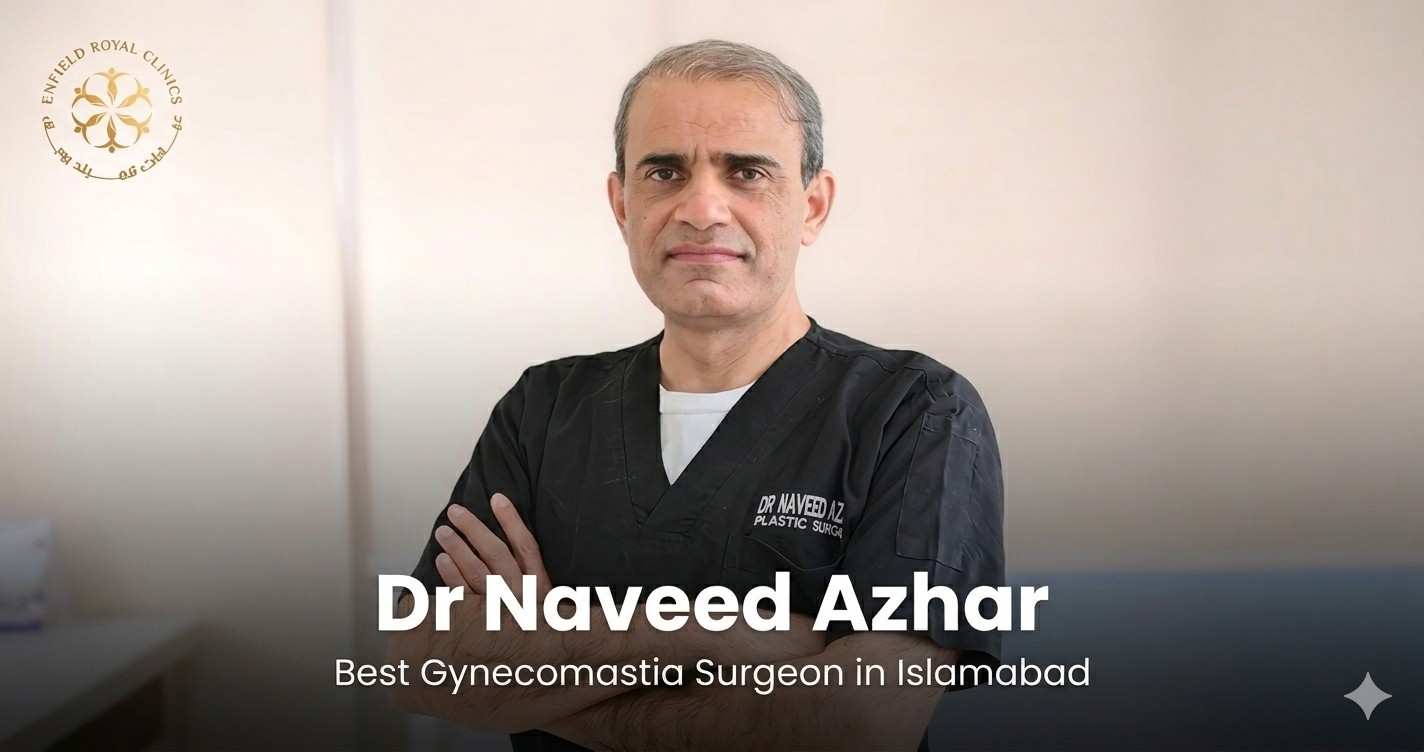
These factors help ensure a safe procedure and satisfactory results for patients. Some individuals consult specialists such as Dr. Naveed Azhar for professional evaluation and treatment planning.
Recovery After Gynecomastia Surgery
Recovery after gynecomastia surgery usually takes several weeks, although many patients can return to light activities within a few days. During the early recovery stage, mild swelling and bruising may occur, which gradually improves over time.
Doctors often recommend wearing compression garments to support the chest and reduce swelling. Patients are also advised to avoid strenuous exercise until the body has healed properly. Regular follow-up visits help ensure that the healing process progresses smoothly.
Benefits of Treating Gynecomastia
Treating gynecomastia can provide both physical and psychological benefits. Many men experience a boost in confidence once the condition is corrected.
Some key benefits include:
- Improved chest contour and body proportion
- Greater confidence in social settings
- Reduced tenderness and discomfort
- Better posture and clothing fit
- Long-term improvement in body image
These positive outcomes often motivate individuals to explore treatment options when the condition becomes persistent.
Maintaining Results Through Healthy Habits
After treatment, maintaining a healthy lifestyle helps ensure long-term results. Adopting simple habits can support overall well-being and prevent hormonal imbalances.
Helpful habits include:
- Maintaining a balanced and nutritious diet
- Exercising regularly
- Avoiding steroid use
- Limiting alcohol consumption
- Monitoring body weight and health
These practices support recovery and help maintain a natural chest appearance over time.
Conclusion
Gynecomastia is a common condition that can affect men physically and emotionally. Although it may feel uncomfortable to discuss, understanding the condition is an important step toward finding effective solutions. Learning about gynecomastia symptoms, causes, and treatment methods helps individuals make informed decisions about their health.
Men researching the best gynecomastia surgeon in Islamabad often begin by gathering information about the available treatments and recovery process. With proper medical guidance, lifestyle adjustments, and professional care, gynecomastia can be successfully managed, helping individuals regain confidence and improve their overall quality of life.