
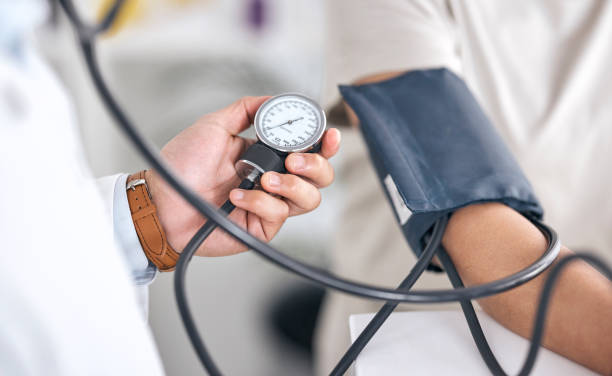
High blood pressure can feel sneaky. You may feel fine, yet the numbers keep creeping up. That matters because sustained high pressure can slowly strain your heart, brain, kidneys, and eyes. However, you don’t have to fix everything at once. In addition, you need a steady plan and a care team that knows you.
That’s where primary care in Carmichael CA can make things simpler. Your primary care plan is not just a once-a-year visit. Instead, it’s a routine that helps you track your numbers, adjust habits, and use medicine safely when you need it. Meanwhile, you stay in control—day by day, step by step.
Primary Care in Carmichael CA: Your Home Base
Think of your primary care clinician as your “quarterback.” They keep the whole plan organized. Because blood pressure is affected by sleep, stress, diet, weight, and other factors, you want one place that ties it all together.
Here’s what a strong primary care plan usually includes:
- A clear blood pressure goal that fits your life
- A simple schedule for checkups and labs
- Help choosing the right home monitor and cuff size
- Medicine reviews to cut side effects and confusion
- A plan for other risks, like diabetes, kidney disease, or high cholesterol
Also, your visits should feel like a team effort. Bring your questions. Bring your readings. Therefore, each appointment becomes a minor tune-up, not a scary surprise.
Know Your Numbers Without Overthinking
Blood pressure has two numbers. The top number is the systolic pressure, which is created when your heart squeezes. The bottom number is the diastolic pressure when your heart relaxes. A single reading is a snapshot. However, a pattern over time tells the real story.
Here’s the simple guide:
- Normal: less than 120 / less than 80
- Elevated: 120–129 / less than 80
- Stage 1: 130–139 or 80–89
- Stage 2: 140+ or 90+
Also, know the emergency line: if your reading is over 180 and/or 120, and you have symptoms such as chest pain, shortness of breath, weakness, or trouble speaking, call 911.
Get Home Readings You Can Trust
Home checks are powerful because they show your real life, not just “doctor office nerves.” Even so, they only help if you measure correctly.
A Quick “Do This Now” Checklist
Try this today, then repeat most days for a week:
- Sit still for 5 minutes. Don’t talk.
- Put both feet on the floor. Don’t cross your legs.
- Rest your arm at heart level on a table.
- Use the right cuff size on bare skin.
- Take 2 readings, 1 minute apart. Write both down.
Meanwhile, bring your log (or phone notes) to visit. Because patterns guide decisions, your clinician can adjust your plan with confidence.
Where Blood Pressure Numbers Come From
| Method | What It Is | Best For | Simple Tip |
|---|---|---|---|
| Office Reading | Checked in the clinic | Baseline + exams | Ask for a repeat after a few minutes |
| Home Monitor | Checked at home | Daily patterns | Measure at the same time each day |
| 24-Hour Monitor | Worn for a day | Confirming diagnosis | Use it if your clinician suggests it |
Eat And Drink in a Way That Helps
Food changes don’t have to be perfect. Instead, aim for “better than yesterday.” Because salt (sodium) can pull water into your blood vessels, too much can raise pressure for many people. Also, ultra-processed foods hide a lot of salt.
Try these simple swaps:
- Choose “no salt added” canned beans or rinse them
- Pick grilled or baked foods more often than fried ones
- Use lemon, garlic, pepper, and herbs instead of extra salt
- Drink water first; keep sugary drinks to “sometimes.”
If you’re using primary care in Carmichael CA, ask your clinician for one food goal you can stick to for two weeks. Therefore, you build wins that last. Also, if alcohol is part of your routine, talk about a safe limit for you—because “too much” can push numbers up.
Move Your Body in a Simple Way
Exercise doesn’t need fancy gear. It requires consistency—even a brisk walk counts. Meanwhile, moving more can help your blood vessels relax and can support weight loss if that’s a goal.
Here’s a simple starter plan:
- Walk 10 minutes after one meal each day
- After a week, add a second 10-minute walk
- Add light strength work 2 days a week (bodyweight is fine)
Also, don’t ignore sleep. Poor sleep and loud snoring can be linked to sleep apnea, which can raise blood pressure. So, if you wake up tired most days, bring it up. With primary care in Carmichael CA, you can get screened and decide what to do next without guessing.
Take Meds Smartly and Safely
Some people can lower their blood pressure with habits alone. However, many people also need medicine, and that is not a failure. It’s a tool. The goal is simple: lower risk over time while keeping side effects low.
A few but easy tips that really help:
- Take meds at the same time daily, tied to a routine (like brushing teeth)
- Use a weekly pill box to avoid missed doses
- Don’t stop a med suddenly without checking in
- Tell your clinician about dizziness, swelling, cough, or fatigue
Also, ask this direct question: “What should I do if my home readings run high for three days?” With primary care in Carmichael CA, you can get a clear action plan, so you don’t panic—or ignore it.
The Calm Plan That Actually Sticks
High blood pressure becomes easier to manage when your plan feels normal. Track your numbers. Keep food and movement simple. Use meds wisely when needed. Then keep adjusting, one small step at a time.
If you want a steady partner for this, Thomas Reda, MD, can help you build a primary care plan that fits your day-to-day life—and keep it practical, not stressful.
