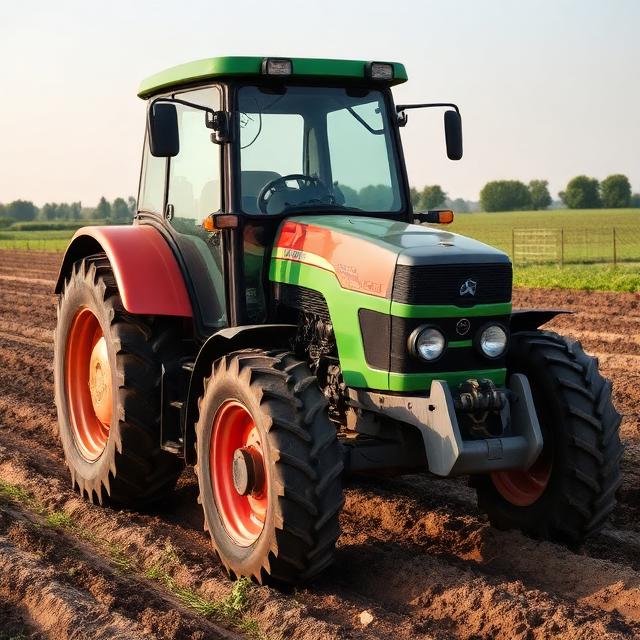
Dawn still arrives cold and quiet on British farms. Engines turn over in frozen yards from Somerset to Sutherland, headlights cut through mist across Norfolk fenland, generators keep livestock sheds warm in the Welsh hills. The work is the same, the pressure is the same, yet more growers are discovering one small change inside the tank that is quietly reshaping their entire operation. Agricultural oil suppliers are fielding more calls about Hydrotreated Vegetable Oil than ever before. HVO Fuel Suppliers UK are seeing the reason first-hand: HVO – refined entirely from waste cooking oils, animal fats and certified non-food residues – cuts net lifecycle CO₂ emissions by up to 90%, starts more reliably in sub-zero temperatures, burns with far less smoke and soot, and fits straight into every existing tractor, combine, sprayer, telehandler, generator and bulk tank without a single modification, additive or warranty concern.
The Daily Stakes That Haven’t Changed – and the Fuel That Now Does

British farming runs on razor-thin timing. A missed delivery during harvest can erase weeks of work; a generator that falters can spoil high-value chilled produce; a livestock shed that loses heat overnight can turn profit into loss. Agricultural oil suppliers have always understood these stakes. They maintain depots positioned to serve every corner of the four nations, tankers equipped for narrow lanes and sudden snow, 24–48-hour standard delivery with genuine emergency and weekend service during peak periods, telemetry that prevents dry tanks, seasonal forecasting tied to weather models, bund-compliant tank guidance, and invoicing aligned with subsidy cycles and livestock payments. That same rural-first supply chain now delivers HVO with identical urgency and dependability – the cleaner fuel arrives exactly when the farm needs it, no gaps, no disruption.
The Clean, Waste-Based Process Behind HVO’s Performance

HVO begins with materials society already discards in large volumes: used cooking oils collected from restaurants and food manufacturers, animal fats from approved rendering plants, and non-food residues screened to eliminate any indirect land-use impact. These feedstocks undergo hydrotreatment – high-pressure, high-temperature reaction with hydrogen and specialised catalysts – which removes oxygen, saturates carbon bonds and strips away impurities. The outcome is a clear, stable, high-cetane paraffinic diesel that meets EN 15940 and is chemically so close to fossil diesel that it is treated as equivalent in every specification. No engine software updates. No fuel-system retrofits. No seal or injector changes. No additives. No warranty risks. Full approvals cover current and recent models from John Deere, CLAAS, New Holland, Fendt, Case IH, Massey Ferguson, Kubota, JCB and most other brands. HVO Fuel Suppliers UK supply only product certified under ISCC-EU, RFAS or RED II-equivalent schemes, providing complete batch traceability and documentation ready for retailer audits, Scope 1 reporting and grant applications.
How HVO Performs Where UK Farms Need It Most

UK conditions remain brutal on fuel: overnight lows plunging to -18 °C on exposed moorland, condensation sitting in tanks for weeks during persistent rain, extended low-load idling during precision spraying, heavy draft work through saturated ground or steep gradients. HVO is built for exactly these challenges. Its cetane number – routinely 75–85 – delivers near-instant, clean ignition from cold, eliminating white smoke, reducing engine noise and providing smoother torque across the rev range. Cold-flow performance keeps the fuel liquid and filterable well below -30 °C in most grades, completely erasing the gelling and line-blockage problems that have plagued FAME biodiesel for decades. The ultra-clean combustion generates far lower particulates, NOx and soot, resulting in visibly clearer exhaust, much slower carbon accumulation in DPFs, EGR systems and injectors, and significantly extended service intervals. Farmers consistently report fewer emergency workshop visits, cleaner oil analysis results, quieter machinery and the unmistakable sense that the engine is working with less effort.
The Full Picture – Where the Real Savings Emerge
HVO typically costs 15–25 pence per litre more than gas oil in early 2026, depending on volume commitment, contract structure and regional supply. Yet when viewed across a full season or two, the economics frequently favour adoption. Cleaner combustion dramatically reduces annual expenditure on filters, injectors, pumps and after-treatment hardware – many operations see maintenance budgets fall 20–35%. The high cetane and near-perfect combustion can produce small but repeatable efficiency gains under part-load conditions common in UK fieldwork. Deferred replacement of expensive components frees capital. Most significantly, the 85–90% net CO₂ reduction provides concrete, auditable evidence for Scope 1 reporting, strengthens eligibility under the Sustainable Farming Incentive and private carbon schemes, and directly enables premium payments from supermarkets, processors and food manufacturers enforcing low-emission supply chains. HVO Fuel Suppliers UK make these advantages practical with intuitive carbon calculators, granular lifecycle reports, staged rollout plans and fixed-price forward contracts to hedge volatility.
The HVO Fuel Suppliers UK Farmers Are Partnering With
A strong, competitive group of HVO Fuel Suppliers UK serves agriculture with genuine rural understanding and nationwide coverage. Crown Oil is widely respected for forensic traceability and expert transition support; Speedy Fuels and Beesley Fuels for lightning-fast delivery during harvest and drilling windows; Compass Fuels for personal, farmer-centred account management and competitive bulk rates; Certas Energy for its extensive depot network that reaches even the most isolated locations; Moorland Fuels for practical, experience-driven guidance that removes complexity; Watson Fuels, Rix Petroleum, Nationwide Fuels and BWOC for flexible order quantities, free site compatibility assessments and reliable out-of-hours supply. These suppliers typically provide complimentary tank surveys, carbon-reporting toolkits, 24–48-hour standard turnaround, and account managers who instinctively recognise the urgency of a weather-delayed harvest or a sudden cold snap threatening youngstock.
The Advantage That’s Becoming Clearer Every Week
In February 2026 the question isn’t whether HVO is a good idea – it’s whether a farm can afford to wait any longer. HVO Fuel Suppliers UK are delivering a fuel that dramatically reduces emissions, protects machinery, strengthens grant and premium eligibility, and – when viewed across a full operating year – frequently lowers the real cost of keeping the farm running. On a raw winter morning, when the engine catches cleanly on the first turn, the exhaust runs clear and the knowledge settles in that the tank now holds fuel aligned with both today’s margins and tomorrow’s land, the switch stops feeling like an extra expense and starts feeling like the decisive edge British farming needs right now.