In the custom apparel and promotional products industry, precision and turnaround time directly affect customer satisfaction and profitability. Whether you manage an embroidery shop, operate a clothing brand, or handle corporate merchandise, the quality of your embroidery begins with professional digitizing. Online embroidery digitizing services provide a reliable way to convert artwork into machine-ready stitch files that ensure consistent and high-quality results.
As demand for custom embroidery continues to grow, businesses increasingly rely on experienced digitizers who understand stitch mechanics, fabric behavior, and machine compatibility. Choosing the right online digitizing partner can significantly reduce production errors and improve final output.
What Are Online Embroidery Digitizing Services?
Online embroidery digitizing services convert logos, images, and design files into digital embroidery formats compatible with commercial and home embroidery machines. This is not a simple file conversion. It is a technical process that requires manual planning of stitch paths, density levels, underlay types, and sequencing.
A professional digitizer analyzes each design and fabric type before creating a file in formats such as DST, PES, EXP, or JEF. The final file instructs the embroidery machine on how to stitch the design accurately, ensuring proper alignment, clean edges, and thread efficiency.
Because these services operate online, customers can submit artwork, specify requirements, and receive completed files quickly, helping businesses maintain steady production schedules.
Why Professional Digitizing Is Essential
Embroidery machines cannot interpret image files like JPG or PNG without digitizing. When artwork is poorly digitized, the results often include uneven stitching, puckering, thread breaks, or distorted text.
Professional digitizing helps ensure:
- Correct stitch density based on fabric type
- Proper underlay to stabilize the design
- Smooth curves and sharp lettering
- Balanced thread sequencing
- Reduced machine downtime
- Consistent production quality
Experienced digitizers understand how different materials respond to stitching. For example, caps require different stitch compensation compared to flat garments, and thick fabrics demand different density settings than lightweight materials. This technical knowledge prevents costly production mistakes.
Benefits of Using Online Embroidery Digitizing Services
1. Faster Turnaround
Online services streamline communication and file delivery. Many providers offer rapid turnaround options, which is especially useful for time-sensitive corporate orders and event merchandise.
2. Cost Efficiency
Hiring an in-house digitizer may not be practical for small to mid-sized businesses. Online services allow companies to pay per design, reducing overhead while maintaining professional standards.
3. Access to Skilled Digitizers
Reputable online digitizing providers employ experienced professionals who work with various design types, including:
- Corporate logos
- 3D puff embroidery
- Appliqué patterns
- Monograms and text-based designs
- Large back patches
- Cap embroidery
Their experience across industries helps ensure consistent quality regardless of design complexity.
4. Machine Compatibility
Professional services deliver files compatible with leading embroidery machines. This reduces technical issues and ensures smoother production runs.
How the Online Digitizing Process Works
The process typically follows a structured workflow to maintain quality and consistency.
First, the customer uploads artwork and provides details such as size, placement, fabric type, and preferred file format. Next, the digitizer evaluates the design to determine stitch strategy and compensation requirements.
The artwork is then manually digitized using specialized software. After completion, the file undergoes a quality check to verify stitch paths and sequencing. Finally, the machine-ready file is delivered electronically to the customer.
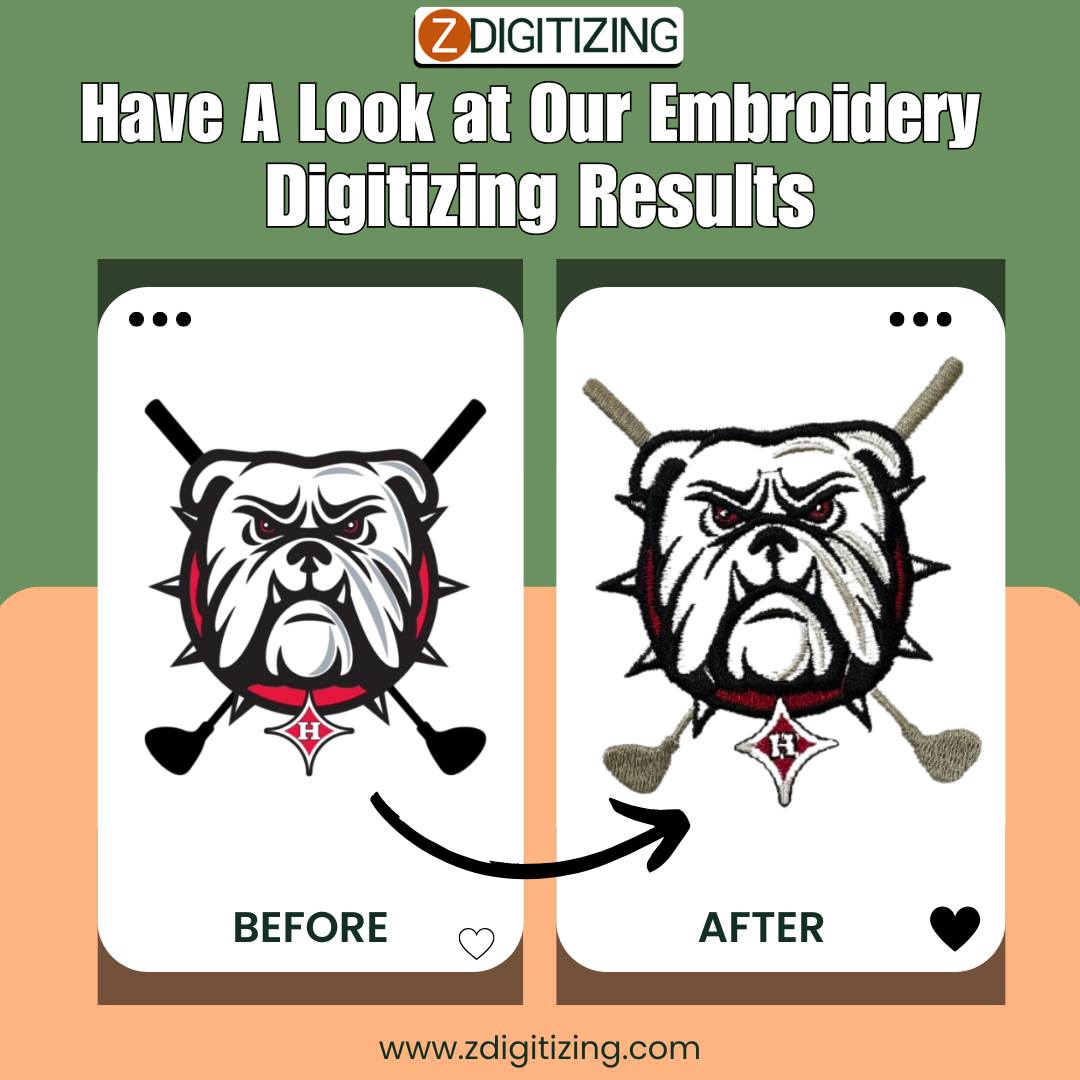
This systematic approach ensures that the embroidered result closely matches the original design.
What to Look for in a Reliable Digitizing Service
Selecting a trustworthy provider requires careful evaluation. Businesses should prioritize:
- Manual digitizing rather than automated conversion
- Clear pricing policies
- Transparent revision procedures
- Responsive customer support
- Secure handling of artwork files
Manual digitizing remains the preferred method because it allows precise control over stitch direction and density. Automated tools may work for simple graphics but often fail with detailed logos and small lettering.
Technology and Quality Control in Modern Digitizing
Advanced embroidery software allows digitizers to simulate stitch-outs before final delivery. This preview function helps identify potential issues such as gaps, excessive density, or overlapping stitches.
Many online platforms also provide order tracking, organized file storage, and secure payment systems. These features improve workflow efficiency and build trust between service providers and clients.
Industries That Depend on Online Digitizing
Online embroidery digitizing services support a broad range of industries, including apparel brands, sports organizations, uniform suppliers, promotional product distributors, and independent embroidery shops. As customization becomes more common in branding and merchandise, reliable digitizing services remain essential for consistent production quality.
Final Thoughts
Online embroidery digitizing services offer a practical and professional solution for converting artwork into precise stitch files. By working with experienced digitizers, businesses can reduce production errors, improve efficiency, and maintain consistent embroidery standards.
Quality digitizing is not just a technical step; it directly influences how a brand is represented on garments and merchandise. Investing in skilled online digitizing services helps ensure accuracy, durability, and long-term customer satisfaction.
Frequently Asked Questions (FAQs)
1. What file format do I need for my embroidery machine?
The required format depends on your machine model. Common formats include DST, PES, EXP, and JEF. Most online digitizing services can provide files in multiple formats upon request.
2. How long does online embroidery digitizing take?
Turnaround time varies by provider and design complexity. Simple designs may be completed within 12–24 hours, while more detailed artwork can take longer.
3. Can any image be digitized for embroidery?
Most images can be digitized, but highly detailed graphics may need simplification to ensure clean stitching. Professional digitizers often recommend adjustments for better embroidery results.
4. Why is manual digitizing better than auto-digitizing?
Manual digitizing allows precise control over stitch direction, density, and compensation. Auto-digitizing software often produces inconsistent results, especially for complex logos or small text.