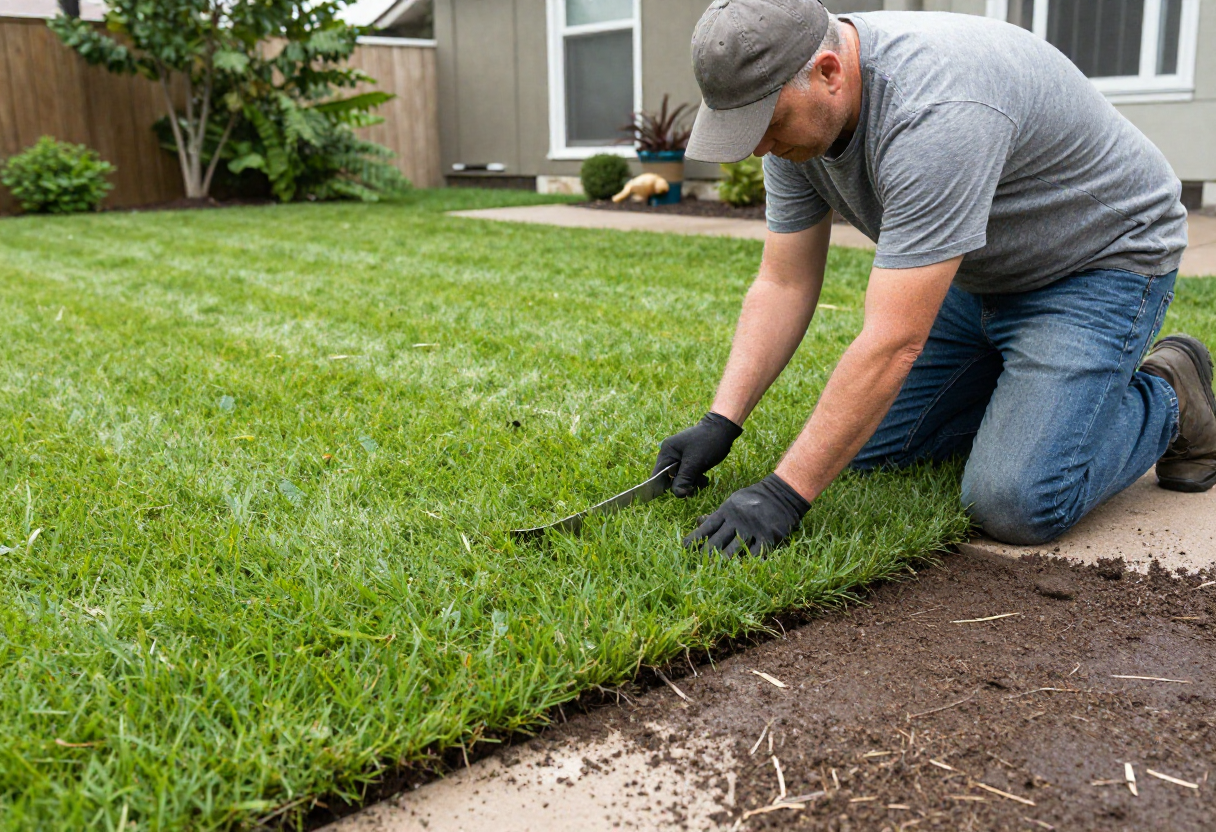
Replacing your lawn can transform your outdoor space enhancing curb appeal, improving playability, and increasing property value. But before you lift a spade or order turf, it’s crucial to understand lawn replacement cost, the factors that influence it, and how to plan your budget effectively.
Whether you’re replacing patchy grass with lush turf or considering a full lawn makeover, this guide walks you through everything you need to know before starting.
Why Lawn Replacement Matters
A healthy lawn isn’t just about aesthetics. It improves air quality, cools your outdoor environment, and provides a comfortable space for family and pets. However, age, pests, compacted soil, and poor drainage can all contribute to a lawn’s decline, leading homeowners to opt for a full grass replacement.
Because it’s one of the larger landscaping projects you can undertake, understanding the lawn replacement cost helps you make informed decisions whether you choose to do it yourself or hire professionals.
What Does Lawn Replacement Cost Typically Include?
When planning a lawn replacement, several components make up the total cost:
1. Site Preparation Cost
Before laying new grass, the existing lawn may need to be removed, which involves:
- Turf or sod removal
- Weed and root clearance
- Soil cultivation and grading
- Adding topsoil or soil amendments
Proper preparation ensures healthy grass growth and good drainage but it adds to the lawn replacement cost. For lawns with uneven ground or heavy clay soil, expect the site preparation phase to be more time-intensive and pricier.
2. Turf or Seed Cost
Your choice between natural turf and seed significantly affects cost:
- Natural turf (pre-grown grass mats) — More expensive but delivers instant results.
- Grass seed — Less costly but takes time to establish.
For most homeowners seeking a quick lawn transformation, natural turf is the preferred option despite higher upfront costs.
3. Labour or Installation Cost
Whether installing turf yourself or hiring landscaping professionals, labour is a big part of the turf installation cost. DIY installation saves money but requires physical effort and know-how. Professional installation ensures optimal laying techniques and results particularly for large or challenging spaces.
4. Aftercare and Maintenance Products
Good aftercare (fertiliser, watering systems, lawn rollers) isn’t usually included in a basic quote but should be factored into your budget. Quality aftercare extends the life of your new lawn and protects your investment.
Key Factors That Influence Lawn Replacement Cost
Understanding the variables that affect price helps you plan better. Here are the most common:
Size of the Lawn
The larger the area, the higher the lawn replacement cost. Costs are often calculated per square metre. A small front lawn may cost a few hundred pounds, while a large backyard could run into the thousands.
Type of Grass or Turf
Premium turf varieties such as drought-tolerant, fine fescue, or high-traffic grasses cost more but offer better performance. Speak to specialists like The Surrey Lawn Turf Laying Co to select the best turf type for your climate and usage.
Accessibility and Terrain
If your lawn has slopes, tight corners, or poor access for machinery, labour time increases, as does the final cost.
Soil Condition
Healthy, well-draining soil makes turf laying easier. Poor soil may require additional topsoil, sand for levelling, or organic matter, increasing preparation costs.
Professional vs DIY
DIY installation cuts labour costs but may not produce the best results if you lack experience. Hiring professionals like The Surrey Lawn Turf Laying Co guarantees correct installation and typically comes with warranties or service assurances.
DIY vs Professional Lawn Replacement: What’s Best?
Making the right choice between DIY and professional installation depends on your budget, experience, and the lawn’s condition.
DIY Lawn Replacement
Pros
- Lower upfront cost
- Flexible schedule
- Personal satisfaction
Cons
- Time-consuming
- Risk of mistakes
- May need specialised tools
DIY can be a great option for small lawns if you’re confident in your landscaping skills and have help on hand. Be honest about the time and energy involved.
Professional Lawn Replacement
Pros
- Expert site assessment and preparation
- Flawless turf laying
- Often faster and more reliable
Cons
- Higher initial cost
For most homeowners, the extra cost of professional installation is worth the peace of mind and superior long-term results. Companies like The Surrey Lawn Turf Laying Co have years of experience and know how to limit mistakes that can arise from improper preparation or laying.
How to Estimate Lawn Replacement Cost
While prices vary by region, turf quality, labour rates, and lawn size, here’s a simple way to estimate your total:
- Measure Your Lawn – Calculate the area in square metres.
- Get Turf Prices – Contact local suppliers for cost per square metre.
- Add Site Prep Costs – Factor in removal and soil conditioning.
- Include Labour – DIY or professional rates.
- Include Aftercare Supplies – Fertiliser, seed (if needed), watering tools.
A detailed quote from a reputable installer will break these costs down. Always compare multiple quotes before committing.
Tips to Reduce Lawn Replacement Cost
Replacing your lawn is an investment but here are ways to keep costs manageable:
- Choose the right time of year – Spring and autumn are often cheaper and better suited for lawn establishment.
- Prepare the site yourself – If comfortable, do the basic clearing and levelling to reduce labour hours.
- Buy turf in bulk – Larger orders may attract discounts.
- Compare suppliers – Price and quality vary.
Even with savings in mind, don’t skip essential preparation steps cutting corners here can cost more in future repairs.
Natural Grass vs Artificial Turf: Cost Considerations
Another decision is whether to install natural grass or artificial turf:
- Natural grass has higher ongoing maintenance (mowing, watering) but lower upfront cost compared to premium artificial surfaces.
- Artificial turf often has a higher initial outlay, yet saves time and money on maintenance over years.
Your choice should reflect your lifestyle, budget, and environmental priorities.
Conclusion
Understanding the lawn replacement cost before starting helps you plan effectively, avoid surprises, and achieve a lawn you’ll love. From site preparation and turf selection to installation and maintenance, each step contributes to the final price.
Whether you’ll tackle the project yourself or hire experts, arm yourself with accurate measurements, clear priorities, and realistic expectations. Professional installers like The Surrey Lawn Turf Laying Co can guide you through the process from choosing the best turf variety to ensuring it thrives long after installation.
Frequently Asked Questions
1. What is the average lawn replacement cost per square metre?
Lawn replacement costs vary depending on turf type, site conditions, and whether you hire professionals. Most quotes are given per square metre and may rise with premium turf or difficult terrain.
2. Should I choose grass seed or turf for my lawn replacement?
Turf gives instant results and is ideal for finished lawns, while seed is more budget-friendly but takes longer to establish. Your choice depends on time, budget, and desired outcome.
3. Can I replace my lawn myself?
Yes, but DIY lawn replacement requires proper tools, time, and some landscaping knowledge. Mistakes during preparation or laying can affect turf health, so weigh the pros and cons carefully.
4. How long does a new lawn take to establish?
Natural turf usually starts rooting within two to three weeks, but it takes several months to fully establish. Proper watering and care are essential during this period.
5. Does lawn replacement cost include aftercare?
Standard quotes may not include aftercare products like fertiliser, lawn rollers, or irrigation systems. Always confirm what’s included with your installer and budget for any extras.