
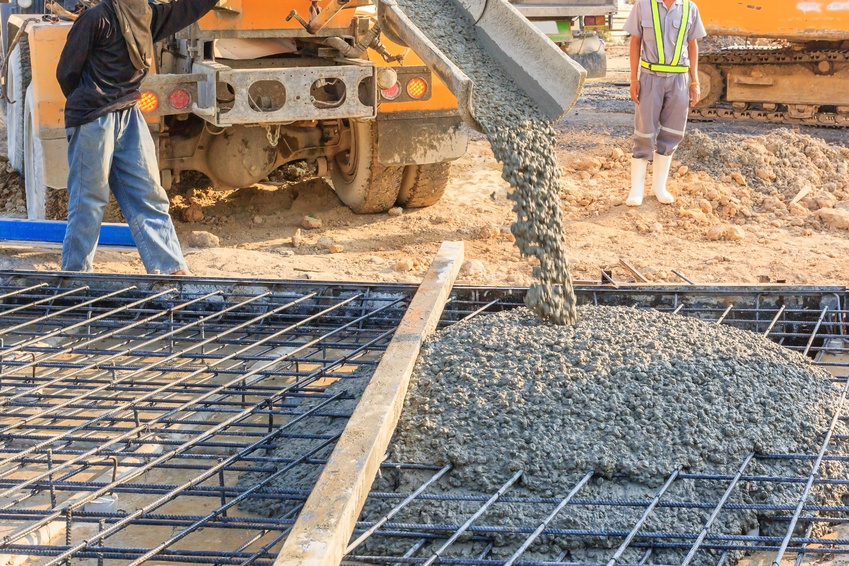
Every building needs a solid foundation to stand strong and safe. Without a proper base, even the best-designed structure can face cracks, tilting, or even collapse. One of the most common and reliable types of foundations used in construction is the spread footing.
If you are building a house, a commercial complex, or a small bridge, it’s important to understand how spread footing works and why engineers use it so often. In this blog, we will explain what spread footing is, how it works, the different types, and why it is such an important part of construction.
What Is Spread Footing?
A spread footing is a type of shallow foundation. It spreads the load of a building or structure over a larger area of soil. The name “spread footing” comes from the fact that it spreads or distributes the building’s weight evenly to prevent the ground from sinking.
In simple words, a spread footing acts like a wide, flat shoe for the building. It helps the structure “stand” on the soil without putting too much pressure on one spot. Most spread footings are made of reinforced concrete and are built under columns or walls that carry the load of the structure.
The main goal of a spread footing is to make sure that the soil beneath the building can safely handle its weight. When designed and built correctly, it keeps the building stable and prevents settlement or movement.
How Spread Footing Works
To understand how spread footing works, imagine placing a heavy box on soft soil. If you put it directly on the ground, the box might sink. But if you put a large wooden board under it, the board spreads the weight and keeps it from sinking. That’s exactly what a spread footing does for a building.
Here’s how the process works step by step:
- Engineers calculate how much load the building will put on the foundation.
- They test the soil to find its bearing capacity this means how much weight the soil can hold without failing.
- Based on these numbers, they design a footing that’s wide enough to spread the load safely.
- Workers then build the footing using reinforced concrete at the required depth.
- Once the footing is ready, columns or walls are placed on top of it.
By spreading the weight across a larger area, the pressure on the soil stays within safe limits. This makes the building stable and long-lasting.
Types of Spread Footing
Spread footings come in different shapes and designs based on the type of building and soil conditions. Here are the most common types:
1. Isolated Footing (Single Footing)
An isolated footing supports a single column. It is usually square, rectangular, or circular. Engineers use this type when the columns are placed far apart. Each column has its own individual footing.
For example, a small house or an open hall building with separate pillars often uses isolated footings.
2. Combined Footing
When two or more columns are close to each other and their individual footings would overlap, engineers use a combined footing. This type connects the columns through a single large footing to share the load equally.
Combined footings are usually rectangular or trapezoidal in shape.
3. Strap Footing (Cantilever Footing)
In a strap footing, two isolated footings are joined by a connecting beam called a strap or a tie beam. This helps distribute the load evenly without increasing the size of the footing.
This type is useful when a column is close to the edge of a property and there isn’t enough space for a full-sized footing.
4. Wall Footing (Continuous Footing)
A wall footing runs continuously under a load-bearing wall. It spreads the wall’s load evenly along its length.
Wall footings are common in small houses, compound walls, and low-rise buildings where the loads are moderate.
Advantages of Spread Footing
Spread footing is one of the most widely used types of foundation because it offers many benefits.
1. Simple to Design and Build
Spread footings are easy to design using basic engineering principles. Construction is straightforward, and the process does not require specialized equipment. Builders can construct them quickly and efficiently.
2. Cost-Effective
Since spread footings are shallow and use less concrete and steel compared to deep foundations, they are more affordable. They also reduce labor and excavation costs, making them a budget-friendly option for most projects.
3. Strong and Durable
When built with good-quality materials, spread footings can last for decades. They provide strong support and resist both vertical and horizontal forces. Their durability makes them ideal for all kinds of buildings.
4. Suitable for Many Soil Types
Spread footings work best on soils that are firm and have a good bearing capacity, such as sand or gravel. With proper design, they can also perform well in moderately soft soils.
5. Low Maintenance
Once built, a spread footing requires little maintenance. It stays strong even in changing weather conditions and doesn’t need frequent repairs.
Disadvantages of Spread Footing
Even though spread footings are popular, they are not suitable for every situation.
- They don’t perform well on very weak or loose soils because the footing would need to be too large to support the load.
- They are not ideal when the firm soil layer lies deep underground in such cases, deep foundations like piles are better.
- Spread footings can be affected by high groundwater levels, which can weaken the soil and cause instability if proper drainage isn’t provided.
Engineers must study the site conditions carefully before deciding if a spread footing is suitable.
Design Factors for Spread Footing
Designing a safe and effective spread footing requires careful planning. Engineers must consider several important factors:
- Load of the Structure: They must calculate all the loads including the building’s weight, live loads, and wind or earthquake forces.
- Soil Bearing Capacity: The foundation must rest on soil strong enough to carry the load.
- Depth of Footing: It should be deep enough to avoid frost and protect against soil movement.
- Reinforcement: Steel bars (rebars) are placed inside the concrete to increase its strength and prevent cracking.
- Size and Shape: The size depends on the load and soil strength. Footings are usually rectangular or square for balance.
- Drainage: Good drainage around the foundation prevents water from weakening the soil.
By following these principles, engineers ensure that the footing remains strong and safe throughout the building’s life.
Construction Process of Spread Footing
Here’s how a typical spread footing is constructed:
- Site Preparation: Workers clear the area and mark the location of footings.
- Excavation: The soil is dug to the required depth and leveled.
- Formwork: Wooden or steel forms are placed to hold the shape of the concrete.
- Reinforcement Placement: Steel bars are arranged according to the design.
- Concrete Pouring: Concrete is poured into the formwork and compacted to remove air bubbles.
- Curing: The concrete is kept moist for several days to gain full strength.
Once cured, the footing is ready to carry the load of columns or walls.
Real-Life Uses of Spread Footing
Spread footings are used in many construction projects, such as:
- Residential houses and small apartment buildings
- Commercial structures like offices and warehouses
- Public buildings including schools, hospitals, and community halls
- Retaining walls and bridge abutments
- Industrial buildings and machine foundations
Because they are easy to build, durable, and affordable, spread footings remain one of the most trusted foundation choices worldwide.
Conclusion
A spread footing is the backbone of a safe and long-lasting building. It spreads the weight of a structure evenly across the soil, keeping it stable and secure. Its simple design, low cost, and strong performance make it the go-to foundation for many types of projects.
Whether you are building a small home or a large commercial building, choosing the right spread footing design ensures strength, safety, and peace of mind for years to come.
