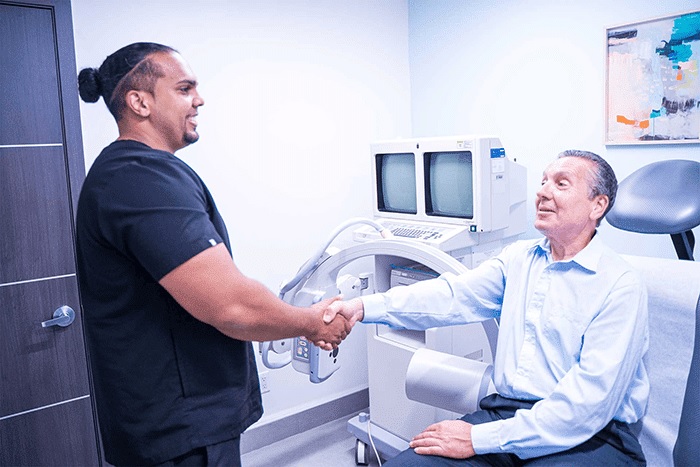
Vein problems, including varicose veins and spider veins, affect millions of people across the country. If you notice bulging veins, leg pain, or swelling, seeking professional evaluation is crucial. But how do Centers for Vein Treatment in New Jersey diagnose these issues effectively? Understanding the process helps patients make informed decisions about their care. At Vein Treatment New Jersey, we prioritize accurate diagnosis to ensure the most effective treatment plans.
What Are the Common Symptoms That Indicate a Vein Problem?
Before visiting a vein treatment center, it is helpful to recognize common warning signs. Patients often report:
- Visible bulging veins, especially in the legs
- Swelling or heaviness in the lower extremities
- Leg pain or cramping after prolonged standing
- Skin discoloration or ulcers near the ankle
Not all vein problems cause visible symptoms. Therefore, even mild discomfort should prompt an evaluation. Knowing what to look for can lead to early diagnosis, reducing the risk of complications.
Which Type of Doctor Specializes in Treating Vein Conditions?
Many patients ask, “What Kind of Doctor Treats Varicose Veins?” The answer can vary depending on the complexity of the vein condition. Common specialists include:
- Vascular Surgeons – Experts in surgical treatment of veins and arteries.
- Phlebologists – Doctors specializing specifically in vein disorders.
- Interventional Radiologists – Physicians who use minimally invasive techniques guided by imaging technology.
At Centers for Vein Treatment in New Jersey, these professionals collaborate to provide a comprehensive assessment. They focus on both the visible veins and the underlying vascular issues that may not be immediately apparent.
How Do Vein Treatment Centers in New Jersey Conduct a Physical Examination?
A thorough physical examination is the first step in diagnosing vein problems. During this evaluation, the doctor will:
- Inspect the legs for bulging or twisted veins
- Check for skin changes, redness, or ulcers
- Assess leg swelling and measure circumference
- Observe patient posture and movement to understand circulation patterns
The physical exam provides crucial information about the severity of the vein condition and helps the doctor determine the next diagnostic steps.
What Advanced Diagnostic Tests Are Used at Vein Centers?
After the initial examination, Centers for Vein Treatment in New Jersey use advanced diagnostic tools to get a clear picture of vein health. These may include:
Duplex Ultrasound
Duplex ultrasound is the most common imaging test for vein problems. It uses sound waves to visualize blood flow and vein structure. This test helps detect:
- Blood clots
- Venous reflux (backward blood flow)
- Vein blockages or malformations
Duplex ultrasound is painless, non-invasive, and provides real-time images that guide treatment decisions.
Venography
In certain complex cases, doctors may recommend venography. This test involves injecting a contrast dye into the veins and taking X-rays to identify abnormalities. While less common than ultrasound, it is highly effective for mapping intricate vein networks.
Photoplethysmography
This non-invasive test measures changes in blood volume in the veins. It helps determine whether venous valves are functioning properly. Abnormal readings can indicate the presence of chronic venous insufficiency.
How Do Doctors Evaluate Risk Factors for Vein Disease?
Diagnosing vein problems involves more than examining the legs. Doctors also evaluate risk factors that contribute to vein disease, such as:
- Family history of varicose veins
- Age and hormonal changes
- Pregnancy or recent childbirth
- Obesity or prolonged periods of standing
At Vein Treatment New Jersey, specialists use this information to personalize diagnostic assessments. Understanding patient-specific risk factors improves accuracy and informs treatment recommendations.
How Do Specialists Determine the Severity of Vein Conditions?
After collecting diagnostic data, vein specialists classify the severity of the condition. Common classifications include:
- Mild – Spider veins or small varicose veins without pain
- Moderate – Larger varicose veins causing discomfort or swelling
- Severe – Extensive venous disease with ulcers or chronic skin changes
Severity assessment is essential because treatment strategies differ based on the stage of vein disease. Early detection often allows for minimally invasive interventions with faster recovery times.
Why Is a Comprehensive Vein Diagnosis Important?
A comprehensive diagnosis prevents mismanagement and ensures targeted treatment. For instance:
- Not all bulging veins require surgery; some respond well to lifestyle changes or compression therapy.
- Underlying venous insufficiency may cause recurring varicose veins if left untreated.
- Proper diagnosis reduces the risk of complications such as blood clots or venous ulcers.
Centers for Vein Treatment in New Jersey emphasize this holistic approach, focusing on both symptoms and root causes.
What Questions Should Patients Ask During Their Evaluation?
To maximize the benefits of a vein evaluation, patients should ask:
- “Which type of vein specialist is best for my condition?”
- “What diagnostic tests will be used, and why?”
- “Are there non-surgical options for my vein problem?”
- “What are the risks if the vein problem is left untreated?”
Being proactive with questions helps patients participate actively in their care and understand treatment options.
How Does Vein Treatment in New Jersey Personalize Care Plans?
Once the diagnosis is complete, specialists at Vein Treatment New Jersey create personalized treatment plans based on:
- Severity of the vein condition
- Patient lifestyle and activity level
- Health history and risk factors
- Patient preferences regarding procedures
Treatment may include minimally invasive procedures like endovenous laser therapy, sclerotherapy, or radiofrequency ablation. For severe cases, surgical options may be recommended.
How Do Centers for Vein Treatment Ensure Long-Term Results?
Accurate diagnosis is only the first step. Long-term results depend on ongoing monitoring and lifestyle adjustments. Specialists recommend:
- Wearing compression stockings as prescribed
- Maintaining a healthy weight
- Regular exercise to improve circulation
- Periodic follow-up appointments to track vein health
By combining expert diagnosis with lifestyle guidance, Vein Treatment New Jersey helps patients enjoy lasting relief from vein problems.
Conclusion: Why Timely Diagnosis Matters
Vein problems can range from a cosmetic concern to a serious medical condition. Accurate diagnosis at Centers for Vein Treatment in New Jersey ensures that patients receive the most effective, tailored care. By consulting specialists who understand “What Kind of Doctor Treats Varicose Veins,” patients can address issues early, reduce complications, and achieve better long-term results.
If you are experiencing leg pain, swelling, or visible veins, scheduling a professional evaluation is the first step toward healthier veins and improved quality of life.