
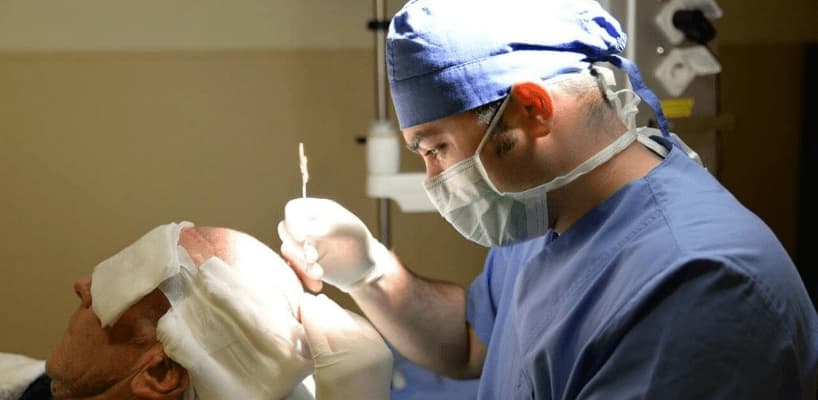
A Hair Transplant in Islamabad is an effective solution for restoring hair density, improving hairlines, and enhancing self-confidence. While modern techniques like FUE, FUT, Sapphire FUE, and DHI provide permanent results, maintaining transplanted hair over the long term requires proper care, healthy habits, and awareness of potential challenges. Understanding how to care for both transplanted and existing hair ensures optimal growth, durability, and a natural appearance. For professional consultation and personalized guidance, patients can visit Hair Transplant in Islamabad.
Importance of Long-Term Hair Maintenance
Hair transplants provide permanent follicles, but several factors influence long-term outcomes:
- Scalp Health: A healthy scalp encourages hair growth and reduces the risk of infections or complications.
- Ongoing Hair Loss: Non-transplanted hair may continue thinning over time, requiring additional interventions.
- Graft Survival: Proper maintenance ensures that transplanted follicles remain healthy and continue growing naturally.
- Overall Hair Density: Continuous care helps preserve the natural look and prevents future bald spots.
Maintaining transplanted hair is a combination of proper hygiene, lifestyle choices, and medical guidance.
Daily Hair Care Tips
1. Gentle Cleansing
Use mild shampoos recommended by your surgeon. Avoid harsh chemicals or sulfates that can irritate the scalp or damage follicles.
2. Regular Scalp Massage
Gentle scalp massages improve blood circulation, delivering nutrients to both transplanted and existing hair.
3. Avoid Excessive Styling
Minimize the use of heat styling tools, tight hairstyles, or chemical treatments that may stress hair follicles.
4. Hydration
Drink sufficient water to keep the scalp hydrated and maintain hair strength.
Nutrition and Supplements for Healthy Hair
Proper nutrition plays a key role in long-term hair health:
- Protein: Essential for hair keratin production. Include eggs, fish, legumes, and lean meats.
- Vitamins and Minerals: Biotin, zinc, iron, and vitamin D support follicle health and growth.
- Omega-3 Fatty Acids: Found in fish and flax seeds, these reduce inflammation and strengthen follicles.
Some patients may benefit from doctor-recommended supplements to enhance results, but these should always be taken under professional supervision.
Lifestyle Changes for Maintaining Transplanted Hair
1. Avoid Smoking and Excess Alcohol
Smoking reduces blood flow to the scalp, impairing follicle nourishment. Alcohol can lead to dehydration and negatively affect hair growth.
2. Stress Management
Stress triggers hormonal imbalances that may accelerate hair loss. Techniques such as yoga, meditation, and regular exercise can mitigate stress-related hair thinning.
3. Protect from Sun Damage
Prolonged sun exposure can dry the scalp and damage follicles. Wear a hat or use sunscreen on exposed scalp areas when outdoors.
4. Regular Exercise
Exercise improves blood circulation and overall health, which supports strong hair growth. Avoid rigorous activity immediately after surgery, but maintain moderate activity for long-term health.
Monitoring Hair Health
Regular self-checks and follow-up appointments with your surgeon are important:
- Look for Thinning Areas: Monitor both transplanted and native hair for changes in density.
- Check for Scalp Issues: Redness, irritation, or unusual shedding should be evaluated by a professional.
- Professional Assessments: Surgeons can recommend treatments or interventions if additional support is needed for non-transplanted hair.
Medical Treatments for Long-Term Support
Even after a successful transplant, some patients may benefit from complementary treatments:
- Topical Minoxidil: Encourages hair growth in thinning areas.
- Oral Medications (e.g., Finasteride): Helps slow hair loss in genetically susceptible areas.
- PRP Therapy: Platelet-rich plasma injections can improve follicle strength and growth.
Combining medical treatments with transplanted hair helps maintain density and prolongs natural-looking results.
Handling Hair Loss in Non-Transplanted Areas
Hair transplant does not prevent future hair loss in non-transplanted areas. Patients should:
- Discuss long-term hair loss patterns with the surgeon.
- Consider preventive treatments for thinning areas.
- Plan for potential future transplant sessions if necessary.
Strategic planning ensures a balanced, natural appearance over time.
FAQs
Is hair transplant permanent without maintenance?
Transplanted hair follicles are permanent, but proper care ensures optimal growth and longevity. Non-transplanted hair may continue thinning.
How often should I follow up with my surgeon?
Typically, patients should have follow-ups at 1 week, 1 month, 3 months, 6 months, and 12 months post-surgery, with annual checkups thereafter.
Can I use regular hair products after surgery?
Yes, but choose mild shampoos and avoid harsh chemicals or heat styling, especially during the first few months.
Do lifestyle habits really impact hair growth?
Yes, smoking, stress, poor diet, and dehydration can negatively affect both transplanted and existing hair.
Is sun exposure harmful for transplanted hair?
Yes, prolonged exposure may dry and damage the scalp. Always use protection like hats or sunscreen.
Can medical treatments enhance long-term results?
Yes, topical or oral treatments like minoxidil or finasteride and PRP therapy can support existing hair and maintain density.
Final Thoughts
A Hair Transplant in Islamabad is a highly effective, long-term solution for restoring hair, but achieving the best results requires ongoing care and lifestyle management. Proper hair care routines, nutrition, hydration, stress management, and sun protection are essential for maintaining transplanted hair and supporting existing follicles. Additionally, periodic medical treatments and professional follow-ups help preserve density and appearance. Clinics like SKN Cosmetics in Islamabad offer advanced hair restoration techniques, expert guidance, and personalized maintenance plans to ensure patients enjoy healthy, natural, and long-lasting results. For consultation and professional support in hair restoration, visit SKN Cosmetics today.


