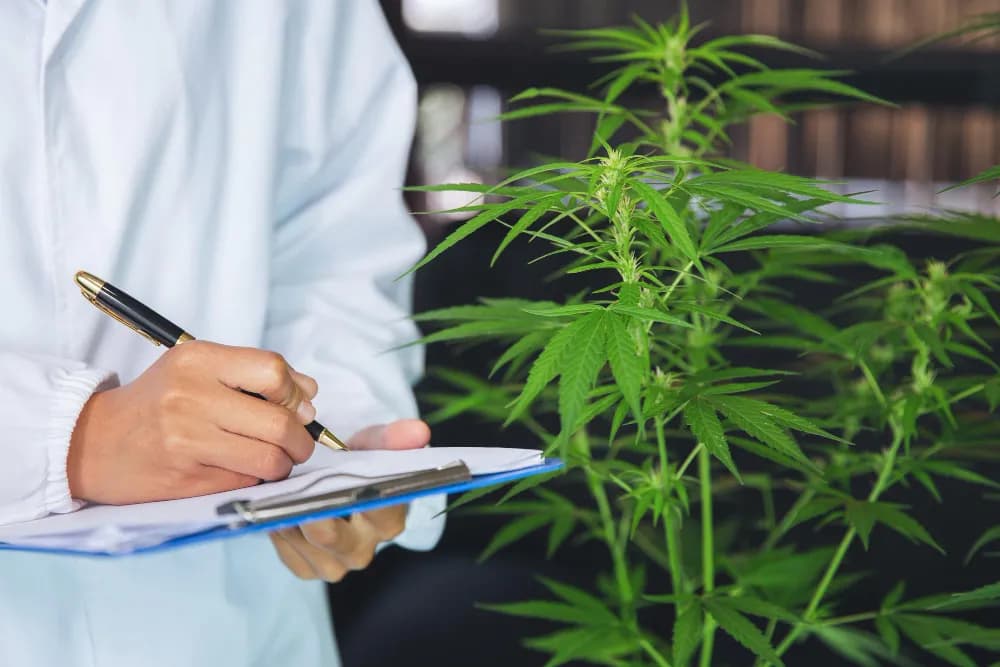
Over the past decade, cannabis has gradually transitioned from a taboo subject to a recognized tool in modern healthcare, particularly for Virginians seeking alternative treatments. While cannabis use for medical purposes is now legal in Virginia, accessing this form of therapy isn’t as simple as walking into a dispensary. In fact, one crucial step remains for patients: obtaining medical certification. This article explores why Virginians need certification for cannabis treatment and what this means in a legal, medical, and practical sense.
The path to cannabis access in Virginia has been shaped by ongoing legislation, designed to ensure medical cannabis is used responsibly and effectively. For residents, understanding the significance of this certification can determine the efficacy and legality of their treatment. Learning about the medical marijuanas card va is essential for anyone considering cannabis as part of their healthcare plan.
Key Points
- Medical cannabis is legal in Virginia but requires patient certification.
- Certification provides legal protection and access to regulated dispensaries.
- Virginia’s laws have evolved, making cannabis more accessible under medical supervision.
- Healthcare provider involvement ensures appropriate use and dosage.
- Common conditions treated include chronic pain, PTSD, epilepsy, and more.
The Legal Framework of Medical Cannabis in Virginia
Legislative History
Virginia’s journey toward legal cannabis began with limited laws allowing the use of cannabis oils for severe epilepsy in 2015. Over time, the state legislature expanded the scope to include other medical conditions, culminating in the legalization of medical cannabis dispensaries in 2020. However, this expansion came with an important caveat: patients must obtain certification from a licensed healthcare provider to legally access treatment.
Why Certification Was Introduced
The certification system was introduced to ensure that cannabis is used responsibly and strictly for medical purposes. Without regulation, the potential for misuse or overconsumption could increase, putting vulnerable populations at risk. Through mandatory certification, Virginia maintains oversight of patient usage and protects both patients and providers under the law.
What Certification Involves
Role of Healthcare Providers
In Virginia, only registered practitioners licensed by the Board of Pharmacy can issue cannabis certifications. These providers evaluate the patient’s medical history, symptoms, and potential benefits of cannabis treatment. If deemed appropriate, the provider issues a written certification that allows the patient to obtain medical cannabis from state-regulated dispensaries.
Application Process
The process for obtaining certification typically includes:
- Medical Evaluation: A licensed practitioner assesses your condition and eligibility.
- Written Certification: If approved, you’re issued a formal document allowing cannabis use.
- Registration (Optional as of 2022): Originally, patients had to register with the Board of Pharmacy. This step is now optional thanks to recent legislative updates.
Duration and Renewal
The certification is valid for 12 months and must be renewed annually through a re-evaluation by your healthcare provider. This requirement ensures that cannabis use remains medically necessary and appropriately managed.
Why Certification Matters
Legal Protection
Having a valid certification affords patients legal protection under Virginia law. Without it, possession or use of cannabis—even for medical reasons—could lead to criminal charges. Certification acts as a safeguard, distinguishing legitimate medical use from illegal recreational use.
Access to Dispensaries
Certified patients gain access to Virginia’s licensed medical cannabis dispensaries. These dispensaries offer a range of regulated, lab-tested products tailored to specific medical needs. Without certification, these facilities cannot legally sell cannabis to a patient.
Informed Medical Guidance
Certification involves a healthcare provider, ensuring patients receive accurate information about dosages, delivery methods (such as tinctures, edibles, or vaporizers), and potential interactions with other medications. This professional oversight improves both safety and efficacy.
Medical Conditions Treated with Cannabis
Qualifying Conditions
Virginia law allows certification for any “diagnosed condition or disease determined by the practitioner to benefit from cannabis use.” This open-ended definition gives healthcare providers the discretion to recommend cannabis for a wide range of conditions, including:
- Chronic pain
- PTSD and other anxiety disorders
- Epilepsy and seizure disorders
- Multiple sclerosis (MS)
- Cancer-related symptoms
- Nausea and appetite loss
- Glaucoma
- Parkinson’s disease
Real-World Examples
For instance, a veteran suffering from PTSD might find traditional medications ineffective, while medical cannabis provides relief from anxiety and insomnia. Or a cancer patient undergoing chemotherapy might use cannabis to manage nausea and restore appetite. These scenarios highlight the real need for a certification process that ensures only patients with genuine medical concerns gain access.
The Evolution of Certification Requirements
From Paperwork to Patient-Friendly
Originally, Virginia required both a written certification and formal registration with the Board of Pharmacy. This two-layer system led to delays and confusion. In 2022, lawmakers streamlined the process. Now, only the written certification from a registered provider is required, making the system more accessible and less bureaucratic.
The Ongoing Role of the Virginia Cannabis Control Authority
Oversight has shifted to the newly established Virginia Cannabis Control Authority (CCA), which monitors industry compliance and public safety. Their role ensures that medical cannabis remains a legitimate healthcare option, not a backdoor to recreational use.
Challenges and Misunderstandings
Confusion About Recreational vs Medicinal Use
Though recreational cannabis possession is decriminalized in Virginia, it remains illegal to buy or sell cannabis outside of the medical framework. Some residents mistakenly believe they can legally buy cannabis without certification, which is not the case. Certification remains the only legal pathway to obtain cannabis from licensed sources.
Access Barriers
Some Virginians face challenges finding a provider who offers cannabis evaluations. Others may struggle with the cost, as insurance often does not cover cannabis-related consultations or products. Despite these hurdles, the certification process remains the most secure and informed route for medical cannabis treatment.
Looking Ahead: What the Future Holds
Potential for Expanded Access
As medical research and public sentiment evolve, Virginia may continue to expand qualifying conditions and simplify access to certification. Telemedicine options and increased provider education could further reduce barriers, making it easier for those in remote or underserved areas to receive care.
Integration into Mainstream Medicine
In the future, we may see cannabis integrated more formally into traditional healthcare plans, especially as more clinical evidence supports its benefits. Certification could become a stepping stone to broader insurance coverage and institutional acceptance.
FAQ: Virginia’s Medical Cannabis Certification
1. Is medical cannabis legal in Virginia?
Yes, medical cannabis is legal in Virginia for patients who receive written certification from a registered healthcare provider.
2. Do I still need to register with the Virginia Board of Pharmacy?
No, as of July 2022, registration with the Board of Pharmacy is optional. A written certification from a licensed provider is all that’s required.
3. Can I use cannabis without certification?
Using cannabis without certification for medical purposes remains illegal in terms of purchase and sale. Only certified patients can legally buy and use cannabis from state-regulated dispensaries.
4. What conditions qualify for medical cannabis?
There’s no fixed list. Practitioners can recommend cannabis for any condition they believe could benefit from its use, including chronic pain, anxiety, epilepsy, and more.
5. How do I find a provider who offers cannabis certifications?
The Virginia Board of Pharmacy and various online directories list registered practitioners. Many telehealth services also offer evaluations for medical cannabis certification.
6. Is the medical marijuanas card va the same as a cannabis certification?
While the terms are often used interchangeably, the “card” refers to the certification document provided by your medical practitioner. It serves as proof of your legal right to use medical cannabis in Virginia. Learn more about the legal evolution of this certification medical marijuanas card va.
7. How long is the certification valid?
Certifications are valid for 12 months and must be renewed annually through a follow-up consultation with your provider.
8. Are there age restrictions?
Yes, patients under the age of 18 must have a parent or legal guardian act as a registered agent and caregiver. The child must still receive a certification from a registered provider.
9. Are dispensaries the only place to buy medical cannabis?
Yes, certified patients must obtain medical cannabis from licensed dispensaries in Virginia. Purchasing cannabis from any other source remains illegal.