When you think about building a brighter future for a country, it’s impossible to ignore the role of education, and at the centre of that are teachers. But here’s the problem: what do we expect to happen when our teachers, the very people shaping the next generation, aren’t supported the way they should be? That is a huge challenge in developing education systems, and especially rings true for Pakistan.
1MT Cares is not just tackling this issue, it isn’t just another line on their to-do lists a mission they care deeply about. To make real change, though, it’s important to understand what’s holding teacher training back.
The Reality on the Ground
Step inside a government school somewhere in rural Punjab or Sindh, and you’ll likely see passionate teachers who genuinely want to make a difference. The trouble is, passion by itself isn’t enough to overcome the many obstacles in their way. In Pakistan, the education system isn’t just facing problems with getting kids into classrooms; there’s a massive issue with how much quality those classrooms actually provide. And sadly, a big piece of that puzzle lies in how we train (or sometimes, don’t train) our teachers.
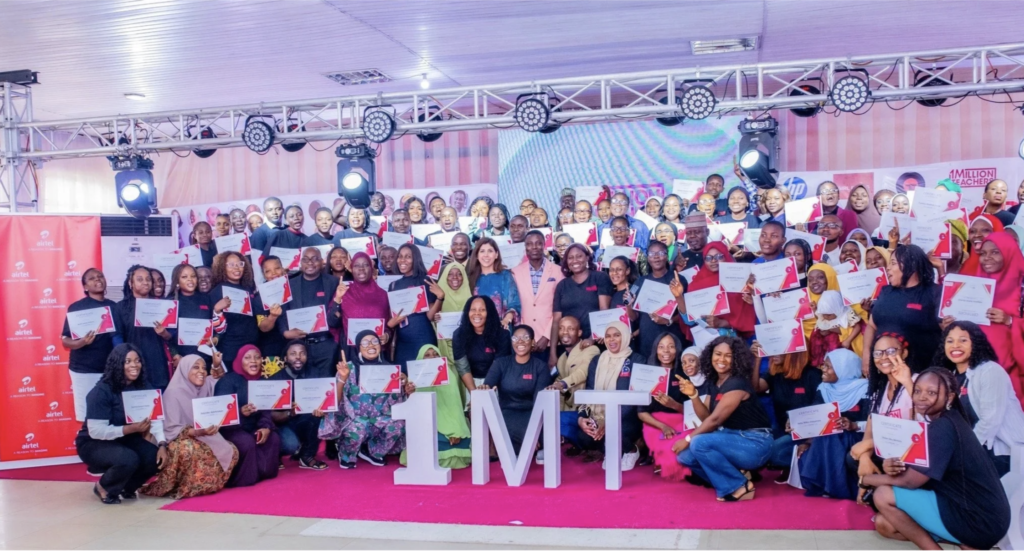
Let’s talk about some of the main issues that make teacher training such a tough nut to crack.
1. The Resource Deficit
Trying to teach 21st-century skills with outdated or missing resources isn’t just hard, it’s almost impossible. One of the biggest roadblocks in Pakistan is the severe lack of resources available for ongoing teacher development.
Many training centres don’t even have basics like computers, working internet, or up-to-date books. Teachers might attend a promising workshop, only to return to schools that can’t support what they just learned. Imagine being taught digital skills, but heading back to a classroom without electricity half the time! It’s frustrating, to say the least.
UNESCO and other organizations regularly point out that developing countries don’t just spend less on education overall, they spend even less on supporting and training the teachers who matter most.
2. Outdated Training Methods
The world moves fast. Kids today grow up with smartphones, AI, and rapid innovation. But if you check teacher training courses in Pakistan, you’ll find they haven’t changed much in decades.
There’s still a big focus on rote learning, memorization without understanding, and “chalk and talk” lessons. That’s how many teachers themselves were taught, so it’s no surprise they teach the same way. Unfortunately, this style just doesn’t prepare students to think critically or solve real problems. New teachers are sometimes taught a lot about education philosophy, but not enough practical tips for managing a classroom or using technology.
What’s really needed is a shift: training that’s less lecture and more hands-on, encouraging teachers to be guides and facilitators, not just people who deliver information.
3. Limited Professional Development
In lots of careers, you keep learning all the time. In education in Pakistan, though, professional growth is often seen as optional, or it’s just not available at all. After getting hired, a teacher might have very few chances to pick up new skills.
Rural teachers have it the hardest. While someone working in Lahore or Karachi might occasionally attend a seminar or workshop, teachers in distant towns and villages are mostly left to their own devices. That means skills grow stale, and many teachers burn out because they don’t get the support or boost they need to meet their students’ changing needs.
The Impact on the Education System
All these challenges with teacher training have a massive domino effect on learning. If teachers don’t feel prepared or confident, students pay the price.
Dropout rates soar, not only because of poverty, but because families feel that school isn’t offering real value. Take this sobering fact: as reported by ASER Pakistan, plenty of fifth-graders struggle to read or do basic math at a second-grade level. That’s not just a statistic; that’s a sign something’s wrong at the most basic level.
Over time, frustration with public schooling pushes parents toward low-fee private schools. These might not always provide better education, but they’re seen as better simply because public schools are struggling so much.
Charting a Path Forward
There’s good news, though; it’s not all bleak! The tide is beginning to turn, and groups like 1MT Cares are already leading the way. Here are some steps that can help us move in the right direction:
Embrace Technology (Wisely)
We may not be able to build high-tech centers everywhere instantly, but smartphones are more common every year. Delivering short, practical lessons to teachers over mobile apps or WhatsApp can bring training straight to even the most isolated schools.
Shift to Mentorship Models
Instead of quick workshops that get forgotten in a week, let’s connect experienced teachers with newcomers. Ongoing mentorship, where seasoned teachers offer advice and feedback, proves much more helpful than just theoretical lectures.
Public-Private Partnerships
The government alone can’t fix all these issues. NGOs, private companies, and dedicated individuals bring new ideas and resources. When everyone works together, it’s easier to turn a great pilot project into something that benefits teachers across the country.
Focus on Soft Skills
1MT care understands that teacher training shouldn’t be just about reading, writing, and math. We need to help teachers build skills like empathy, leadership, and emotional intelligence. A confident, caring teacher makes an incredible difference in the classroom and in the community.

Conclusion
Sure, the teacher training challenges in Pakistan are big, but they’re not impossible to overcome. By recognizing where we fall short in resources, modern teacher training methods, and ongoing support, we can start making real improvements.
At the end of the day, the smartest investment we can make for Pakistan’s future is in its teachers. When we raise them up, we help every student shine a little brighter.