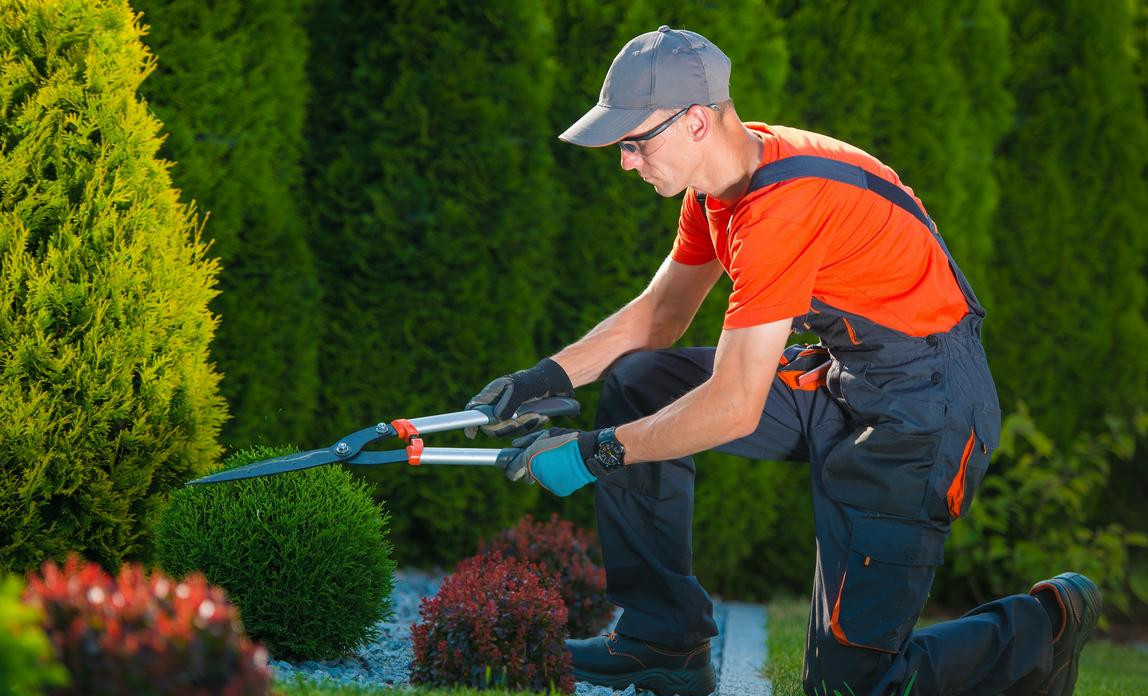
Garden maintenance is essential to keeping the garden vibrant and healthy. It’s important to adapt maintenance practices to the changing seasons to help your garden flourish throughout the year. Each season is different and comes with varying requirements for the garden. Gardens bring peace, joy, and delight if kept well-maintained.
In this blog, we will write about how to maintain your garden throughout the year. Here are some considerations to help your garden thrive all year-round.
Summer Maintenance Tips for Your Garden
The summer season brings different challenges and tasks. The intense heat is harmful to plants, but with proper care, they can be nourished during this season.
Consider the tips below to take care of your garden in summer:
Mulching: Mulching is the essential step; apply a 2–3-inch layer around the plants so that they will get proper soil moisture and weed. The use of organic mulches is best with wood chips and straw.
Watering: Watering is the crucial step to keep your garden beautiful, lush and bright. It is also important to understand each plant’s water requirements. To minimise evaporation, water the plants early in the morning and late in the afternoon. You can also install a drip irrigation system to deliver water to the roots effectively.
Deadheading Flowers: To keep plants flowering continuously, remove spent blooms. Grow summer flowersaccording to the climate of your region. Ensure your plants have adequate support and space, and that they receive sufficient nutrients.
Pest Monitoring: Regularly check your plants for signs of disease and pests early to prevent significant damage. Consider organic methods whenever plants require them. Take care of your garden and mow it regularly, but do not cut it too short, as this can prevent seeds from germinating.
Autumn Maintenance Tips for Your Garden
As cold weather approaches, you will need Garden Maintenance Highbury according to your garden:
Here are the tips to consider for your garden in the autumn season:
Planting Bulbs: Grow spring bulbs such as daffodils, crocuses, and tulips. You will need to plant these at a depth of three times their height for optimal results.
Plant Cool-Season Flowers: Plant cool-season flowers such as hyacinths. This willwithstand cooler temperatures and grow according to weather conditions.
Mulching: To protect the soil from freezing temperatures, add a fresh layer of mulch around the plants to protect the roots.
Pruning and Cleaning: Remove dead plants and other debris to prevent disease and pest infestations. Store the garden tools properly to make them last longer.
Winter Maintenance Tips for Your Garden
The arrival of winter requires taking care of your plants and preparing them for the next growing season.
Here are a few tips to take care of your garden in winter:
Protect the plants: Shield the plants from harsh winds. Consider providing shelter for potted plants, or bring them indoors if it’s convenient.
Cleaning of gutters: Cleardebris from the gutters to prevent water damage during winter storms.
Soil Testing: Conduct a soil test to determine the pH level, which will help you apply the fertiliser. Add the kitchen scraps and the garden waste to the compost pile.
Bird Feeding: Place bird feeders and provide food and water. Birds control the pests, and your winter day will become brighter. Put the high-energy foods, such as seeds and suet, in stock for bird feeders.
Spring Maintenance Tips for Your Garden
After the winter season, it’s time for the garden to get ready for the growing season. Ensure your garden is prepared to resume growing.
Consider the following trips to maintain your garden in spring:
Tidying Up: Clean the gardento eliminate pests and disease. Trash the plant materials and debris to avoid contamination.
Planting Seeds: Purchase new seeds; in spring, the plants will grow. Early sowing is beneficial and makes transplanting easier.
Soil Preparation: Putwell–rotted manure to enrich your garden soil. Add the organic matter to enrich the soil. This will help the plants remain healthy and grow throughout the season.
Weed Control: Spring is the best time to get the top weeds. To avoid it competing with plants, remove the weed. Mulching also helps control weeds.
Planting Bulbs: Grow spring bulbs such as daffodils, crocuses, and tulips. You will need to plant these at a depth of three times their height for optimal results.
Conclusion:
By considering the above tips, you can keep your garden thriving year-round. Consult the gardeners before making major changes. Hire the professionals for the challenging tasks. Expert Garden Maintenance Mill Hill ensures the garden develops and remains healthy. You will get the best results when you give time and care to your garden, as it deserves.