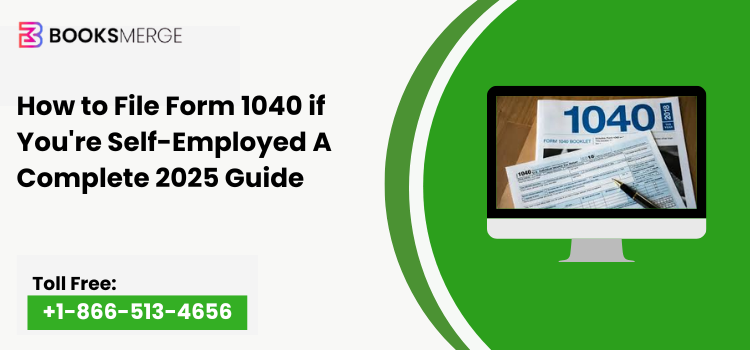
Discover the step-by-step process for filing Form 1040 as a self-employed individual in 2025, including Schedule C requirements, deductions, and common mistakes to avoid.
Being self-employed comes with incredible freedom, but tax season can feel overwhelming when you’re figuring out how to fill out a 1040 form for the first time. Unlike traditional employees who receive a simple W-2, independent contractors, freelancers, and business owners face additional complexity when filing their annual tax returns.
Learn how to file Form 1040 if you’re self-employed in 2025. Complete guide covering Schedule C, deductions, and tax requirements. Need help? Call +1-866-513-4656 for expert assistance.
If you’re self-employed and preparing your 2025 tax return, understanding the Form 1040 process is essential. This comprehensive guide breaks down everything you need to know about filing taxes as your own boss.
Understanding Form 1040 for Self-Employed Individuals
Form 1040 serves as the standard U.S. Individual Income Tax Return that virtually all taxpayers use. Whether you’re a rideshare driver, freelance writer, consultant, or small business owner, you’ll start with this foundational form.
For tax year 2025, the IRS continues using the simplified 1040 form pdf that consolidates previous versions into one streamlined document. However, self-employed filers rarely complete just the basic form—additional schedules are typically required.
Key Forms and Schedules for Self-Employment
When you’re self-employed, several documents work together:
- Form 1040-SR: Designed for seniors aged 65 and older, offering larger print and a standard deduction chart
- Form 1040-NR: Required for nonresident aliens earning U.S. income
- Form 1040-X: Used to amend previously filed returns if you discover errors
- Schedule 1 Form 1040: Reports additional income and adjustments to income
- Form 1040 Schedule C: The critical profit or loss statement for your business
How to Fill Out a 1040 Form: Step-by-Step Process
Filing taxes as a self-employed individual requires careful attention to detail. Here’s how to navigate the process successfully.
Step 1: Gather Your Financial Records
Before touching any forms, collect all income documentation. This includes 1099-NEC forms from clients, 1099-K forms from payment processors, and detailed records of business expenses throughout the year.
Step 2: Complete Form 1040 Schedule C
The Form 1040 Schedule C is where self-employed individuals report business income and expenses. This schedule calculates your net profit or loss, which directly impacts your tax liability.
List your gross receipts or sales, then subtract the cost of goods sold if applicable. Next, deduct eligible business expenses like:
- Home office costs
- Professional services and legal fees
- Advertising and marketing expenses
- Vehicle mileage and travel
- Equipment and supplies
- Insurance premiums
- Continuing education
Your Schedule C net profit flows directly to your main Form 1040, affecting both your income tax and self-employment tax obligations.
Step 3: Address Self-Employment Tax
Unlike employees whose employers pay half their Social Security and Medicare taxes, self-employed individuals cover the full amount. You’ll calculate this using Schedule SE, which determines approximately 15.3% of your net earnings.
The good news? You can deduct half of your self-employment tax as an adjustment to income on Schedule 1 Form 1040.
Step 4: Complete Schedule 1
Schedule 1 captures additional income sources beyond your business and allows various adjustments. For self-employed filers, this includes the self-employment tax deduction, health insurance premiums, and retirement plan contributions.
Step 5: Fill Out Form 1040 Schedule 2
Form 1040 Schedule 2 reports additional taxes, including alternative minimum tax and self-employment tax. Most self-employed individuals will use Part II to report their calculated self-employment tax amount.
Step 6: Complete the Main Form 1040
With supporting schedules finished, you’ll transfer key figures to your main 1040 form. Input your personal information, filing status, dependents, and standard or itemized deduction amount.
Your adjusted gross income, taxable income, and final tax calculation all appear on the primary form. Compare your tax liability against payments made through quarterly estimated taxes to determine if you owe additional money or qualify for a refund.
Special Considerations for Different Filing Situations
Using Form 1040-SR
Wondering what is Form 1040 SR? If you’re 65 or older, the 1040 SR form offers identical tax calculations with senior-friendly formatting. The larger text and embedded standard deduction chart make tax preparation easier for older Americans.
Filing Form 1040-NR
Self-employed nonresident aliens must use the 1040 NR form instead of the standard version. This form accounts for different tax treaty provisions and income sourcing rules affecting foreign nationals.
Correcting Mistakes with Form 1040-X
Discovered an error after filing? Form 1040-X allows you to amend your return within three years. Common reasons include forgotten income sources, missed deductions, or filing status changes.
Maximizing Deductions and Minimizing Tax Liability
Self-employed individuals enjoy access to numerous tax deductions unavailable to traditional employees. The home office deduction, qualified business income deduction (Section 199A), and retirement contributions can significantly reduce your taxable income.
Maintain meticulous records throughout the year. Use accounting software or hire a bookkeeper to track every business transaction. Proper documentation protects you during audits and ensures you don’t miss valuable deductions.
Also Read This: https://guestcountry.com/Earned-Income-Tax-Credit-EITC-Guide-for-Form-1040-Filers-Complete-2025-Handbook
Conclusion
Filing Form 1040 as a self-employed individual requires understanding multiple schedules and careful record-keeping. By familiarizing yourself with Schedule C, calculating self-employment tax correctly, and claiming all eligible deductions, you can navigate tax season with confidence.
Remember that proper planning throughout the year makes April significantly less stressful. Track expenses diligently, make quarterly estimated payments, and don’t hesitate to seek professional guidance when needed.
Frequently Asked Questions
Q: What’s the deadline for filing Form 1040 if I’m self-employed?
A: The standard deadline remains April 15, 2026, for the 2025 tax year. However, you can request an automatic six-month extension using Form 4868, moving your filing deadline to October 15, 2026.
Q: Do I need to make quarterly estimated tax payments?
A: Generally, yes. If you expect to owe $1,000 or more in taxes, you should make quarterly estimated payments to avoid underpayment penalties. These are due April 15, June 15, September 15, and January 15.
Q: Can I file Form 1040 electronically if I’m self-employed?
A: Absolutely. E-filing is available for self-employed taxpayers and typically results in faster processing and refunds. Most tax software handles Schedule C and related forms seamlessly.
Q: What happens if I forget to report some self-employment income?
A: You should file Form 1040-X to amend your return as soon as you discover the error. The IRS may assess penalties and interest on unpaid taxes, so correcting mistakes promptly is important.
Q: Where can I download the 1040 form PDF for 2025?
A: Visit IRS.gov to download the current 1040 form PDF and all related schedules. The website provides fillable PDF versions and instructions for each form.
Q: Who can I contact for help with my self-employment taxes?
A: For professional tax assistance tailored to self-employed individuals, call +1-866-513-4656 to speak with experienced tax experts who understand the unique challenges of self-employment taxation.