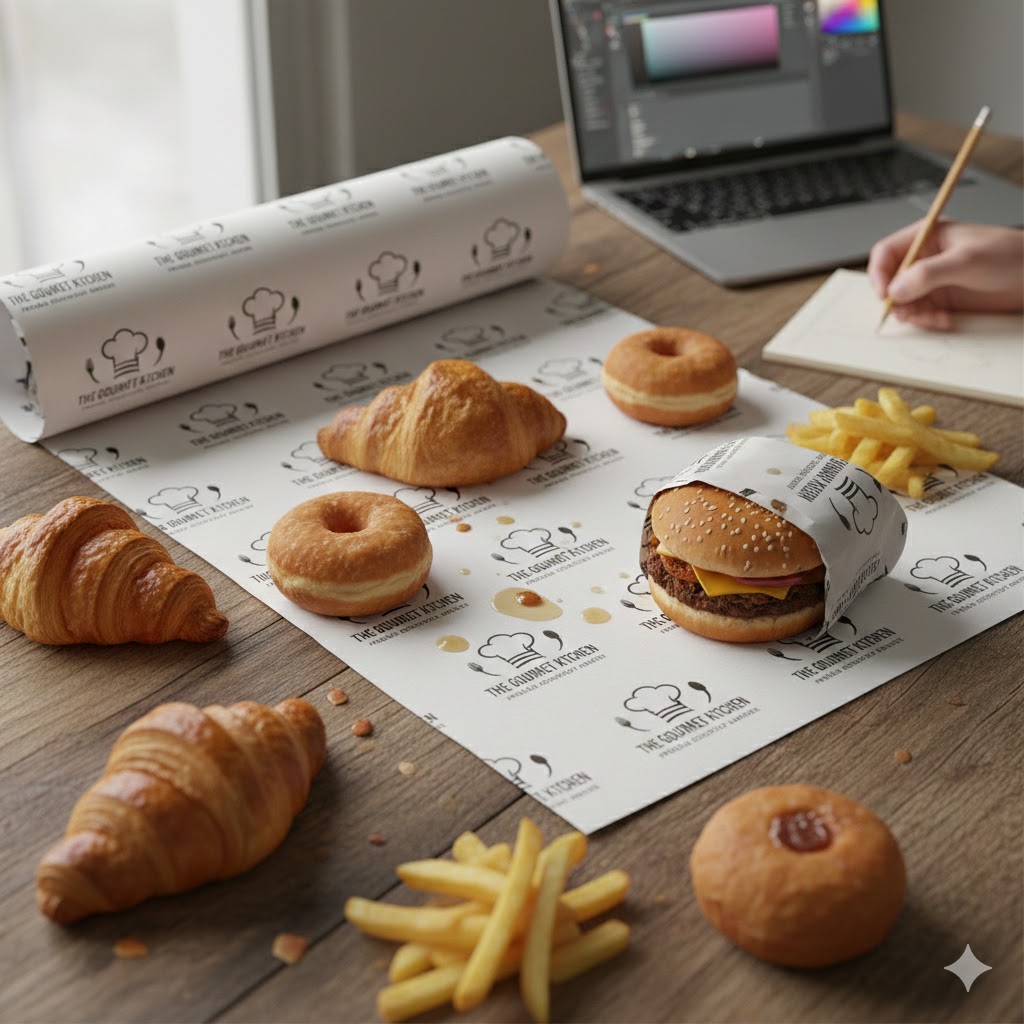
Greasy dishes create challenges that require smart serving strategies to keep dining pleasant. Oil transfers to hands and surfaces making eating unenjoyable despite delicious flavors offered. Serving oily foods cleanly determines whether customers order certain items or avoid them. Proper techniques protect clothing and dining areas from stains that ruin special occasions. Understanding oil behavior helps restaurants and home cooks prevent problems before they start. Strategic planning transforms potentially messy favorites into manageable enjoyable eating experiences for everyone.
Why Does Proper Draining Matter Before Serving?
Excess oil pooling on plates creates puddles that spread when items get moved. Wire racks allow gravity to pull oil away from all food surfaces. Paper underneath absorbs dripping oil preventing it from collecting around fried items placed. Tilted draining surfaces direct oil flow away rather than letting it accumulate. Extended draining time after cooking captures more oil before plating happens. Using printed greaseproof paper sheets creates absorbent barriers that remove surface oil without affecting. Strategic draining reduces mess potential dramatically before foods ever reach dining tables.
How Do Serving Vessels Reduce Oil Problems?
Baskets with liners catch drips while allowing air circulation that prevents steam buildup. Plates with raised edges contain oil preventing it from running onto tables or. Parchment paper underneath items absorbs excess while protecting dishes from greasy residue left. Individual serving papers for each piece prevent oil transfer between adjacent items touching. Angled presentation lets gravity work continuously removing oil throughout the entire eating duration. WaxPapersHub provides specialized materials designed specifically for managing oily food service challenges faced. Thoughtful box choices make a big difference in how clean eating experiences remain throughout.
Can Utensil Choices Keep Hands Cleaner Always?
Forks and small tongs allow eating without direct hand contact with surfaces. Toothpicks inserted into bite-sized pieces provide handles that keep fingers oil-free during. Individual serving skewers make finger foods manageable without creating greasy hand situations constantly. Knife and fork combinations work better than hands for cutting and consuming. Wet wipes provided alongside foods show attention to customer comfort needs during. Strategic utensil placement encourages their use rather than messy hand-eating that occurs. Proper tools transform potentially messy items into civilized dining experiences customers appreciate having.
Why Does Temperature Affect Oil Management Success?
Hot oil stays liquid and drips more than cooled versions that firm. Serving items slightly cooled allows surface oil to thicken, reducing transfer to. Extremely hot foods release steam that can carry oil particles onto surroundings. Room temperature items shed less oil than freshly cooked versions still dripping. Strategic cooling periods let excess oil drain naturally before service to customers. Restaurants in the USA time cooking and serving to optimize oil removal without sacrificing. Temperature management provides a window where foods remain appetizing while being less messy overall.
How Do Portion Sizes Influence Mess Levels?
Smaller pieces require less handling, reducing opportunities for oil transfer to hands. Bite-sized servings eliminate the need for cutting that often causes oil to splatter. Individual portions prevent reaching into shared platters that spread grease to everything touched. Manageable serving sizes reduce eating time before oil has a chance to migrate. Appropriate portions balance satisfaction with practical eating considerations that matter during dining. Quality food paper products help define portions that work well for clean consumption. Right-sized servings create better experiences than impressive amounts that become frustrating to eat.
Can Presentation Techniques Minimize Contact Spreading?
Separated items on plates prevent oil from one piece contaminating others nearby. Strategic garnish placement keeps decorative elements away from greasiest food components present. Sauces inside boxes avoid mixing with oil creating even messier combinations. Vertical stacking allows continued draining even after plating as gravity pulls downward. Open arrangements provide air circulation that prevents moisture and oil accumulation happening underneath. Thoughtful plating shows respect for customer comfort beyond just arranging food attractively only. Presentation strategies acknowledge the reality of oily foods while minimizing associated problems effectively.
Why Does Wrapping Design Protect Takeout Quality?
Grease-resistant materials prevent oil seepage through bags ruining car interiors or clothing. Absorbent liners inside boxes soak up excess without items sitting in pools. Vented designs allow steam escape, preventing condensation that would mix with oil present. Secure closures prevent spills during transport while maintaining ventilation needs for texture. Compartmentalized wrapping keeps oily items separated from other foods ordered alongside them. Strategic box engineering extends cleanliness standards into homes where consumption eventually happens later. Proper wrapping shows understanding that serving oily foods cleanly extends beyond restaurant walls.
What Staff Training Ensures Consistent Clean Service?
Proper handling techniques prevent oil transfer from kitchen prep areas to dining. Attention to presentation details ensures items arrive looking organized rather than carelessly assembled. Knowledge about which items need extra draining time improves final quality delivered. Quick response to spills minimizes disruption showing professionalism customers notice and appreciate always. Regular practice with challenging oily items builds confidence that translates into smoother. Understanding customer frustrations with greasy foods motivates staff to follow procedures carefully. Serving oily foods cleanly requires teamwork where everyone understands their role in maintaining.