Underpinning Contractors London:
Underpinning is a critical aspect of infrastructure projects, ensuring that existing structures maintain stability when new construction, renovations, or soil improvements are carried out. Underpinning Contractors London specializing in underpinning face unique challenges due to complex site conditions, technical requirements, and safety considerations.
Understanding Underpinning
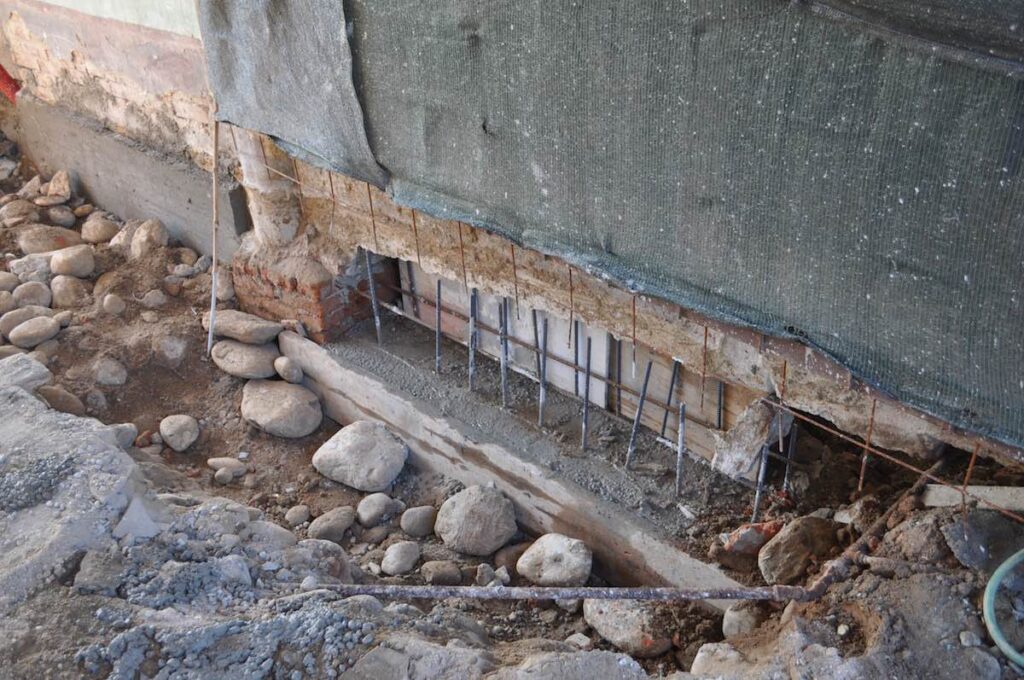
Underpinning involves strengthening or deepening the foundations of existing structures to support additional loads or compensate for unstable ground. This technique is commonly used in urban development projects, road expansions, bridge repairs, and building extensions. The process requires precision, experience, and careful planning, as mistakes can compromise the safety and durability of the structure.
Large-scale infrastructure projects often involve heavy loads, tight deadlines, and challenging environmental conditions, making the role of underpinning contractors pivotal to project success.
Challenge 1: Unpredictable Soil Conditions
One of the most common challenges underpinning contractors face is dealing with unpredictable soil conditions. Soil composition, moisture levels, and subsurface structures vary from site to site, and weak or shifting soil can compromise foundation stability.
Solution: Contractors conduct thorough geotechnical surveys before starting work. Soil testing, borehole analysis, and load-bearing assessments allow engineers to design underpinning systems tailored to site conditions. Advanced modeling software can simulate soil behavior under load, helping contractors plan safe and effective interventions.
Challenge 2: Restricted Urban Spaces
Infrastructure projects in urban areas often require underpinning in confined spaces between existing buildings, roads, or utilities. Limited access makes equipment placement, material storage, and work safety more challenging.
Solution: Mini piling, micro-piles, and hydraulic jacking systems are innovative techniques that allow underpinning in tight spaces. Contractors also use modular equipment and plan logistics carefully to maximize efficiency while minimizing disruption to surrounding areas. Phased construction strategies can further reduce risks and maintain project timelines.
Challenge 3: Maintaining Structural Stability
Underpinning involves working beneath or around existing structures, which introduces the risk of settlement, cracks, or collapse if not executed correctly. Maintaining structural stability is critical during excavation and foundation strengthening.
Solution: Continuous monitoring systems, including load sensors and settlement indicators, help contractors track structural movement in real-time. Temporary supports, such as shoring and props, can stabilize structures during work. Experienced contractors combine these measures with precise excavation techniques to ensure safety throughout the project.
Challenge 4: Environmental and Weather-Related Factors
Weather conditions, groundwater, and seasonal changes can impact underpinning projects. Heavy rainfall, flooding, or frost can delay work, weaken soil, or damage temporary support. Environmental regulations may also restrict certain methods in sensitive areas.
Solution: Contractors schedule work according to seasonal conditions and implement protective measures, such as water diversion, drainage systems, and weatherproof covers. Advanced forecasting tools help anticipate weather disruptions, allowing teams to adjust timelines and maintain safety standards. Environmentally friendly materials and methods also ensure compliance with regulations while reducing ecological impact.
Challenge 5: Safety Risks and Compliance
Working beneath existing structures and handling heavy machinery carries inherent safety risks. Additionally, underpinning projects must comply with local building codes, health and safety regulations, and environmental standards. Non-compliance can result in legal issues, fines, or project delays.
Solution: Comprehensive safety protocols, regular training, and risk assessments are essential. Contractors implement personal protective equipment (PPE) policies, secure excavation zones, and emergency response plans. Close coordination with regulatory authorities ensures that underpinning practices meet all legal and safety requirements.
Challenge 6: Coordination with Other Contractors
Infrastructure projects often involve multiple teams, including civil engineers, architects, electricians, and utility providers. Poor coordination can lead to clashes in schedules, miscommunication, or unexpected obstacles during underpinning work.
Solution: Effective project management and communication are key. Contractors use collaborative platforms and scheduling software to align tasks, share updates, and prevent conflicts. Weekly site meetings and clear reporting protocols ensure all teams are aware of project progress and challenges.
Challenge 7: Budget Constraints and Cost Overruns
Underpinning can be expensive due to specialized equipment, materials, and labor. Unexpected site conditions or delays can further increase costs, impacting the overall budget for infrastructure projects.
Solution: Detailed cost estimation, contingency planning, and phased budgeting help manage expenses. Contractors conduct pre-construction assessments to identify potential risks and implement solutions proactively. Transparent pricing models and client communication reduce the likelihood of disputes and ensure projects remain financially viable.
Final Thoughts:
Underpinning contractors play a vital role in the success of Underpinning Hertfordshire, infrastructure projects, ensuring that existing structures remain safe and stable while new construction or renovations take place. The challenges they face—ranging from unpredictable soil conditions and restricted spaces to safety, environmental, and budget concerns—require technical expertise, innovative solutions, and meticulous planning.
By combining thorough site analysis, modern techniques such as mini piling and hydraulic jacking, real-time monitoring, and strong project management, underpinning contractors can overcome these challenges efficiently. Their expertise ensures that infrastructure projects are completed safely, on time, and within budget, ultimately contributing to long-lasting, resilient urban developments.