Retaining Walls Canterbury:
Retaining walls are not only functional structures that prevent soil erosion and support slopes, but they also enhance the aesthetic appeal of gardens, driveways, and landscapes. Proper installation and regular maintenance are crucial to ensure these structures remain strong, durable, and visually appealing over the years.
Understanding the Purpose of Retaining Walls
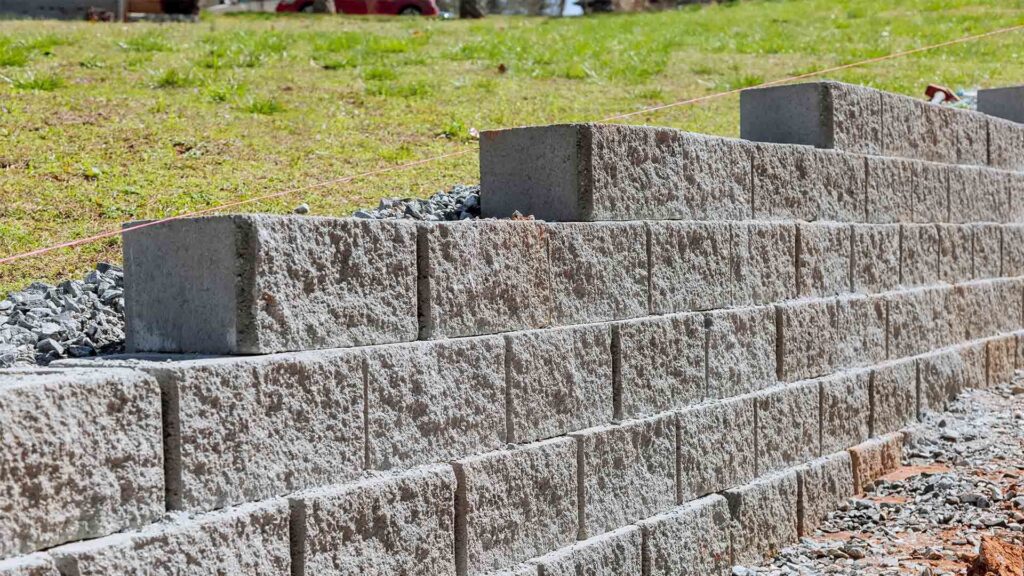
Before diving into maintenance tips, it is important to understand the primary purpose of a Retaining Walls Canterbury. These structures are designed to hold back soil, protect properties from landslides, and manage water drainage in sloped areas. Materials commonly used for retaining walls include concrete blocks, natural stone, timber, and gabions. Each material has unique characteristics and maintenance requirements, which should be considered during installation.
Best Time to Install Retaining Walls
The timing of retaining wall installation significantly affects its durability and performance. The best time to install a retaining wall is during dry seasons when the soil is stable and easier to work with. Spring and early autumn are often ideal because these periods offer moderate temperatures and minimal rainfall, reducing the risk of water-related soil movement that can disrupt construction.
Avoid installing retaining walls during the rainy season, as excess water can make the soil unstable and increase the likelihood of wall shifting or collapsing. Similarly, extremely cold weather can cause freezing of the ground, making excavation and installation difficult and potentially weakening the wall foundation. Planning installation around seasonal conditions ensures that the wall sets correctly and provides long-term stability.
Essential Retaining Wall Maintenance Tips
Once a retaining wall is installed, regular maintenance is key to prolonging its life and functionality. The following tips cover essential aspects of retaining wall care:
Inspect Regularly for Cracks and Shifts
Regular inspections help identify small issues before they escalate into major problems. Look for cracks in concrete or masonry walls, leaning sections, or displaced stones and blocks. Early detection allows for timely repairs, preventing structural failure, and costly replacements.
Maintain Proper Drainage
One of the most critical factors affecting retaining wall longevity is water drainage. Retaining walls are under constant pressure from the soil they hold back, and water accumulation can increase that pressure significantly. Ensure that drainage pipes, gravel backfills, and weep holes are functioning correctly. Regularly clear any blockages to prevent water buildup, which can cause soil erosion and wall damage.
Control Vegetation Growth
While plants and vines can enhance the visual appeal of retaining walls, uncontrolled growth can cause damage over time. Roots can penetrate cracks, displace stones, or interfere with the wall’s structural integrity. Trim vegetation regularly and consider planting low-rooting plants that are less likely to damage the wall.
Reinforce Weak Sections
Over time, certain parts of a retaining wall may weaken due to soil pressure or natural wear and tear. Reinforcing these sections with additional support, such as anchors, tie-backs, or extra stones, helps maintain stability. Consulting a professional engineer for significant reinforcements ensures the wall can handle the intended load.
Keep the Wall Clean
Accumulated dirt, moss, and debris can retain moisture, accelerating material degradation. Periodically clean the wall surface using gentle methods such as a soft brush or low-pressure water spray. Avoid harsh chemicals that could erode the material or harm surrounding plants.
Monitor Soil Erosion Around the Wall
Even the strongest retaining walls can fail if the soil behind or around them erodes excessively. Inspect the surrounding landscape for signs of soil movement, gullies, or exposed roots. Address erosion issues by adding soil, planting ground cover, or installing additional drainage systems.
Seasonal Maintenance
Different seasons can affect retaining walls in unique ways. For instance, winter frost can cause cracks in concrete or stone walls, while heavy summer rains can lead to soil saturation. Scheduling seasonal inspections and maintenance ensures that the wall can withstand varying weather conditions throughout the year.
Professional Help vs. DIY Maintenance
While minor cleaning and vegetation control can be managed by homeowners, professional inspections are recommended for more technical tasks such as drainage checks, structural reinforcements, and large-scale repairs. Hiring experienced retaining wall contractors ensures that any maintenance work complies with engineering standards, providing peace of mind and protecting your investment.
Conclusion:
Retaining walls are essential structures for managing soil, water, and landscape aesthetics, but their longevity depends on careful planning, proper installation, and regular maintenance. Installing the wall during dry, moderate seasons ensures a solid foundation and optimal performance. Consistent maintenance, including drainage management, crack inspection, vegetation control, and seasonal checks, can significantly extend the life of a Retaining Walls Camden. Whether you choose concrete, stone, timber, or gabions, following these guidelines ensures that your retaining wall remains both functional and visually appealing for years to come.