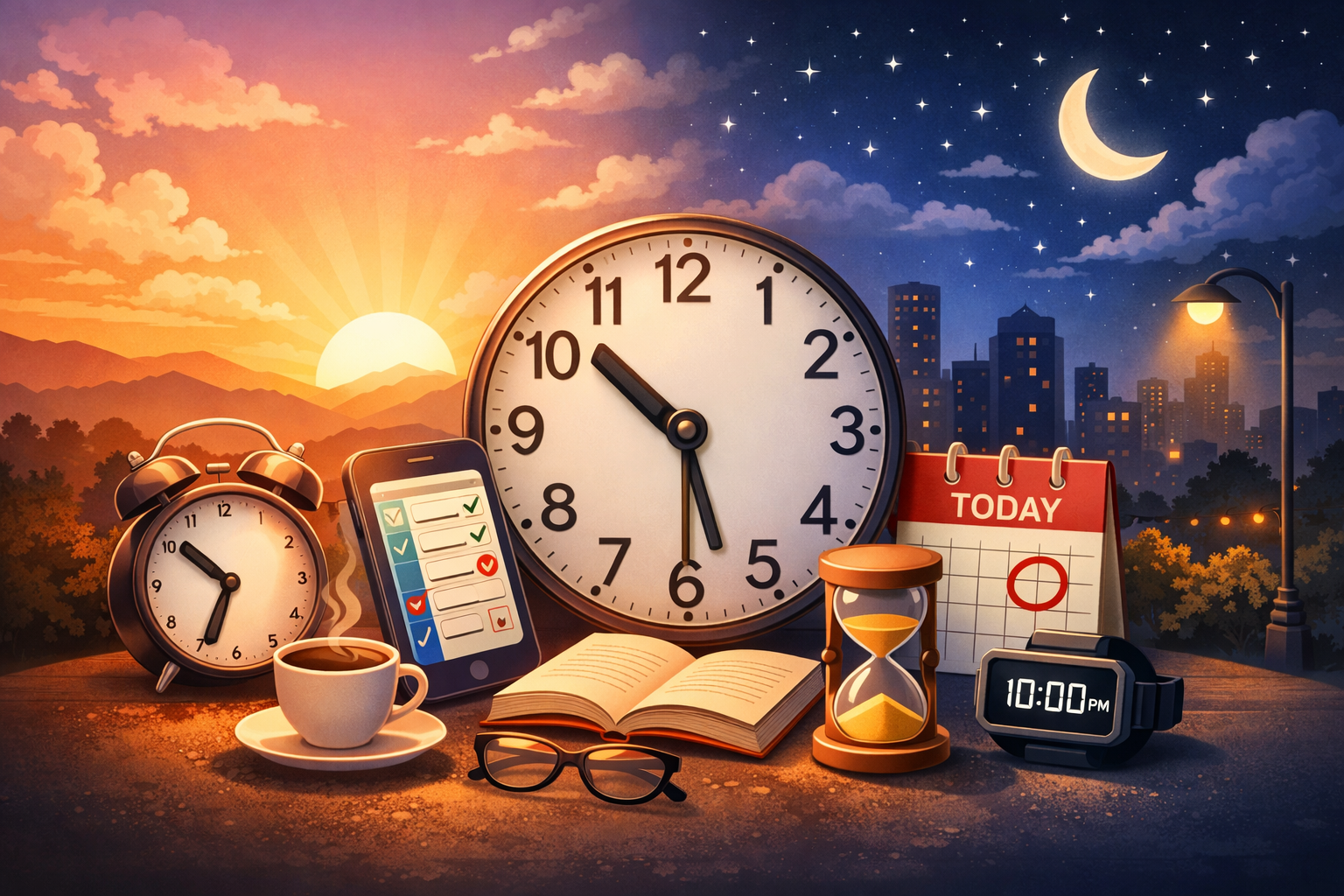
Ever notice how some days you’re absolutely crushing it? Every conversation flows, your focus is razor-sharp, and even annoying tasks feel oddly doable. Then there are those days where you’re fighting uphill battles over the simplest stuff, and you can’t figure out why since you’re literally doing the same things.
Plot twist: it’s not always about what you’re doing. Sometimes it’s all about when you’re doing it. Timing has this sneaky way of influencing outcomes without us even noticing. And here’s the kicker, people have known this forever, which is why so many still check good time today before making moves that matter.
Your Brain Gets a Confidence Boost From Good Timing
The mental game here is huge. When you genuinely believe you’re starting something at the right moment, your whole energy shifts. Suddenly, there’s less second-guessing, less “should I or shouldn’t I” spiralling, and way more “let’s do this” energy.
Looking up a good time today isn’t some superstitious quirk. It’s your brain’s way of saying, “Okay, we’ve done our homework, we’re prepared, let’s roll.” That tiny shift from rushed to ready? It completely changes how you show up. You make sharper decisions, communicate more clearly, and don’t fumble the easy stuff because you’re frazzled.
Importance of Hindu Panchang
The hindu panchang has been the go-to timing guide for generations, mapping out planetary positions and highlighting which moments vibe with certain activities. Even now, tons of households peek at it before big decisions.
Some folks follow it because of deep faith. Others do it out of habit passed down through family. And plenty of people just find it comforting, like having cosmic backup before leaping. The real magic of the panchang? It forces you to pause and think before you act. In our chaotic, always-on world, that pause is basically a superpower.
It’s Not Just for Weddings and Big Life Events
Here’s where people get it twisted. Thinking timing only matters for massive stuff like marriages, house-warming ceremonies, or starting a business. Nah, timing sneaks into everyday choices way more than you realize.
Making an important phone call. Launching a new workout routine. Signing paperwork that actually matters. Hitting the road for a long drive. Starting a difficult conversation you’ve been putting off.
When you pick your moment strategically, things just flow better. That awkward conversation feels less confrontational. The boring admin task doesn’t drain you as much. Even tiny decisions get easier when your mental state cooperates with your timing.
Timing Shuts Down the Anxiety Spiral
Uncertainty is anxiety’s best friend. When you don’t know how something’s gonna shake out, your brain loves to invent worst-case scenarios and run them on repeat at 3 AM.
Checking good time today acts like a circuit breaker for that spiral. It gives you this baseline feeling that you’ve prepped as much as you reasonably can. You’ve got one less unknown variable to stress about. Instead of obsessing over every possible outcome, you can just focus on executing the actual task. That mental shift is lowkey life-changing.
Syncing Up With Your Natural Energy Waves
Everyone’s got these natural rhythm patterns throughout the day. Some hours you’re firing on all cylinders, others you’re basically a zombie shuffling through the motions. Smart timing means matching your actions to these energy peaks and valleys.
The Hindu panchang captures this concept in a traditional framework, but you see it play out practically all the time. Trying to have a serious conversation when you’re mentally fried? Disaster. Making big decisions when your energy’s high and your mind’s clear? Way better odds of success. It’s about working with your natural flow instead of constantly fighting against it.
Timing Gives You Emotional Armor
Starting anything new comes with emotional baggage, even for people who look confident on the outside. There’s always that little voice whispering, “What if this goes wrong?”
Favourable timing creates emotional scaffolding. When you know you’ve started at a solid moment, there’s this underlying feeling that you’re not completely winging it. That reassurance doesn’t guarantee everything works out perfectly, but it definitely helps you handle whatever comes without immediately spiraling into panic mode.
Keeping Tradition Alive Without the Pressure
Following timing practices doesn’t mean you’re locked into rigid rules that control your every move. For lots of families, it’s more about staying connected to cultural roots without feeling suffocated by them.
Glancing at the panchang or asking an elder about a favorable time often feels less like following orders and more like a nod to where you came from. It’s familiar and grounding. Traditions stick around because they evolve, and timing practices are super adaptable; you take what resonates and leave what doesn’t.
Timing Turns Random Actions Into Intentional Moves
When you deliberately choose your moment instead of just randomly going for it, everything feels more purposeful. There’s weight to it.
Whether someone’s checking good time today on their phone or flipping through the Hindu panchang pages, that act of choosing adds significance. Regular tasks transform into mindful decisions. And when you’re more intentional, you’re automatically more committed to seeing things through.
Modern Chaos Needs Ancient Wisdom
Sure, technology’s made everything faster, but has it made life calmer? Not even close. Between constant notifications, back-to-back Zoom calls, and the pressure to always be “on”, urgency has become the default setting.
Daily timing acts as a speed bump in the best way possible. It reminds you to slow down just enough to make smart choices instead of reactive ones. Even a quick moment to consider timing can save you from decisions you’ll regret later or stress you didn’t need to take on.
It’s About Being Ready, Not Controlling Fate
Let’s clear something up. Timing isn’t about manipulating the universe or guaranteeing specific outcomes. It’s about getting yourself mentally and emotionally prepared.
People don’t check timing because they’re insecure or need someone else to validate their choices. They check it because they understand that showing up in the right headspace matters. Timing helps you enter situations feeling steady and grounded instead of scattered and reactive. That internal readiness? That’s what actually makes the difference.
Bottom Line
Daily timing matters because it fundamentally shapes how you approach your actions. It influences your confidence, calms your anxiety, and creates alignment between your intentions and your execution.
Whether you’re checking good time today on an app or following traditional guidance from the Hindu panchang, the goal stays the same, starting with mental clarity instead of chaotic energy.
Life’s always going to throw curveballs. Nobody’s disputing that. But choosing your moments wisely helps you face those curveballs with confidence instead of doubt. And honestly, that shift in how you show up can change everything.