
The structural analysis of modern textiles begins with an understanding of the molecular alignment within natural fibers. In the United Kingdom’s industrial sector, the demand for high-durability fabrics has led to advanced research into how cotton polymers respond to mechanical stress and thermal fluctuations. For an empirical look at these high-stability materials in finished industrial outputs, the technical specifications provided by Oversized Hoodie UK serve as a primary case study for high-density fleece integration.
Polymer Alignment and Tensile Resilience
Cotton is primarily composed of cellulose, a natural polymer that provides the foundational strength for all knitted textiles. During the manufacturing process, the alignment of these polymers determines the ultimate tensile resilience of the fabric. When cotton is “combed,” the shorter, disorganized fibers are removed, leaving behind long-staple fibers that can be spun into high-tenacity yarns. This process is crucial for creating materials that can withstand high-pressure environments without losing their shape.
In the production of heavy-duty apparel, such as a mens oversized hoodie, the manufacturer must ensure that the fiber cross-linking is sufficient to maintain a rigid drape. If the polymer chains are too loose, the fabric will exhibit “creep,” a slow deformation under constant stress. By using high-twist yarns and dense knitting patterns, the material achieves a level of dimensional stability that is essential for maintaining the specific “boxy” silhouettes required in contemporary industrial design.
Thermal Resistance and Micro-Climate Regulation
Beyond physical strength, the thermal properties of a textile are defined by its air permeability and moisture-wicking capabilities. In high-density fleece (often 400+ GSM), the interior of the fabric is mechanically brushed to create a “loft.” This loft traps air molecules, which act as a natural insulator. In the temperate and often volatile climate of the UK, this micro-climate regulation is vital for maintaining homeostatic temperatures for the wearer.
The measurement of thermal resistance is often conducted using guarded hot plate tests, which simulate the heat loss from human skin. High-density cotton matrices perform exceptionally well in these tests because they provide a high “Clo” value without the need for synthetic additives. This makes the resulting garments not only more durable but also more sustainable, as pure cotton fibers are biodegradable and do not shed microplastics during the laundering process.
Hydraulic Stress and Bursting Strength Analysis
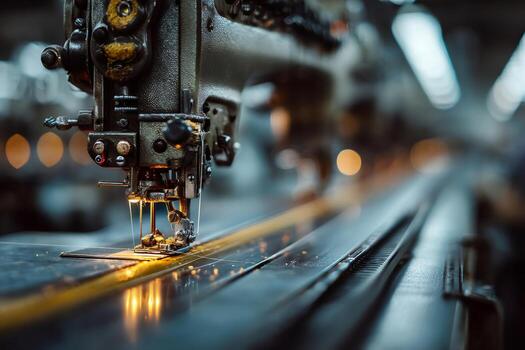
A critical metric in textile quality assurance is bursting strength, which measures the fabric’s resistance to multi-directional force. This is particularly important at the seam junctions of heavy garments. Industrial sewing machines are calibrated to use specific stitch-per-inch (SPI) counts to match the fabric’s density. For a heavyweight mens oversized hoodie, a higher SPI combined with reinforced overlock stitching ensures that the garment can withstand the mechanical stress of daily use and frequent industrial washing.
Engineers also look at “Elastic Recovery”—the ability of a fabric to return to its original length after being stretched. In high-quality fleece, the recovery rate should be above 95%. This is achieved through a controlled “Compacting” process during finishing, which mechanically pushes the fibers together to pre-shrink the material. This ensures that the final consumer product does not undergo significant size changes after the first few wash cycles, a common failure point in low-grade textile manufacturing.
Chemical Processing and Dye Molecular Bonding
The aesthetic longevity of a technical textile is as important as its physical strength. This is determined by the molecular bonding of dyes to the cellulose fibers. Reactive dyeing is the industry standard for high-density cotton, as it creates a covalent bond between the dye molecule and the fiber. This process requires precise control of pH levels and temperature during the dye bath.
In the UK manufacturing landscape, environmental regulations also dictate the type of chemicals used in the finishing process. Modern facilities utilize “Low-Liquor” dyeing machines that reduce water consumption while ensuring maximum dye penetration. This results in deep, saturated colors that resist fading (color fastness) and chemical degradation. For heavy-duty casual wear, this means the dark pigments remain stable even after exposure to UV radiation and harsh detergents.
Industrial Standardization and Compliance
As the global textile market evolves, compliance with international standards such as ISO 9001 and OEKO-TEX becomes mandatory for premium manufacturers. These standards ensure that every batch of fabric is tested for hazardous substances and mechanical consistency. The transition from traditional weaving to high-tech, precision-calibrated knitting has allowed for a level of quality control that was previously impossible.
The history of these industrial standards is a fascinating look into the evolution of global trade. From the early days of the industrial revolution to the automated factories of 2026, the way we measure and grade materials has shaped modern civilization. For a comprehensive academic resource on the historical development of these metrics, one can consult the records on Units of Textile Measurement on Wikipedia, which details the global shift toward standardized metric evaluations in the textile industry.


