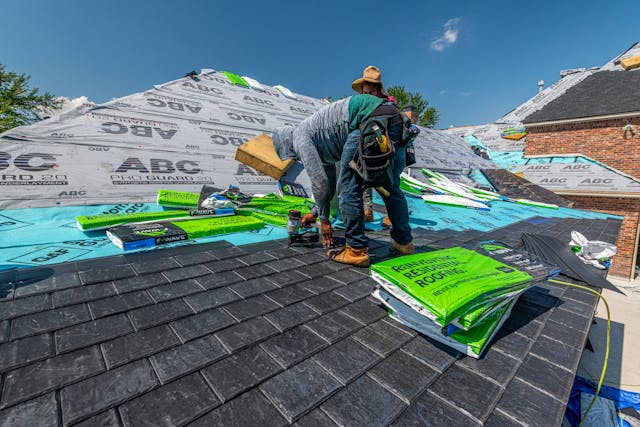
Owning a brownstone in Brooklyn comes with charm and history, but those beautiful roofs often hide problems. Leaks, sagging, and worn areas can start small but quickly spread, threatening interiors and increasing repair costs. Ignoring these signs leaves homeowners frustrated as water stains appear and structural issues develop. Understanding common Brownstone Roofing Brooklyn problems gives you the insight to stop damage before it grows, and working with skilled Brooklyn Roofers ensures the right approach to fixing leaks, reinforcing weak spots, and protecting your property. Many of these issues follow clear patterns that homeowners across Brooklyn face again and again. The sections below walk through the most common brownstone roofing problems, explaining how they start, why they worsen, and what makes them impossible to ignore.
1. Roof Leaks and Water Intrusion
Roof leaks are among the most frequent Brownstone Roofing Brooklyn problems homeowners encounter. A small drip can appear harmless at first, but over time, water can seep into ceilings, walls, and insulation, leading to structural stress and costly repairs. Moisture often infiltrates through worn flashings, cracked shingles, or aging membranes. Ignoring minor leaks not only damages interiors but also weakens the roof’s underlying framework. Understanding how leaks start and spreading early warning signs empowers homeowners to take swift action. Skilled Roofers identify the source of leaks, reinforce affected areas, and prevent further damage, protecting both your roof and the character of your brownstone.
2. Aging Roof Materials
Brownstone roofs in Brooklyn endure years of harsh weather, which gradually deteriorates shingles, tiles, and membranes. The consequences of aging materials include cracks, blistering, curling, and surface wear that compromise water resistance.
Neglecting aged roofs can result in water pooling, mold growth, and premature replacement needs. It’s crucial to inspect the roof periodically, paying attention to areas most exposed to sun, wind, and rain.
Skilled Brooklyn Roofers know which materials fail first and can recommend solutions that protect your investment without altering the brownstone’s aesthetic. Regular assessments extend the roof’s functional life, reduce emergency repairs, and maintain the home’s overall value.
Common Signs of Aging Roofs
- Shingles or tiles curling or cracking
- Discoloration or stains on surfaces
- Granules or debris in gutters
- Small leaks appear during storms
Proactive maintenance and timely repairs on aging roofs prevent minor issues from escalating into major structural concerns that are far costlier to resolve.
3. Poor Drainage and Water Pooling
Water pooling occurs when the roof’s drainage system is blocked or improperly pitched. This problem is highly common in Brownstone Roofing Brooklyn and can lead to leaks, rotting wood, and mold formation.
Clogged gutters, downspouts, or flat sections of the roof allow water to linger, intensifying material wear and compromising load-bearing areas. Homeowners often overlook minor puddles, assuming they will evaporate, but persistent moisture accelerates damage.
- Pooling water can seep into masonry and interior ceilings
- It encourages moss and algae growth on the roof surface
- Increases the likelihood of leaks during heavy rain
Brooklyn Roofers recommend adjusting slopes, clearing debris, and installing proper water channels to ensure fast drainage and prevent these recurring issues. Addressing pooling early preserves structural integrity and prevents costly water damage.
4. Cracked or Broken Flashings
Flashing protects the roof at joints, chimneys, and skylights, but cracks or gaps are frequent Brownstone Roofing Brooklyn problems. Damaged flashing allows water to penetrate the structure, often causing hidden leaks that worsen over time.
Even minor cracks can lead to interior stains, weakened insulation, and wood rot if left unattended. Roofers replace or reseal flashings, ensuring joints remain watertight while maintaining the home’s historic character.
- Inspect roof intersections regularly
- Replace worn or corroded flashings
- Seal gaps around chimneys and vents
Proper flashing maintenance reduces the risk of leaks and extends the life of roofing materials, keeping the brownstone structurally safe.
5. Ice Damming in Winter
Brooklyn winters can be harsh, and ice dams are a recurring concern on Brownstone Roofing Brooklyn properties. Ice buildup along eaves and gutters can force water under shingles, creating leaks and interior damage.
The weight of ice also stresses roof edges, potentially causing cracks or structural weakening. Homeowners may not notice early signs until interior ceilings show water marks.
Roofers employ preventative measures, including insulation checks, heat cable installation, and timely snow removal, to reduce the risk of ice dams and protect the roof through the winter season.
6. Moss and Algae Growth
Shaded or damp roof sections invite moss and algae, a common Brownstone Roofing Brooklyn problem. These organisms trap moisture against shingles or tiles, accelerating wear and increasing the risk of leaks.
- Surfaces appear green or black in patches
- Moisture retention softens materials and causes blistering
- Growth can block drainage systems and gutters
Roofers in Brooklyn recommend gentle cleaning, applying protective treatments, and monitoring shaded areas. Preventing moss and algae growth keeps roofs dry, structurally sound, and visually appealing.
7. Structural Sagging and Weak Spots
Sagging sections of a brownstone roof often indicate deeper structural issues. Common in older homes, this problem arises from water damage, material fatigue, or inadequate reinforcement.
Homeowners notice uneven rooflines, bouncing underfoot in accessible areas, or sagging eaves. If untreated, weak spots can fail under snow load or high winds, creating dangerous conditions.
Professional Roofers assess structural integrity, reinforce joists, and repair compromised decking. Maintaining strength prevents further damage and ensures safety for the occupants while preserving the brownstone’s architectural character.
8. Roof Ventilation Problems
Poor ventilation is a frequently overlooked Brownstone Roofing Brooklyn problem that can cause heat buildup, moisture accumulation, and accelerated material decay. Inadequate airflow in the attic traps humidity, encouraging mold and wood rot.
- Hot summers intensify shingle wear
- Winter moisture causes condensation and ice dams
- Interior air quality can deteriorate due to trapped humidity
Roofers improve airflow with ridge vents, soffit vents, and attic insulation adjustments. Proper ventilation safeguards roofing materials, extends lifespan, and maintains comfortable indoor conditions.
9. Chimney and Skylight Leaks
Chimneys and skylights are vulnerable points where water intrusion is common. Cracks in masonry, poorly sealed skylights, or deteriorating flashing allow water to penetrate, causing interior damage and potential mold growth.
Homeowners often notice stains around ceilings or unusual damp spots. Brooklyn Roofers inspect these areas, reseal joints, and replace failing materials. Early intervention ensures the roof remains watertight and prevents costly repairs.
10. Gutter and Downspout Failures
Blocked or damaged gutters are another common Brownstone Roofing Brooklyn problem. Water that cannot flow properly can back up, causing leaks, structural damage, and foundation issues.
- Gutters clogged with leaves or debris
- Rusted or detached downspouts
- Overflow causing wall stains and interior leaks
Brooklyn Roofers clear debris, repair channels, and ensure water is directed safely away from the property. Well-maintained gutters protect the roof and home structure from extensive water damage.
11. Shingle or Tile Loss
Loose, cracked, or missing shingles are frequent issues on Brownstone Roofing Brooklyn homes. High winds, storms, and aging materials can dislodge roofing elements, leaving the surface exposed.
Homeowners notice gaps, flapping shingles, or exposed underlayers, which compromise water resistance. Brooklyn Roofers replace missing shingles, secure tiles, and reinforce the roof to prevent leaks and maintain overall stability.
12. Improper Past Repairs
Many brownstone roofs suffer from previous repairs that were poorly executed. Substandard patching, mismatched materials, or improper sealing can cause recurring leaks and structural issues.
Brooklyn Roofers evaluate past work, remove ineffective fixes, and implement proper solutions that restore protection and align with the roof’s original design. Correcting past mistakes ensures long-term performance and prevents repeated problems.
Final Thoughts
Roofs are more than protection; they are the silent guardians of every brownstone’s legacy. Facing the common Brownstone Roofing Brooklyn problems head-on means you can prevent small issues from turning into costly emergencies and keep your home secure for years. From leaks and drainage challenges to aging materials and hidden weak spots, understanding these risks allows homeowners to act with confidence. Commercial Roofing Brooklyn combines experience, care, and practical solutions to ensure every roof remains strong, safe, and aligned with your home’s historic character.
Take control today, address concerns before they grow, and trust the experts to preserve your brownstone so it continues to stand resilient and worry-free.
Frequently Asked Questions (FAQs)
1. What are the most common Brownstone Roofing Brooklyn problems homeowners face?
The most frequent issues include leaks, cracked or missing shingles, poor drainage, ice dams, and aging materials. Early detection and regular inspections prevent serious damage.
2. How can Brooklyn Roofers help prevent roof leaks in brownstones?
Brooklyn Roofers can identify vulnerable spots, repair damaged areas, maintain proper drainage, and reinforce weak structures to stop leaks before they escalate.
3. How often should a brownstone roof in Brooklyn be inspected?
It’s recommended to inspect Brownstone Roofing Brooklyn at least twice a year, ideally in spring and fall, and after severe storms to catch problems early.
4. Can old roof materials be repaired instead of replaced in brownstones?
Yes, depending on the extent of wear. Skilled Brooklyn Roofers can patch or reinforce aged shingles and flashings to extend the roof’s life while preserving its historic look.
5. What signs indicate a Brooklyn brownstone needs immediate roof attention?
Visible leaks, sagging sections, pooling water, missing shingles, or interior water stains all signal urgent maintenance. Addressing these quickly prevents costly structural damage.