
Diamonds have long been a symbol of luxury, love, and lasting value. For many in Pakistan, purchasing a diamond is a significant milestone, whether for an engagement, an anniversary, or as a personal investment. However, understanding the factors that determine the price of these precious stones can be complex. The diamond rate in Pakistan is not a simple figure; it is influenced by a combination of global market forces and local economic conditions. This guide will help you understand what drives these prices and offer tips for making a wise purchase.
What Influences Diamond Prices?
The value of a diamond is determined by a globally recognized standard known as the “4Cs”: Carat, Cut, Color, and Clarity. Each of these elements plays a crucial role in the final price tag. Understanding them is the first step toward navigating the diamond market effectively.
Carat Weight
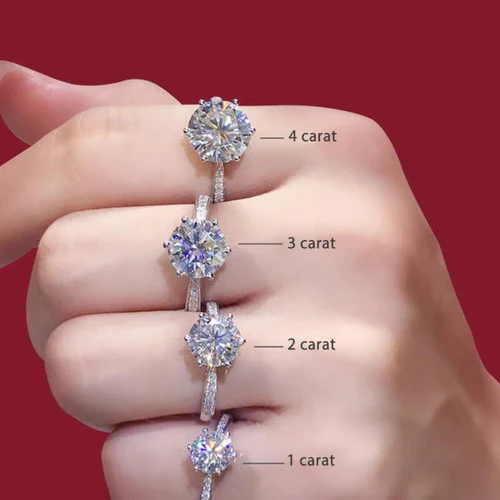
Carat is a unit of weight, not size. One carat is equal to 200 milligrams. Generally, the heavier the diamond, the more expensive it will be. However, the price does not increase proportionally. A single two-carat diamond is much rarer and more valuable than two separate one-carat diamonds of similar quality. This is because larger diamonds are found less frequently in nature. When you see a price list, the per-carat cost increases significantly as the weight goes up.
Cut Quality
The cut is arguably the most important factor in a diamond’s beauty and brilliance. It refers to how well a diamond’s facets interact with light. A well-cut diamond will direct more light through its top surface, creating the sparkle and fire that makes it so captivating. An expertly cut stone can make a diamond appear larger and hide certain imperfections. The quality of the cut depends on precision, artistry, and skill, which adds to the stone’s overall cost. Poorly cut diamonds can appear dull and lifeless, regardless of their color or clarity.
Color Grade
When it comes to white diamonds, value is often based on the absence of color. The industry uses a D-to-Z grading scale, where D represents a completely colorless diamond (the rarest and most expensive) and Z indicates a noticeable yellow or brown tint. While the differences between adjacent grades can be subtle to the naked eye, they can create a significant variance in price. Many buyers find value in near-colorless grades (G-J), which offer a beautiful appearance without the premium price of a D-grade stone.
Clarity Level
Clarity measures the absence of inclusions (internal flaws) and blemishes (external imperfections). These tiny imperfections are natural and often microscopic. The clarity scale ranges from Flawless (FL), where no inclusions or blemishes are visible under 10x magnification, to Included (I1, I2, I3), where imperfections are obvious to the naked eye. Diamonds with higher clarity grades are rarer and command higher prices. Many buyers opt for diamonds in the VS (Very Slightly Included) or SI (Slightly Included) ranges, as their imperfections are typically not visible without magnification.
Global and Local Factors Affecting the Diamond Rate in Pakistan
Beyond the 4Cs, several external factors influence the price you pay. The diamond rate in Pakistan is closely tied to the international market and domestic economic realities.
The International Diamond Market
Diamonds are a global commodity. Their prices are largely set by major international diamond trading hubs. Supply and demand on a worldwide scale dictate the base price for rough diamonds. When global demand is high, or when production from major mines decreases, prices tend to rise. The prices set by large international suppliers form the foundation for what retailers eventually charge.
Currency Exchange Rates
Since diamonds are priced in U.S. dollars on the international market, the exchange rate between the Pakistani Rupee (PKR) and the USD plays a vital role. When the Rupee weakens against the dollar, the cost of importing diamonds increases for local jewelers. This higher import cost is then passed on to the consumer, leading to a higher retail diamond rate in Pakistan. This is why you might see prices change even when global diamond values remain stable.
Import Duties and Taxes
The Pakistani government imposes import duties and other taxes on precious stones. These tariffs are added to the cost of the diamond before it even reaches the showroom. Any changes in government trade policy or tax structure can directly impact the final retail price. These costs are a standard part of the business and contribute to the overall price for the end buyer.
Current Market Trends
The diamond market is constantly evolving. In recent years, several trends have shaped how people buy and perceive diamonds. One significant trend is the growing demand for certified diamonds. Buyers are becoming more educated and want assurance of their diamond’s quality. Certificates from reputable gemological labs provide an unbiased assessment of the 4Cs, giving consumers confidence in their purchase. This trend has made the market more transparent, allowing for a more consistent diamond rate in Pakistan.
Another trend is the increasing popularity of unique shapes and cuts beyond the classic round brilliant. Shapes like oval, pear, and cushion are gaining traction, offering a distinctive look. While the round brilliant cut still commands a premium due to its unmatched sparkle and high demand, these “fancy” shapes can sometimes offer better value for a similar carat weight.
Tips for Buying a Diamond in Pakistan
Making a significant purchase like a diamond requires care and knowledge. Here are some practical tips to help you make an informed decision and get the best possible value.
- Set a Clear Budget: Before you start shopping, decide how much you are comfortable spending. This will help you narrow down your options and prevent you from overspending. Remember to account for the cost of the setting in addition to the diamond itself.
- Prioritize the 4Cs: Decide which of the 4Cs is most important to you. If you want the most sparkle, focus on the cut. If size is your priority, you might be willing to compromise slightly on color or clarity. Finding the right balance will help you maximize your budget.
- Always Ask for a Certificate: Insist on a grading report from a reputable gemological laboratory. This certificate is your proof of the diamond’s quality and is essential for verifying its characteristics. It ensures you are paying a fair diamond rate in Pakistan for what you are getting.
- Compare Prices: Don’t hesitate to visit multiple jewelers to compare their offerings and prices. This will give you a better sense of the current market and help you find a trustworthy retailer. A fair diamond rate in Pakistan should be relatively consistent among reputable sellers for a stone of similar quality.
- View the Diamond in Person: While online research is helpful, nothing replaces seeing a diamond in person. Different lighting conditions can affect its appearance. Viewing it firsthand allows you to assess its sparkle and overall beauty before making a final decision. The final diamond rate in Pakistan you pay should be for a stone that you find truly beautiful.
Conclusion
The journey to buying a diamond is an exciting one. By understanding the 4Cs, the influence of global markets, and local economic factors, you can approach the process with confidence. The diamond rate in Pakistan is a dynamic figure, but with the right knowledge, you can ensure you are making a valuable and beautiful investment. Do your research, set a budget, and always prioritize certified quality. This will help you find a diamond that you will cherish for a lifetime.

