Weather plays a major role in pest behavior, population growth, and infestation patterns. Many homeowners notice more ants in summer, rodents in winter, or mosquitoes after heavy rain, but few understand why these changes happen.
Pests are highly sensitive to temperature, humidity, and seasonal shifts. When weather conditions change, pests adapt quickly by moving indoors, reproducing faster, or searching for food and shelter. Understanding this connection helps homeowners stay proactive and reduce infestation risks throughout the year.
Why Pests Respond Quickly to Weather Changes
Pests rely on environmental conditions to survive. Temperature and moisture directly affect their breeding cycles, food availability, and movement patterns.
When outdoor conditions become uncomfortable, pests seek safer environments. Homes often provide warmth, water, and food, making them ideal shelters during extreme weather.
Sudden weather changes are especially disruptive. Heavy rain, heat waves, or cold snaps can force pests to relocate rapidly, increasing the chances of indoor infestations.
How Warm Weather Increases Pest Activity
Spring and summer bring ideal conditions for many pests. Warm temperatures speed up insect metabolism, allowing them to breed faster and expand their colonies.
Common warm-weather pests include:
- Ants searching for food and moisture
- Mosquitoes breeding in standing water
- Cockroaches thriving in humid environments
- Termites becoming more active in warm soil
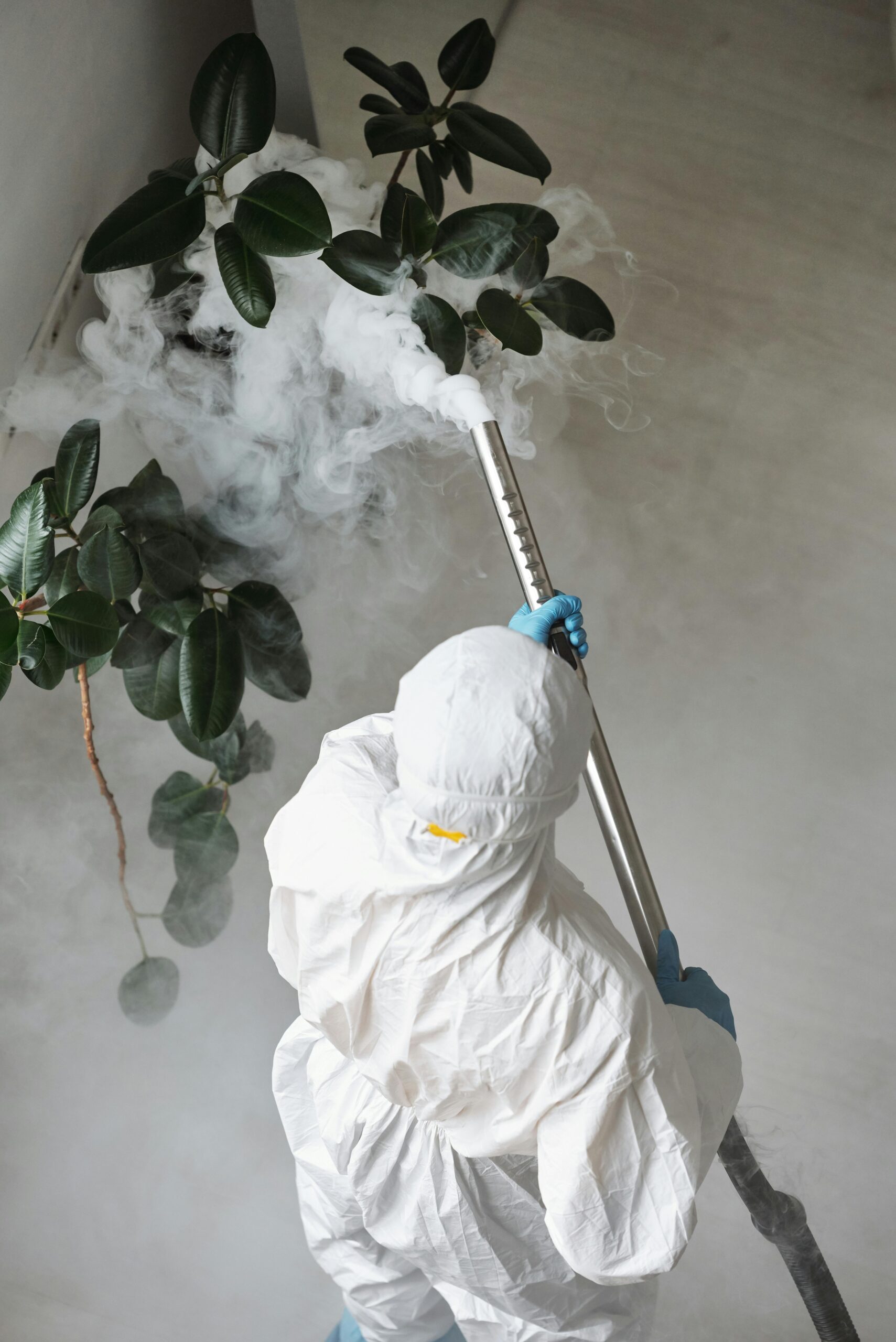
During these months, routine inspections and preventative care from professional pest control services can help stop small problems before they grow into serious infestations.
Cold Weather and Indoor Pest Invasions
As temperatures drop, many pests struggle to survive outdoors. This forces them to move indoors in search of warmth and shelter.
Rodents are especially active in fall and winter. Mice and rats enter homes through small gaps, garages, and crawl spaces. Once inside, they can damage wiring, contaminate food, and reproduce quickly.
Other pests like spiders and cockroaches may also seek indoor hiding spots, making colder seasons a common time for unexpected infestations.
The Impact of Rain and Humidity on Pest Behavior
Rain and high humidity create perfect conditions for many insects. Moist soil and standing water encourage breeding, especially for mosquitoes and termites.
Excess moisture can also weaken wood structures, making them more vulnerable to termite activity. Damp basements, crawl spaces, and leaky areas attract pests that thrive in humid environments.
Managing moisture and addressing drainage issues are key steps in reducing weather-related pest problems.
Seasonal Pest Patterns Homeowners Should Know
Each season brings its own pest challenges:
- Spring triggers increased insect reproduction
- Summer supports peak pest populations
- Fall drives pests indoors for shelter
- Winter concentrates pests inside structures
Ignoring these seasonal patterns can lead to surprise infestations. Homeowners who plan ahead are far more successful at keeping pests under control year-round.
Why Weather-Driven Pest Problems Are Often Overlooked
Many infestations appear sudden, but pests are usually responding to environmental pressure. Because weather changes happen gradually, homeowners may not connect the increase in pest activity to seasonal shifts.
By the time pests are visible, colonies may already be established. This is why consistent monitoring and targeted prevention strategies matter, especially during seasonal transitions.
Using seasonal pest prevention solutions helps address pest risks before weather changes push them indoors.
How Homeowners Can Stay Ahead of Weather-Related Pests
Simple steps can greatly reduce pest activity linked to weather:
- Seal cracks and entry points before temperature changes
- Reduce moisture around foundations
- Store food securely and eliminate clutter
- Schedule seasonal inspections
Being proactive is far more effective than reacting after pests settle in.
Conclusion: Weather Awareness Is Key to Pest Prevention
Weather changes directly influence when, where, and how pests invade homes. From summer insects to winter rodents, each season presents unique challenges that require timely action.
By understanding how weather affects pest behavior, homeowners can take preventative steps, protect their living spaces, and avoid costly infestations. Awareness, preparation, and early intervention remain the most effective ways to keep pests under control throughout the year.