
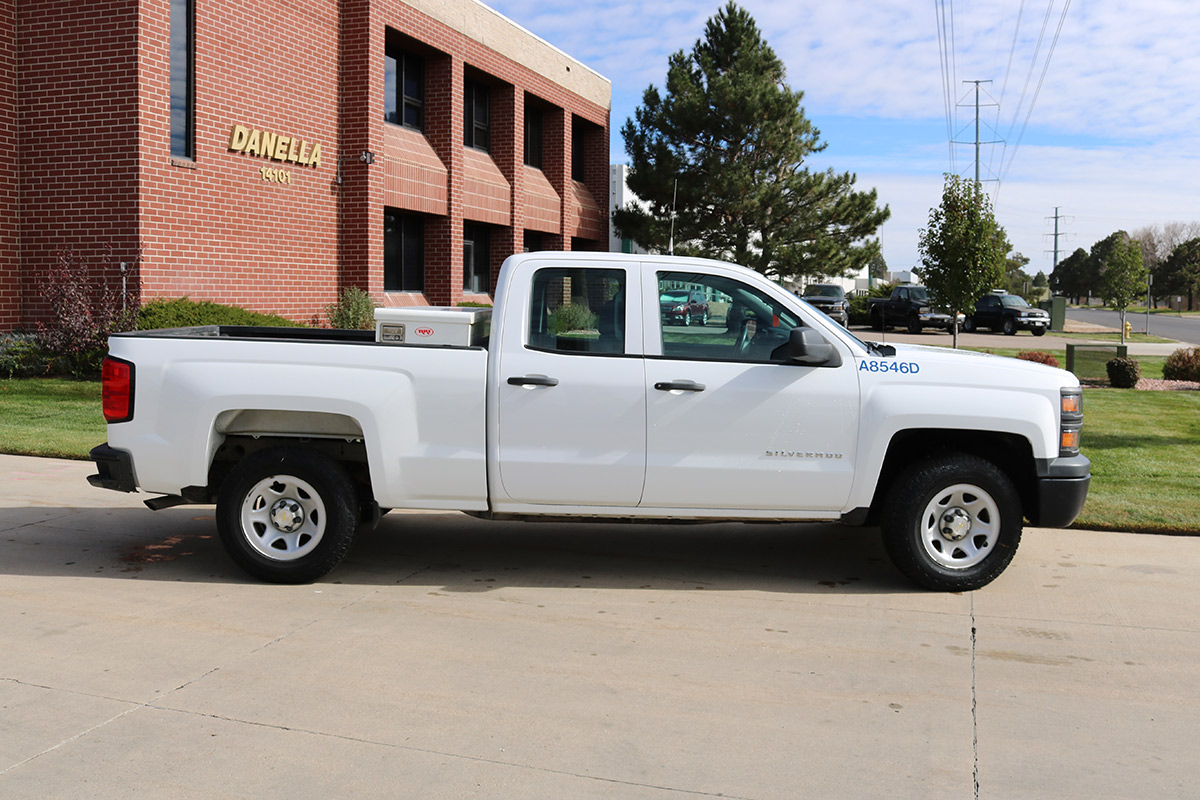
Renting a pickup truck can solve many transportation challenges. Whether you’re moving equipment, hauling materials, or tackling a weekend project, the right rental choice makes the job easier. This article explains how to choose between light‑duty and heavy‑duty pickup rentals. You’ll learn practical differences between options. You’ll also see when each type makes sense based on load, terrain, and budget.
In this guide, we also mention how truck rental companies structure their offerings. You’ll find clear factors to help you decide which pickup fits your needs.
What Light‑Duty and Heavy‑Duty Pickups Mean
Pickup rentals generally fall into two categories: light‑duty and heavy‑duty. The distinction affects capability, cost, and convenience.
Light‑duty pickups are smaller. They balance comfort, fuel economy, and cargo capacity. Heavy‑duty pickups are built for tough tasks. They handle large loads and heavy trailer towing.
Understanding these categories ensures you pick the right truck for your situation.
Light‑Duty Pickup Rentals: When They’re Best
Light‑duty pickups are ideal for everyday hauling. They deliver good fuel performance. They’re easier to park and drive in cities. They also cost less to rent than heavy‑duty models.
Typical Uses for Light‑Duty Pickups
Light‑duty rentals are best for:
- Home improvement projects. Moving lumber, appliances, or garden supplies.
- Small furniture moves. Ideal for one‑bedroom or two‑bedroom apartments.
- Recreational hauling. Carrying bikes, camping gear, or kayaks.
- Business errands. Delivering small equipment or goods.
These pickups suit loads under roughly 1,500–2,000 pounds. They usually offer towing capacity up to 7,000 pounds depending on configuration.
Advantages of Light‑Duty Rentals
Light pickups have several benefits:
- Lower rental cost. Base rates and fuel expenses stay manageable.
- Better fuel efficiency. Smaller engines consume less fuel.
- Easy handling. They feel more like a standard vehicle to drive.
If your job does not require maximum power or towing, light‑duty is likely your best value.
When Light‑Duty Isn’t Enough
Light pickups fall short when:
- The cargo exceeds their payload limit.
- You need to tow heavy trailers.
- Terrain is steep, soft, or rugged.
In such cases, a heavier class truck is more appropriate.
Heavy‑Duty Pickup Rentals: Power and Performance
Heavy‑duty pickups are built for demanding work. They have stronger frames, bigger engines, and higher towing and payload capacities. These trucks excel on construction sites, farms, and cross‑country hauls.
Typical Uses for Heavy‑Duty Pickups
Choose heavy‑duty rentals when your task involves:
- Large construction materials. Steel beams, concrete blocks, or landscaping rock.
- Heavy trailers. Horse trailers, equipment haulers, or large campers.
- Commercial deliveries. Repeated heavy loads or bulk items.
- Off‑road work. Farms, forests, and remote job sites.
Heavy‑duty trucks handle payloads above 2,000 pounds. Their towing capacities can exceed 15,000–20,000 pounds, depending on model.
Advantages of Heavy‑Duty Rentals
These pickups offer:
- Maximum strength. They resist strain under tough loads.
- High towing capacity. Ideal for trailers and large rigs.
- Durable components. Better suited for frequent heavy use.
For demanding jobs, heavy‑duty rentals help you work safely and avoid vehicle strain.
When Heavy‑Duty Is Overkill
Heavy‑duty trucks are not always the right choice:
- You’ll pay higher rental and fuel costs.
- Maneuvering may be harder in tight spaces.
- For light loads, the power is unnecessary.
Always match the truck to your actual load and terrain.
Comparing Light‑Duty vs. Heavy‑Duty Pickups
Below is a snapshot comparison to help you see differences at a glance.
| Feature | Light‑Duty Pickup | Heavy‑Duty Pickup |
| Payload Capacity | ~1,000–2,000+ lbs | ~2,000–4,000+ lbs |
| Towing Capacity | Up to ~7,000 lbs | Often 15,000 lbs or more |
| Fuel Economy | Better | Lower |
| Rental Cost | Lower | Higher |
| Best For | Small to moderate loads | Heavy hauling and towing |
| Ease of Driving | More comfortable | Larger, more robust |
This table should help you determine which class of pickup meets your needs.
Key Factors to Consider Before Renting
Choosing the right pickup rental is not just about size. Think about the following before booking.
1. Load Weight and Volume
Know your cargo weight. Estimate it conservatively. If you exceed a truck’s payload, you risk damage or fines.
2. Tow Requirements
If you plan to haul a trailer, check its weight. Match it to the truck’s towing rating. Under‑estimating towing needs is a common mistake.
3. Terrain and Environment
Smooth city roads differ from rugged sites. Heavy‑duty trucks perform better off‑road. Light‑duty trucks serve better in urban settings.
4. Duration and Cost
Longer rentals increase fuel and rental fees. Balance your budget with performance needs.
5. Driver Comfort and Skills
Larger vehicles require more skill. If you lack experience with heavy trucks, consider training or choose a lighter option.
How Rental Services Structure Their Fleet
When you approach rental providers, you’ll notice a range of pickup options. They classify vehicles based on capability and size.
Rental companies often list trucks as:
- Compact pickups
- Full‑size light‑duty
- Heavy‑duty single rear wheel
- Heavy‑duty dual rear wheel
This classification helps you compare trucks easily. It also clarifies pricing tiers.
To make the best choice, review the specifications of each truck offered. Pay attention to payload, wheel configuration, and engine type.
Insurance and Liability in Pickup Rentals
Insurance is an important part of any rental agreement. Before you drive off, review coverage options. You’ll want protection for:
- Damage to the rental truck
- Liability for third‑party injuries
- Cargo loss or damage
Some credit cards offer insurance benefits for rentals. Verify terms before relying on them. Better coverage reduces financial risk.
Practical Tips for Smooth Rental Experience
Follow these tips to avoid surprises.
- Measure your load. Know height, width, and weight before you arrive.
- Inspect the truck. Document dents, scratches, or mechanical issues.
- Check towing equipment. Ensure hitches and electrical connections work.
- Ask questions. Clarify fees for mileage, fuel, or late returns.
- Test drive. Familiarize yourself with the truck before leaving.
These steps save time and prevent disputes.
Summary
Choosing between light‑duty and heavy‑duty pickup rentals comes down to your workload. Light‑duty trucks handle everyday tasks. They are budget‑friendly and easier to drive. Heavy‑duty trucks support large loads and tough conditions.
Consider cargo weight, towing needs, terrain, cost, and comfort. Plan ahead. Review truck specs. This ensures your rental supports your project without overspending.
With the right pickup rental, you’ll complete your job efficiently and safely. Make your choice with confidence and clarity.

